- Car
- Locomobile
- Locomobile Model 48 (0 offers)
Locomobile Model 48 Classic Cars for Sale
The Locomobile Model 48 stands as a hallmark of American hand-built luxury from the early 20th century, revered for its custom craftsmanship, monumental six-cylinder engine, and opulent features specified for each owner. Rarity, engineering excellence, and bespoke detail define every surviving Model 48.
Search results
Currently, there are no matching listings for your search.
Create search alert
Let yourself be notified as soon as a listing is published that matches your search filters.
Create listing
Do you have a Locomobile Model 48 that you want to sell? Then create a listing now.
Create listingLocomobile Model 48 listing references from Classic Trader
Below you will find listings related to your search that are no longer available on Classic Trader. Use this information to gain insight into availability, value trends, and current pricing for a "Locomobile Model 48" to make a more informed purchasing decision.
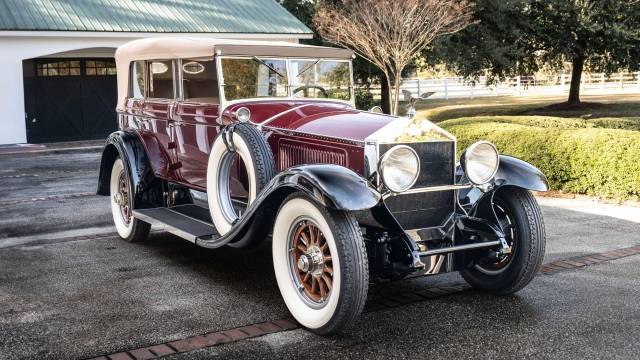
1925 | Locomobile Model 48
1925 Locomobile Model 48 Derham Convertible Sedan, OFFERED WITHOUT RESERVE
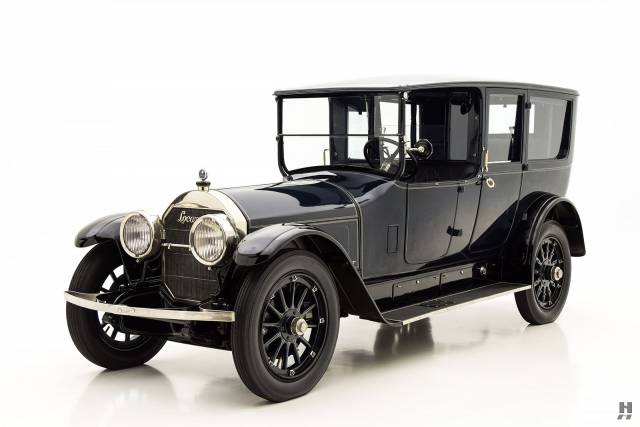
1924 | Locomobile Model 48
Locomobile Model 48
Create search alert
Let yourself be notified as soon as a listing is published that matches your search filters.
Create listing
Do you have a Locomobile Model 48 that you want to sell? Then create a listing now.
Create listingLocomobile Model 48 Classic Cars: Prices & Market Values
History of the Locomobile Model 48
The Locomobile Model 48 debuted in 1911, marking a pinnacle of early American luxury motoring and held its place until 1925. Locomobile, renowned for uncompromising craftsmanship, targeted the highest echelons of wealth, delivering cars to industrialists like Carnegie and Vanderbilt. Known as 'The Best Built Car in America,' each vehicle embodied meticulous attention to mechanical robustness and refined luxury, qualities that have lent the few surviving examples continued prestige at major concours events.
Model History
Locomobile's Model 48 represented the company’s most enduring and successful series, retaining its basic architecture for over a decade. After production ended, the Model 90 inherited much of its technical foundation. The Model 48 replaced earlier, smaller offerings and, with its sophisticated engineering, set a new benchmark for luxury automobiles in the United States. Variants included a range of factory and custom bodies, from limousine to convertible sedan or phaeton, built in collaboration with renowned Connecticut coachbuilders.
Highlights of the Locomobile Model 48
Every Locomobile Model 48 featured a 7.0-litre inline six-cylinder engine, with taxed horsepower initially stated as 48 and later reaching actual outputs of around 107 hp during the 1920s. The chassis incorporated chromenickel steel, leaf springs of high-quality alloy, and employed exclusive bronze-alloy crankcases and carburettors. Interior appointments included bespoke leather upholstery, a comprehensive Waltham instrument cluster, and lavish comfort elements such as silk roller blinds and intercoms. The car’s prestigious image was further underlined with polished nickel-plated details and the option for elaborate monograms and custom trim.
Technical Data
Special Editions and Collectible Models
While every Locomobile Model 48 was tailored to customer preferences, especially those requesting unique bodies or interior accommodations, there were no officially named limited editions. Noteworthy, however, are custom orders that featured enhanced luxury touches—Rolls-Royce-style bonnets, exclusive paintwork, and custom embroidery. Several one-off limousines and phaetons were built to individual commission and may be considered especially collectible for their provenance and unique features.
Weak Spots and Common Issues
Period sources emphasise the Model 48’s exceptional longevity and mechanical strength, credited to its pioneering use of advanced alloys and high manufacturing standards. However, due to the high intrinsic value of its bronze and alloy components, many cars were scrapped for materials, explaining the rarity today. Original parts are now extremely scarce, making restoration challenging and parts sourcing a specialist concern.
Engine and Performance, Transmission and Handling
The 7.0-litre six-cylinder (T-head) provides remarkable smoothness and considerable torque, with actual output peaking around 107 hp in the early 1920s. The powertrain’s refinement was echoed in extremely silent running and a sense of robustness even by chauffeur-driven standards. Handling is stable for its scale, aided by the extra-long wheelbase and advanced metallurgy in suspension components. The car was frequently chosen as a chauffeur-driven limousine but also offered as a phaeton or convertible—maintaining comfort and performance regardless of configuration. Notable body variants included the chauffeur limousine (with open driver compartment in black leather), Landaulet, Phaeton, Cabriolet, and Convertible Sedan, all typically featuring bespoke interiors, walnut-trim dashboards, and advanced period instrumentation.
Interior, Comfort, Exterior and Design
The Model 48’s construction placed a premium on tailor-made appointments, especially in the rear passenger compartment: fully enclosed, insulated, and rich with thick fabrics, high-grade carpets, vases, grab handles, triple glass division, and jump seats. Exterior elements were meticulously executed, including polished nickel bumpers and radiator surrounds, wood-spoked wheels, and period-appropriate spare tire mountings. Many examples boasted custom monograms, special lines, or even Rolls-Royce-inspired hoods. Instrument panel assemblies often featured signature Locomobile trademarks, including numbered chassis sills and Westinghouse-branded auxiliary gauges.
Other Noteworthy Features
No external coachbuilder plaque was present when the body was constructed outside the company’s own workshop—a rare stance for the period. Standard accessories ranged from intercoms to the driver, elaborate lighting fixtures at the running boards, and a host of optional security and comfort items. Many details were specified to the customer’s wishes, resulting in a high degree of individuality among surviving cars.
Summary
The Locomobile Model 48 epitomises the extraordinary standards of American luxury car manufacturing in the early 20th century. With its monumental engine, exceptional materials, hand-finished interiors, and stark rarity, the Model 48 remains a significant reference point for collectors and historians. Surviving examples command respect for their historical, technical and aesthetic achievements.