- Car
- Locomobile
- Locomobile Model 30 (0 offers)
Locomobile Model 30 Classic Car for Sale
The Locomobile Model 30 stands out as a meticulously crafted classic from the Brass Era, with premium build quality, innovative technical features for its time, and a strong reputation among enthusiasts for its reliability and event suitability.
Search results
Currently, there are no matching listings for your search.
Create search alert
Let yourself be notified as soon as a listing is published that matches your search filters.
Create listing
Do you have a Locomobile Model 30 that you want to sell? Then create a listing now.
Create listingLocomobile Model 30 listing references from Classic Trader
Below you will find listings related to your search that are no longer available on Classic Trader. Use this information to gain insight into availability, value trends, and current pricing for a "Locomobile Model 30" to make a more informed purchasing decision.
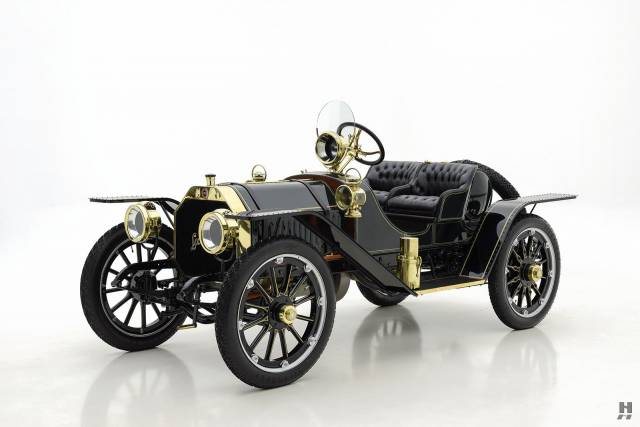
1911 | Locomobile Model 30 L
Locomobile Model 30
Create search alert
Let yourself be notified as soon as a listing is published that matches your search filters.
Create listing
Do you have a Locomobile Model 30 that you want to sell? Then create a listing now.
Create listingLocomobile Model 30 Classic Cars: Prices & Market Values
Introduction and History of Locomobile Model 30
Locomobile began as a producer of steam-powered cars, transitioning in 1905 to petrol-driven automobiles in Bridgeport, Connecticut. Known for luxury and precision engineering, Locomobile limited production to maintain exclusivity, making just four vehicles daily. The Model 30, introduced in 1908 as the Model 30-L and later simplified in name, marked a shift towards lighter, nimbler four-cylinder cars targeting a broader yet still discerning clientele. The Model 30 brought together advanced mechanical solutions, drawing inspiration from European competitors, and catered to a demanding market alongside Packard, Peerless, and Pierce.
Model History
The Model 30 succeeded earlier, larger Locomobiles and established itself as the brand's core offering between 1908 and the early 1910s. With the arrival of the much larger six-cylinder Model 48 in 1911, the Model 30 continued as a well-received medium-sized option, praised for its robust T-head engine, reliability, and attractive body styles. The Model 30's design incorporated lessons from European competitors such as Panhard. Its run cemented Locomobile’s reputation for quality and innovation before Locomobile ultimately ceased operations.
Highlights and Unique Features
The Locomobile Model 30 is notable for several technical and design advances rare for its era. Its 286 cubic inch T-head four-cylinder engine, although rated at 30 hp, was closer to 40 hp in reality, delivering strong and smooth performance. The mid-mounted gearbox was an innovation taken from contemporary Panhards, providing balanced weight distribution and refined shifting. Other details, such as the cardan (driveshaft) rear axle—contrasting with the chain-driven layouts on larger Locomobiles—gave the Model 30 smoother operation and reduced maintenance. Distinct features like black lacquered wooden artillery wheels, Firestone Non-Skid tyres, Jones tachometer, Dewrance pressure gauge, and lavish brass trim (lights, windshield, caps) highlight Locomobile’s signature 'Brass Era' luxury. The Model 30 commonly appeared with minimalist Speedster bodies and premium interiors featuring buttoned black leather.
Technical Data
Special Editions and Collectible Models
Within the Model 30 range, Speedster variants with their minimalist, lightweight bodies are particularly recognised and sought after. These configurations often featured unique brasswork, linoleum flooring edged in brass, and pared-down cigar-shaped designs suited for competition or spirited touring. While not formally marketed as limited editions, individuality in bodywork and trim is common due to semi-custom coachwork practices of the era.
Weak Spots and Common Issues
There is no documented list of typical issues for the Model 30, but given the brass and early steel construction as well as the exposed mechanicals, collectors should scrutinise brass components for cracks or fatigue, check for proper function and maintenance of the period ignition systems (Bosch coil/magneto arrangements), and verify the integrity of wooden wheels and linoleum floors. Regular lubrication and vigilance for oil leaks from vintage seals are prudent. Given the high quality workmanship and robust mechanicals, most weaknesses stem from age-related wear and inadequate prior maintenance rather than design flaws.
Engine and Performance, Transmission and Handling
The Model 30's T-head four produces surprisingly lively power and features square bore and stroke for smooth, rev-happy performance by early 20th-century standards. The central transmission allows well-balanced weight distribution and a cooperative shift pattern, rare for its time. The cardan-driven rear axle ensures minimal maintenance and gentle road manners compared to chain drive contemporaries. Rides on period-correct Firestone Non-Skid tyres; suspension and rolling chassis provide a compliant and relatively stable experience for a car from the Brass Era. Highlight: Model 30 Speedster—standout for its lightweight body, performance focus, and suitability for Brass Era rallies. Also notable are well-preserved touring and runabout bodies.
Interior, Comfort, Exterior and Design
Locomobile placed great emphasis on design refinement. Interiors featured hand-finished black button leather and proper period switchgear with etched brass nameplates and patent markers. Dashboards could include original Jones tachometers and Dewrance pressure gauges, all set into wooden panels. Exteriors showcased handstriped artillery wheels, heavily utilised brass (headlamps, windshield frames, fuel fillers). Flooring was finished in bare linoleum with brass edge trim. Minimalist Speedster configurations emphasised an aggressive, pared-down character. Custom coachwork afforded considerable variety in fit, finish, and trim, though all adhered to Locomobile's high standards.
Other Relevant Features
Model 30s often carry track event plaques or period club badges, a nod to their active use in historic rallies and gatherings. Surviving cars may feature club documentation and original accessories, such as toolkits or brass Klaxon horns. The overall build quality and attention to detail remain a defining attribute, supporting the Model 30’s strong reputation among classic car collectors.
Summary
The Locomobile Model 30 represents a distinct chapter in early American automobile development—marrying advanced mechanical design, luxury materials, and old-school craftsmanship with distinctive Speedster and touring body options. Combining scarcity with reliability and locational authenticity, surviving examples of the Model 30 easily command attention at events and are held in high regard by Brass Era and American classic enthusiasts.