Lincoln Model L classic cars for sale
The Lincoln Model L, produced between 1921 and 1930, launched Lincoln’s tradition of luxurious, meticulously engineered vehicles. Distinguished by bespoke coachbuilt bodies and an advanced V8 engine for its era, the Model L was favoured for its exceptional build quality and customisation. Today, it remains a hallmark of craftsmanship and period luxury.
Search results
Currently, there are no matching listings for your search.
Create search alert
Let yourself be notified as soon as a listing is published that matches your search filters.
Create listing
Do you have a Lincoln Model L that you want to sell? Then create a listing now.
Create listingLincoln Model L listing references from Classic Trader
Below you will find listings related to your search that are no longer available on Classic Trader. Use this information to gain insight into availability, value trends, and current pricing for a "Lincoln Model L" to make a more informed purchasing decision.
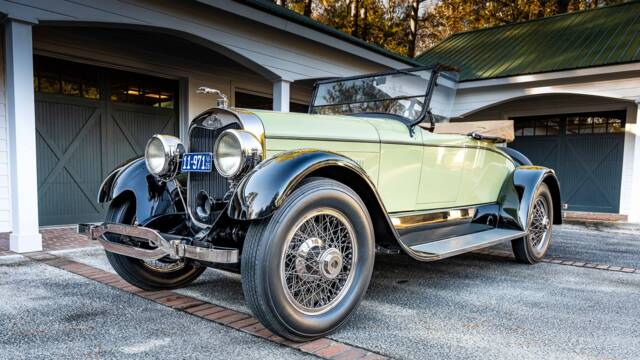
1925 | Lincoln Model L
1926 Lincoln Model L Brunn "Beetle Back" Roadster, OFFERED WITHOUT RESERVE

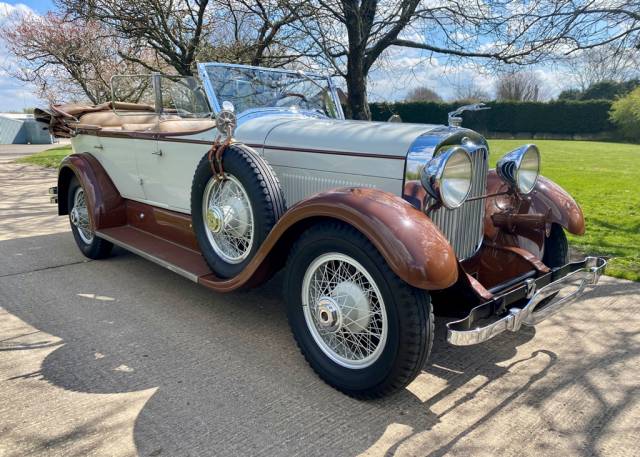
1928 | Lincoln Model L
Lincoln Model L Tourer by Locke
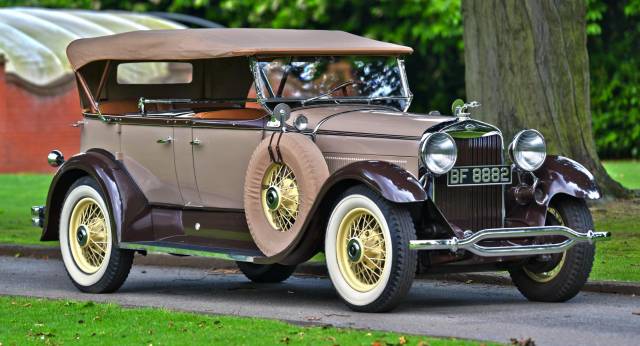
1930 | Lincoln Model L
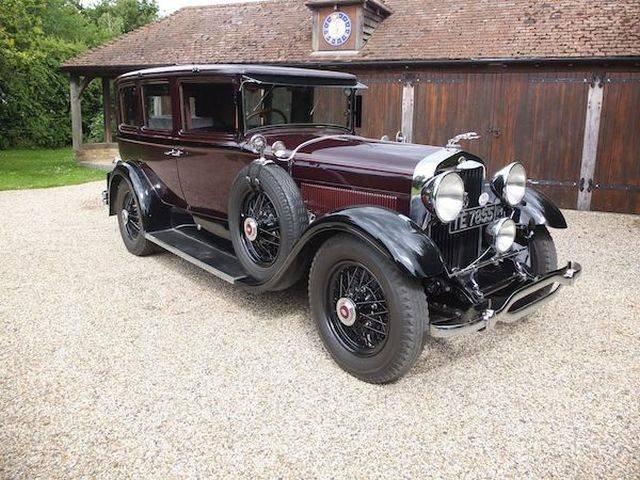
1929 | Lincoln Model L
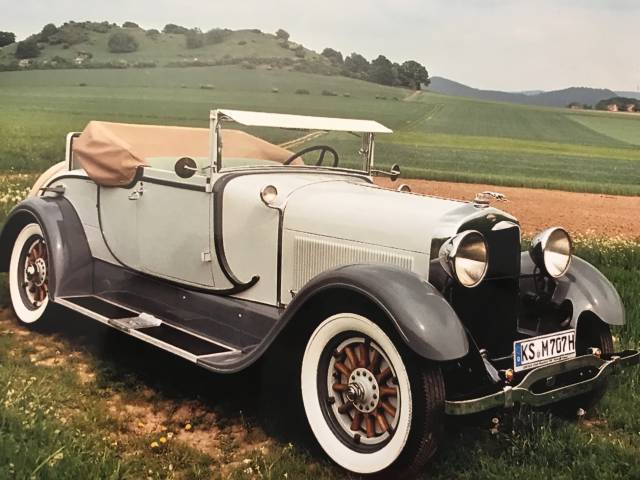
1929 | Lincoln Model L
Lincoln 165 Club Roadster

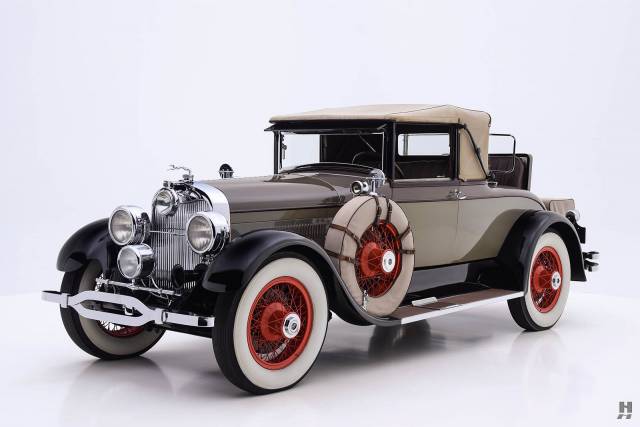
1925 | Lincoln Model L
Lincoln Model L
Create search alert
Let yourself be notified as soon as a listing is published that matches your search filters.
Create listing
Do you have a Lincoln Model L that you want to sell? Then create a listing now.
Create listingLincoln Model L Classic Cars: Prices & Market Values
History of the Lincoln Model L
Introduced in 1921, the Lincoln Model L was the first automobile from the Lincoln Motor Company, an enterprise founded by Henry M. Leland, whose earlier work with Cadillac shaped his pursuit of mechanical precision. Originally, Lincoln produced aircraft engines for World War I before transitioning to car manufacturing in Detroit. The Model L entered the market during a challenging economic period following the war, with production influenced by the demand for robust, sophisticated vehicles. In 1922, Lincoln was acquired by Henry Ford after financial setbacks, and Edsel Ford, Henry’s son, spearheaded the brand’s move into high-end, stylistically ambitious motoring. With production stopping in 1930, 65,120 Model L units had been built, an impressive figure for the time.
Model History
The Lincoln Model L had no direct Lincoln-branded predecessor, as it inaugurated Lincoln’s automotive lineage. Once part of Ford, the Model L was reimagined with mechanical upgrades and aesthetic refinements. The vehicle was available in a remarkable variety of factory and custom coachbuilt bodies, designed by esteemed names such as LeBaron, Fleetwood, Judkins and Brunn & Company. The Model L’s run ended in 1930, succeeded by the Model K, which carried forward Lincoln’s emphasis on power, grace and custom luxury.
Highlights of the Lincoln Model L
One of the chief distinctions of the Lincoln Model L was its vast range of coachwork, encompassing opulent limousines, elegant coupes, and sporty roadster variants. Coachbuilders tailored bodies to client desires, with particularly rare examples created by Brunn & Company—including just six ‘Beetle Back’ Roadsters, of which three survive. The 1929 sport phaeton, with dual-cowl design by Locke, elevated passenger comfort with a separate windscreen for rear-seat occupants. Features such as nickel-plated radiator grilles, greyhound mascot figures, leather ‘rumble seats’ and dual spare wheels epitomised period luxury. The model was promoted as a sophisticated alternative to the more utilitarian cars offered by Ford and others, targeting demanding clientele who valued exclusivity, mechanical substance, and craftsmanship. Vehicles with matching chassis and engine numbers and known ownership history are highly regarded among enthusiasts.
Technical data of the Lincoln Model L
Special Editions and Collectible Models
A number of specialist variants and limited-run bodies defined the Model L’s collectability. Chief among them are the ‘Beetle Back’ Roadsters by Brunn & Company, with only six built and just three known to exist. The 1929 Model L 163B ‘dual-cowl sport phaeton’ remains another collector’s jewel, with only 58 cars manufactured. Special bodywork, rare accessories (such as rumble seats and mascot figures), and verified original examples with matching numbers are especially prized in concours events and historic exhibitions.
Weak Spots and Common Issues
While no major systemic weaknesses are documented for the Lincoln Model L, prospective buyers should focus on authenticity (matching chassis and engine numbers), the condition of bespoke coachwork, and phased changes in mechanicals (brakes, shock absorbers). Restoration histories and originality are essential for value retention. As with all luxury cars from the era, correct period components and authentic restoration practices influence desirability. No recurring factory weakness is noted, but inspection of mechanical linkages, wood framing under body panels, and the condition of early hydraulic or mechanical brake systems is recommended.
Engine and Performance, Transmission and Handling
The Model L delivered a refined driving experience for its day, largely attributed to the smooth-running V8 with up to 90 bhp and robust low-end torque. The three-speed manual transmission paired with hydraulic shock absorbers (post-1922) offered tangible progress over contemporary rivals in road comfort and stability. Mechanical brakes on all four wheels greatly improved stopping capability from 1924 onwards. Body style and wheelbase variations meant that handling and comfort could differ—roadsters and phaetons were notably lighter and more spirited, while limousines focused on silent running and comfort. Notable variations include the 1929 'dual-cowl sport phaeton' and the Brunn & Company 'Beetle Back' Roadster. Both are recognised for unique styling and rarity, with technical details (e.g., dual windshields, swept boattail rear, pronounced slope to the windscreen) making them standouts among classic cars from the late 1920s.
Interior, Comfort, Exterior and Design
Design responsibilities fell to Angus Woodbridge, whose background in fashion informed both the precise, elegantly restrained exteriors and luxurious interiors. Model Ls were offered in coupé, limousine and roadster forms, typically with coachbuilt customisation. Hallmarks included expansive, curved panels, prominent headlamps, and nickel-plated trim. Interior materials showcased artisanal leatherwork, spacious seating and exposed stitching—every feature reflecting high build standards. During its production run, the model introduced bespoke options: leather covered rumble seats, dual spare wheels, greyhound mascot radiator caps, and after 1929, dual windscreen equipment for some phaetons. Under Edsel Ford, Lincoln design adopted clean lines, subtle chromework, and tailored elegance as leading principles.
Other relevant features
Distinctive features such as the absence of cowl lights (after initial series), the adoption of completely nickel-plated radiators from 1924, and period-correct restoration histories distinguish Model Ls on show fields. Many surviving cars hold substantial documentation of restoration and ownership. The Model L is a common sight at Concours d’Elegance and historical gatherings, chosen for its blend of American mechanical engineering and artisan bodywork. Custom accessories, matching numbers and known provenance underpin desirability.
Summary
The Lincoln Model L stands as a showcase of 1920s American luxury engineering and bespoke coachwork. Built between 1921 and 1930, the Model L introduced advanced mechanical features, renowned V8 performance, and exceptional custom body styles crafted by top US coachbuilders. Its prominence in classic car circles endures thanks to high build quality, engineering integrity and the unique stories attached to individually crafted vehicles. In the collector market, rarity and provenance add significant value—especially for special-bodied variants and unrestored originals with matching numbers.