Lincoln Capri Classic Cars for Sale
The Lincoln Capri, produced from 1952 to 1959, is the epitome of postwar American luxury and engineering ambition. Available as a saloon, coupe and cabriolet, it excelled with monumental dimensions, burly V8 engines, and abundant chrome. Buyers will find a truly distinctive classic, both visually and mechanically, tailored for the broad American roads of its heyday.
Search results
Currently, there are no matching listings for your search.
Create search alert
Let yourself be notified as soon as a listing is published that matches your search filters.
Create listing
Do you have a Lincoln Capri that you want to sell? Then create a listing now.
Create listingLincoln Capri listing references from Classic Trader
Below you will find listings related to your search that are no longer available on Classic Trader. Use this information to gain insight into availability, value trends, and current pricing for a "Lincoln Capri" to make a more informed purchasing decision.
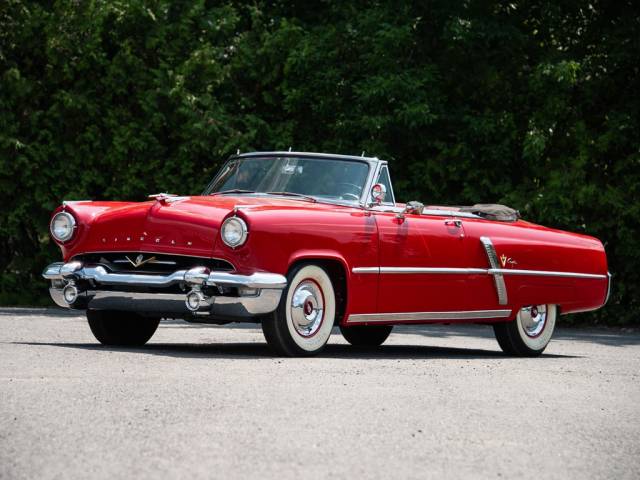
1953 | Lincoln Capri
1953 Lincoln Capri Convertible

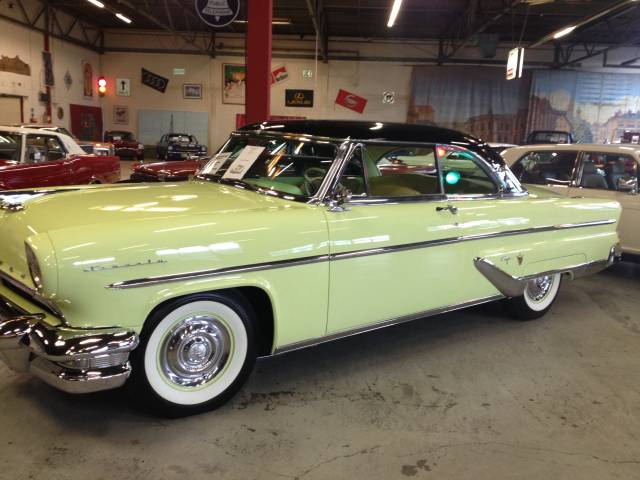
1955 | Lincoln Capri
Coupe

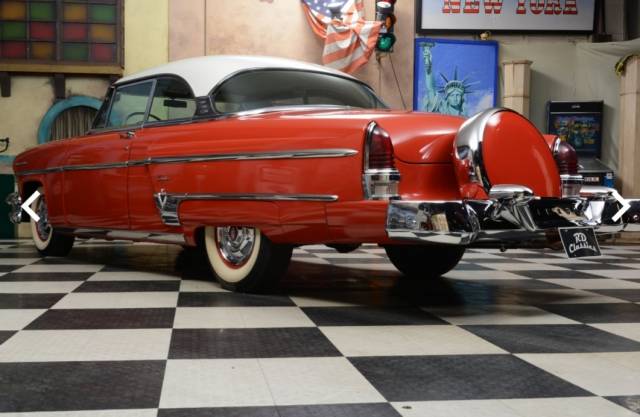
1954 | Lincoln Capri Hardtop Coupe
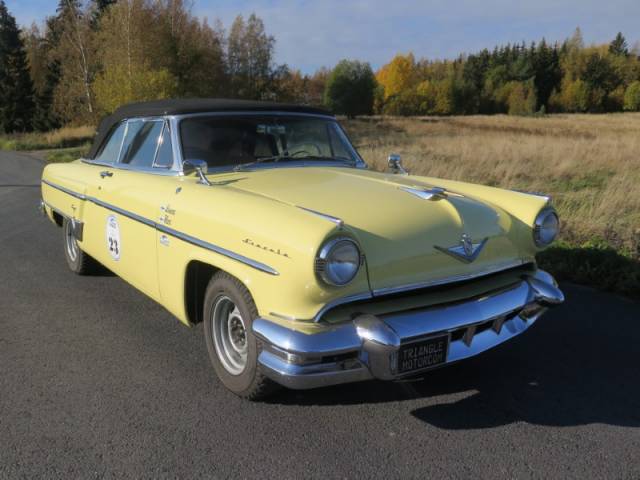
1954 | Lincoln Capri
Long Distance Historic and Endurance Racer

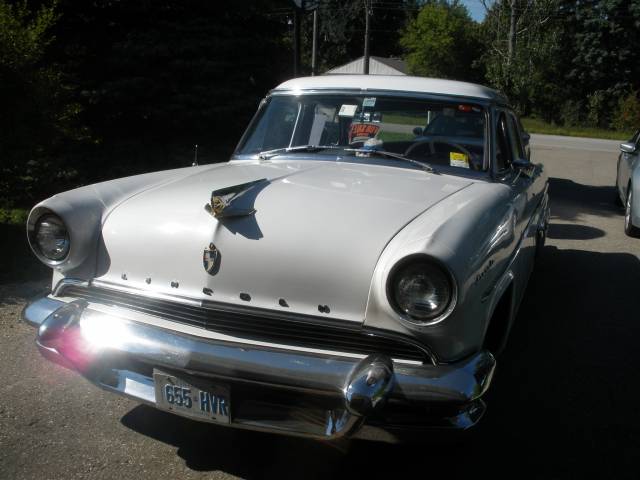
1955 | Lincoln Capri
Create search alert
Let yourself be notified as soon as a listing is published that matches your search filters.
Create listing
Do you have a Lincoln Capri that you want to sell? Then create a listing now.
Create listingLincoln Capri Classic Cars: Prices & Market Values
History of the Lincoln Capri
Lincoln, as Ford's luxury arm, introduced the Capri in 1952 as the pinnacle of its lineup, a vehicle symbolising American prosperity of the 1950s. Initially an upmarket version of the Cosmopolitan, the Capri soon became its own model line, available as a four-door saloon, two-door hardtop coupe or cabriolet. Its enormous size, V8 powerplant, and lavish finish set it apart from European competitors. By 1956, the Capri underwent major redesigns, reflecting then-futuristic design cues inspired by concept cars. A larger V8 and power features like power steering became standard. In 1958, the Capri grew even bigger, sporting panoramic windscreens and massive engines, peaking at 7046cc and up to 276 kW. In its final production year, 1959, it received a mild size reduction before the Continental Mark V took its place in 1960. The Capri regularly competed against the Cadillac Series 62, Packard Patrician, and Chrysler New Yorker, all vying for the American luxury car crown.
Model Series Evolution
The Capri debuted in 1952 as Lincoln's most exclusive offering, branching off from the Cosmopolitan. Across the three generations, production moved from near-identical styling with the Cosmopolitan (1952–1955) to a unique, streamlined identity from 1956 onward. The Capri initially offered all three body styles, but the cabriolet was dropped after 1955. The 1956 facelift introduced a squarer, concept-inspired body. In 1957, tail fins arrived, and the four-door hardtop was introduced, bringing the Capri visually in line with the jet-age aesthetic. The 1958–1959 models introduced a new unibody chassis at the Wixom plant, with even greater size and cabin width. The Capri was ultimately replaced by the Continental Mark V from 1960, cementing its place as the last of the truly immense, chrome-rich Lincolns.
Notable Features and Market Position
The Lincoln Capri stands out for its oversized V8 engines, power-assisted creature comforts, dramatic chrome details and a selection of striking two-tone paint jobs paired with coordinated interiors. Key features included: power steering and brakes (standard from 1956), electric seat adjustment, AM radio, elaborate chrome trim and unique rocker panels, plus whitewall tyres. The Coupe and Cabriolet often came with rare colour combinations and extensive comfort options. The Capri played a leading role in period advertisements, music and fashion photoshoots, thanks to its sheer size and expressive looks. According to Classic Trader statistics, approximately 87.5% of all current Lincoln listings are Capris, reflecting their lasting presence among enthusiasts. Demand is even higher: 91.4% of listing views for Lincolns are Capri entries, showing continued strong interest well above the average for this make and model series.
Technical Data
Special Editions and Variants
Among Capri variants, the 1953 Capri Cabriolet is especially sought after, with just 2,272 units built, making it one of the rarest configurations. Later years saw special paint combinations and limited-option packages, though the Capri was not a platform for true factory limited editions.
Weak Spots and Known Issues
No data on common faults is currently available for the Lincoln Capri. However, as with many 1950s American luxury cars, buyers should inspect for corrosion in the sills and undercarriage, check the function of original power accessories, and assess the condition of chrome and interior trim, all of which can be costly to restore due to rarity.
Performance, Engine and Handling
The Capri’s power came from a succession of robust V8 engines. Early versions (1952–1955) used a 5.2L or 5.6L V8 generating up to 228 PS (168 kW), while later cars boasted up to 221 kW by the late 1950s. Top-of-the-range 1958 Capris utilised a 7.0L V8, producing 276 kW (375 hp), paired with a Holley four-barrel carburettor for brisk straight-line performance. Acceleration figures from period tests show the Capri could reach 97 km/h (60 mph) in just under 15 seconds—solid for such a large car. Automatic transmissions (Turbo Drive 3-speed or Hydra-Matic 4-speed) became standard later. Ride comfort dominated the setup, with soft suspension well-suited for straight highways rather than twisty European roads. - 1953 Capri Cabriolet: 2,272 built, sought after for open-air style
- 1958–59 Capri: 7.0L V8, panoramic glass and unibody construction
Design, Interior and Extras
The Capri displayed classic 1950s American styling—prolific chrome, dramatic tail fins (from 1957), and wrap-around windshields (later models). Two- or three-tone exterior colour schemes were frequently matched to the interior upholstery. Electric seat adjusters, power steering and brakes, factory radios, and optional heating were all available. John Najjar led the design of the final series, ensuring a spacious interior, with the widest shoulder space in the class at the time. Accent pieces included elaborate side chrome, bespoke wheel covers and rear fender skirts. Wheel arch enamelling, multi-tone leather and specific period accessories round off the distinctive look.
Other Notable Features
Higher trim Capris in the US market often included rare accessories—dealer-fit Autronic Eye automatic headlight dims, factory defrosters, and colour-matched carpets. Technically, the late Capri’s 12V electrics and new monocoque platform (from 1958) were noteworthy innovations in the luxury segment of the era.
Summary
The Lincoln Capri, produced from 1952 to 1959, encapsulates the American automotive ambition and taste of its era: imposing size, a succession of remarkable V8s, and a focus on driver comfort and stylistic flair. Whether as a coupe, saloon or rare cabriolet, it continues to represent American luxury engineering for classic car enthusiasts, holding a major share of both collector interest and available vehicles in today's classic car market.