LDV Convoy classic vehicles for sale
The LDV Convoy stands for practicality and uncompromising robustness in the world of light commercial vehicles. Whether as a minibus with 17 seats or converted into a camper, the Convoy’s strengths are its spacious interior, reliability and versatility. Buyers benefit from options such as the sought-after Turbo-Intercooler and robust safety features, making it a popular choice for those seeking a functional classic van.
Search results
Currently, there are no matching listings for your search.
Create search alert
Let yourself be notified as soon as a listing is published that matches your search filters.
Create listing
Do you have a LDV Convoy that you want to sell? Then create a listing now.
Create listingLDV Convoy listing references from Classic Trader
Below you will find listings related to your search that are no longer available on Classic Trader. Use this information to gain insight into availability, value trends, and current pricing for a "LDV Convoy" to make a more informed purchasing decision.
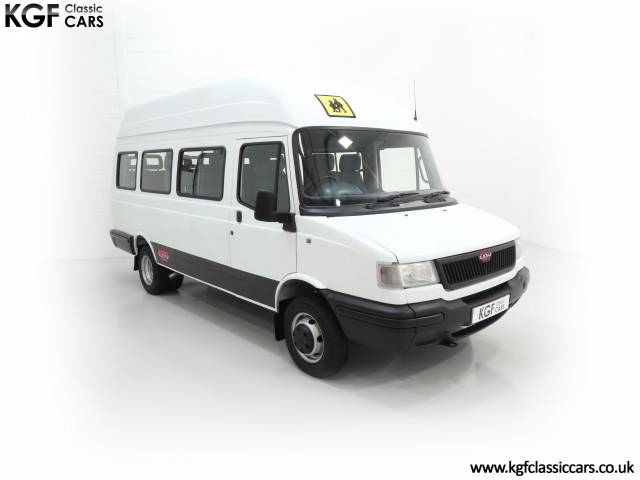
2006 | LDV Convoy
Our Marvellous ‘Fun Bus’ LDV Convoy 17-Seat Hi-Roof Minibus with 33,501 Miles
Create search alert
Let yourself be notified as soon as a listing is published that matches your search filters.
Create listing
Do you have a LDV Convoy that you want to sell? Then create a listing now.
Create listingLDV Convoy Classic Cars: Prices & Market Values
History of the LDV Convoy
The LDV Convoy’s roots go back to the Leyland Sherpa van series from 1974, evolving over decades through phases as the Freight Rover Sherpa and Leyland DAF 400 before becoming the LDV 400 in 1993. Only in 1996 was the Convoy name introduced, which then became synonymous with practical, boxy British transport until production ended in 2006. Especially in its later years, the Convoy became renowned for its service as a school minibus and commercial vehicle, cementing its legacy as the 'King of the Primary Schools.'
Model History and Development
Initially developed on the Leyland Sherpa platform, the Convoy design inherited the Sherpa’s robust layout but exceeded it in width and overall dimensions. The successive models reflected incremental technical updates, adding comfort and safety improvements demanded by transport and public service operators. With the introduction of the Ford Duratorq diesel engine in 2002, the Convoy gained a modern powertrain, increased torque, and improved efficiency. After 2006, production ceased with no direct successor, marking the end of one of Britain’s last traditional box vans.
Highlights and Unique Features
The LDV Convoy, especially in minibus configuration, is notable for its high-roof body, versatile seating for 17 passengers, and advanced safety equipment for its time—such as height-adjustable three-point seatbelts and enhanced locker protections. Schiebefenster (sliding windows), reinforced doors, and a distinctive rear step provided additional utility. The availability of a factory-fitted Turbo-Intercooler, abundant interior storage, and standard steel wheels underlined the Convoy’s utilitarian nature. Its status as 'Best Minibus' winner for three consecutive years is a testament to its popularity in public transport and school fleets.
Technical Data
Special Editions and Collectible Models
Notable special variants include factory-built high-roof minibuses with seating for 17, some delivered exclusively with the Turbo-Intercooler engine upgrade and distinctive DAF White (code N3NC) paint. Dealer-offered equipment—such as retractable sidesteps and school bus livery—makes certain minibuses uniquely suited to purpose-built fleets. Pristine, low-mileage examples with original specification interiors and accessories like the LDV stereo and safety kits are rarely found on the market.
Weak Spots and Common Issues
While the Convoy is renowned for its durability, attention should be paid to possible rust on chassis and underbody, especially given its prevalent use as a high-mileage transporter or minibus. Regular checks of the rear step, door mechanisms, and reinforced locks are recommended. Mechanical wear-part changes—for example, clutch components and brake discs—are common in older, hard-worked vehicles. Electrical issues may occasionally surface in later models with enhanced cabin equipment, so a review of all lighting and heater controls is advisable.
Engine, Transmission and Driving Behaviour
Later Convoys equipped with the Ford Duratorq turbo-diesel engine offer modern performance by the standards of early 2000s commercial vans: robust pull at low revs, sufficient 88 PS output with the Intercooler, and a 5-speed manual transmission optimised for heavy loads. Twin-rear wheels and a strengthened floor allow for full seating capacity with stable handling, even when fully loaded. The LCV tyres ensure it remains safe and predictable across varied road conditions, while steering and brakes feel direct and over-engineered for reliability.
Popular configurations: Minibus versions with full seating, Turbo-Intercooler upgrades, dual rear wheels, and original high-roof bodywork are most desirable. They combine practicality, load capacity, and dependable mechanics, making them particularly attractive for camper conversions or preservation as working classics. undefined
Interior, Comfort, Exterior and Design
The Convoy’s functional design is most apparent in its minibus layouts: a true high-roof allowing for standing height, sliding side doors for efficient access, dual emergency rear exits, and an abundance of practical storage including gloveboxes and bottle holders. Factory-fitments—such as the original LDV stereo, full headlining, and clean fitted carpet—address the needs of daily users. Durable seat frames, headrests, and configurable seat belts underscore its safety focus. Exterior finishes include classic DAF White and steel wheels with branded hubcaps. Accessories extended to fire safety kits, cigarette lighters, and rear cabin fans. These features made the Convoy a workhorse for fleet managers and a blank canvas for conversion enthusiasts.
Other Features
Additional highlights include the placement of jack and wheel wrench behind the cab seats and factory-equipped fire extinguisher and first aid kit, enhancing both practicality and on-the-road safety. The Convoy’s robust bumpers, reinforced door locks, and optional features like electric retractable sidesteps demonstrate the manufacturer’s focus on hard-wearing, adaptable vehicles. Original school bus decals and livery form a unique part of its legacy in public transportation.
Summary
The LDV Convoy impresses as a spacious and robust example of late British commercial vehicle engineering. Whether as a well-equipped minibus, a durable transporter, or a classic ready for camper conversion, the Convoy’s reputation is built upon reliability, functionality, and adaptability—qualities clearly confirmed by its dominance in the classic LDV sector. For car enthusiasts and collectors focused on vans with a story, the Convoy offers a straightforward yet richly featured platform that still stands out in today’s classic landscape.