- Car
- Laurin & Klement - Skoda
- Laurin & Klement - Skoda 110 (0 offers)
Laurin & Klement - Skoda 110 classic cars for sale
The Laurin & Klement – Skoda 110, originating from the transitional phase between Laurin & Klement and Skoda in the mid-1920s, stands out for its authenticity and rarity. Its Phaeton body and history of high sales figures make it a unique addition for enthusiasts of early Czech automotive engineering.
Search results
Currently, there are no matching listings for your search.
Create search alert
Let yourself be notified as soon as a listing is published that matches your search filters.
Create listing
Do you have a Laurin & Klement - Skoda 110 that you want to sell? Then create a listing now.
Create listingLaurin & Klement - Skoda 110 listing references from Classic Trader
Below you will find listings related to your search that are no longer available on Classic Trader. Use this information to gain insight into availability, value trends, and current pricing for a "Laurin & Klement - Skoda 110" to make a more informed purchasing decision.
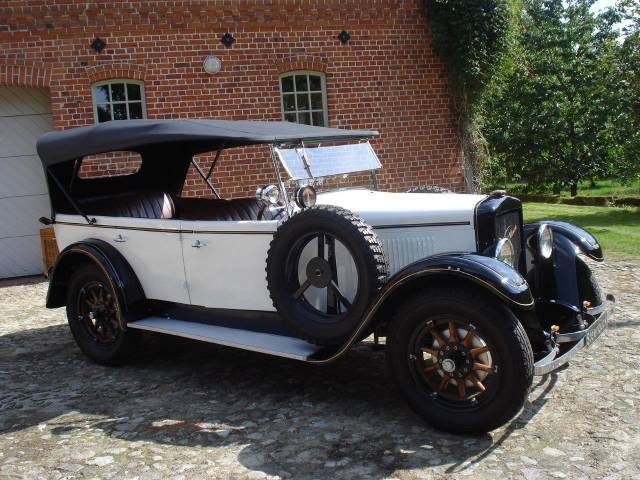
1929 | Laurin & Klement - Skoda 110
Very rare vintage car
Create search alert
Let yourself be notified as soon as a listing is published that matches your search filters.
Create listing
Do you have a Laurin & Klement - Skoda 110 that you want to sell? Then create a listing now.
Create listingLaurin & Klement - Skoda 110 Classic Cars: Prices & Market Values
History of Laurin & Klement – Skoda 110
Laurin & Klement was established in 1895 in Mladá Boleslav by Vaclav Laurin, a locksmith, and Vaclav Klement, a bookseller. Initially focused on bicycles, the company later ventured into motorcycle and automobile production. By 1925, Laurin & Klement faced a significant crisis, prompting interest from Skoda, which was seeking expansion in the automotive sector. During this tumultuous period, both Laurin & Klement and Skoda-badged cars were manufactured in parallel. The Typ 110 Phaeton emerged precisely during this transition, symbolising both the technical prowess and uncertainty of the era.
Model History of the Typ 110
The Laurin & Klement – Skoda 110, especially as the Phaeton variant, became the brand’s most-sold car during the mid-1920s transition. It followed the earlier Laurin & Klement models renowned for their engineering, and was succeeded by full Skoda-branded vehicles after the merger was complete. The Typ 110 is notable as a culminating point in the independent Laurin & Klement line, while embodying many innovations that later defined early Skoda automobiles.
Highlights and Unique Features
The Typ 110 is especially valued for its originality and patina—most surviving examples appear remarkably unaltered. Rare in the classic market, it is a benchmark of period-correct restoration and preservation. Authentic Skoda certificates still exist for this model, underlining its historical significance and traceable provenance. The vehicle’s open Phaeton body style remains a draw for collectors seeking genuine prewar driving experience.
Technical Data
Special Editions and Rare Models
There are no officially documented special editions of the Typ 110, but each surviving example can be considered unique due to its authenticity and level of preservation. Most vehicles of this type were individually tailored for customers, a common practice in the 1920s, resulting in unique upholstery, paint, and optional equipment.
Weak Spots and Common Issues
No direct weaknesses are documented in the data provided. Given the advanced age and pioneering technology of these vehicles, potential buyers should pay special attention to the originality of major components, the condition of the chassis, and the presence of genuine certifications. Typical wear points would involve wooden body substructures, clutch and gearbox robustness, and sourcing original parts.
Engine, Transmission, and Handling
The Typ 110 Phaeton embodied Laurin & Klement’s knowledge of robust early automotive engineering. These vehicles typically feature large-displacement, slow-revving engines paired with simple, sturdy transmissions and rigid-axle suspension. Driving dynamics reflect the era: slow and steady, with an emphasis on long-distance comfort rather than agility. Braking distances are substantial compared to postwar vehicles, and the steering is heavy at slow speeds. The Phaeton construction delivers a spacious, airy ride, often appreciated during period rallies and parades. Among all Laurin & Klement – Skoda models of this transition period, the Typ 110 stands out for its production numbers and market presence. It set the standard before Skoda's full industrial integration.
Interior, Comfort, Exterior and Design
The open Phaeton body defines the appearance of the Typ 110, with a timeless focus on elegance and passenger visibility. Interiors typically use real leather upholstery, wooden trim, and period-correct instrumentation. Accessories often included foldable windshields, bespoke door cards, and wooden steering wheels. Exterior paintwork tended towards dark, dignified colours with contrasting details, hinting at bespoke manufacture. The simple, upright grille and Skoda badging (in late examples) highlight the vehicle’s cross-brand identity. Unique to each car are features like custom luggage racks or period-correct lighting systems.
Other Noteworthy Features
Depending on individual provenance, some surviving Typ 110 models come with extensive documentation or even original Skoda manufacturer certificates. Such documentation not only substantiates authenticity but also enhances historical narrative and provenance.
Summary
The Laurin & Klement – Skoda 110 stands as a witness to both brands’ history and commitment to technical innovation during the 1920s. Its rarity is matched only by its originality and patina. For collectors interested in authentic driving experiences from the early Czech motoring tradition, the Typ 110 offers a glimpse into a pivotal era when Laurin & Klement transitioned into the modern Skoda brand.