- Car
- La Licorne
- La Licorne V14 (0 offers)
La Licorne V14 classic car buying
The La Licorne V14 represents a rare French classic that stands out due to its unique engineering and limited market presence. Buyers looking for something truly distinctive among pre-war automobiles often turn their attention to this model, known for its historical context and mechanical ingenuity.
Search results
Currently, there are no matching listings for your search.
Create search alert
Let yourself be notified as soon as a listing is published that matches your search filters.
Create listing
Do you have a La Licorne V14 that you want to sell? Then create a listing now.
Create listingLa Licorne V14 listing references from Classic Trader
Below you will find listings related to your search that are no longer available on Classic Trader. Use this information to gain insight into availability, value trends, and current pricing for a "La Licorne V14" to make a more informed purchasing decision.
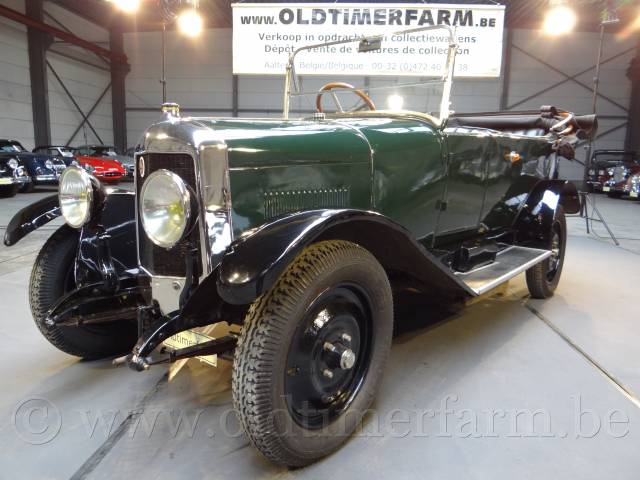
1925 | La Licorne V14
Create search alert
Let yourself be notified as soon as a listing is published that matches your search filters.
Create listing
Do you have a La Licorne V14 that you want to sell? Then create a listing now.
Create listingLa Licorne V14 Classic Cars: Prices & Market Values
History of the La Licorne V14
La Licorne, officially named 'SA des Automobiles Corre La Licorne', was a noted French car manufacturer from the early 20th century. The V14 model appeared in the late 1930s, right before the Second World War reshaped the automotive landscape across Europe. La Licorne specialised in robust, innovative vehicles, often using advanced designs for small- and mid-sized cars. The V14 emerged during a fiercely competitive era in French motoring, with the brand leveraging its racing heritage to influence both design and engineering. This model was witness to and a product of the interwar period's ambitions—an era marked by technical experimentation and stylistic evolution.
Model Series History
The V14 followed in the footsteps of earlier Licorne models that aimed to bridge affordability and mechanical sophistication. While details on direct predecessors are scarce due to La Licorne's relatively modest output and historical records interrupted by war, it's recognised that the V14 was among the last independent models before La Licorne's absorption into larger automotive conglomerates post-1940s. No direct successor carries the exact V14 lineage, solidifying its position as a distinct model in the marque's archives.
Highlights and Popularity
The V14 distinguishes itself with its blend of French engineering know-how and pre-war era styling. Known for a lightweight yet durable chassis, the car also incorporates technical solutions reflective of its period, including the possibility of advanced engine layouts for the time. Its rarity is underscored by the scarcity of surviving examples and limited documentation, making surviving vehicles especially interesting for collectors and historians.
Technical Data
Special Editions and Collectible Models
No official records suggest factory-designated special editions of the V14. However, custom coachbuilders in France during the 1930s occasionally provided bespoke bodies for La Licorne chassis, some of which may exist as unique pieces today, vastly increasing their collector appeal due to provenance and craftsmanship.
Weak Spots and Common Issues
There is limited documentation on known issues specific to the V14, but as with many pre-war French classics, buyers should expect the need for thorough inspection of the car’s structure for corrosion and check mechanical integrity—especially the gearbox and suspension. Sourcing original spare parts can be particularly challenging due to the minimal surviving production.
Engine, Performance, Transmission and Handling
The V14’s performance is typical of upper-middle class French vehicles from the late 1930s. With an estimated output in the 30–40 horsepower range, the V14 was capable on both urban roads and rural routes. Classical leaf-sprung construction meant a sturdy but comfort-oriented ride, while the manual gearbox required period-appropriate driver finesse. Acceleration was modest, as expected for the era, but reliability and fuel economy were reasonable for cars in its class. Ownership today requires sensitivity to its pre-war mechanical design and handling characteristics. Due to the extremely low number of existing vehicles, there are no other notable factory variants or popular sub-models within the V14 series to highlight.
Interior, Comfort, Exterior and Design
The exterior design of the V14 features classic late-1930s French lines— flowing fenders, a sloping rear section, and a tall, narrow grille. Interiors of the period prioritised simplicity, with a limited but sturdy dashboard, basic instrument layout, and materials typical of its price class, such as leatherette or cloth upholstery. Custom bodies, if present, brought higher grades of finish and unique details, including extra chrome or two-tone paintwork. Accessories could include period-style fog lamps and luggage racks, sometimes specified by first owners or body builders.
Other Features
With such a narrow production run and few survivors, each V14 carries its unique history, often linked to ownership stories from France’s interwar years or wartime era. Documentation, period photographs, and records of original bodywork alterations can add historical depth beyond technical specification.
Summary
The La Licorne V14 stands as an exceptionally rare representative of 1930s French car-making. Most available examples will be individual survivors, often with traceable provenance, and reflect La Licorne’s unique place outside the mainstream French car industry. A V14 offers enthusiasts a true deep dive into early automotive history, blending engineering curiosity with period charm.