Jowett Bradford classic cars for sale
The Jowett Bradford stands as a staple of the British light van segment, built in Idle near Bradford from 1946 to 1953. Its straightforward engineering and utility earned it favour among postwar buyers seeking robust and economical transport. Since 1947, estate versions provided added versatility for families and small businesses.
Search results
Currently, there are no matching listings for your search.
Create search alert
Let yourself be notified as soon as a listing is published that matches your search filters.
Create listing
Do you have a Jowett Bradford that you want to sell? Then create a listing now.
Create listingJowett Bradford listing references from Classic Trader
Below you will find listings related to your search that are no longer available on Classic Trader. Use this information to gain insight into availability, value trends, and current pricing for a "Jowett Bradford" to make a more informed purchasing decision.
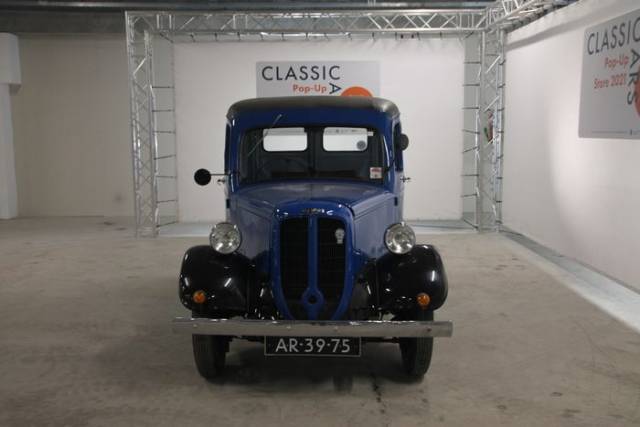
1950 | Jowett Bradford

Create search alert
Let yourself be notified as soon as a listing is published that matches your search filters.
Create listing
Do you have a Jowett Bradford that you want to sell? Then create a listing now.
Create listingJowett Bradford Classic Cars: Prices & Market Values
History of the Jowett Bradford
The Jowett Bradford debuted in 1946 as the first postwar model from Jowett Cars Ltd, produced in Idle, near Bradford, England. Emerging from the backdrop of a country recovering from conflict, the Bradford responded directly to demands for durable and pragmatic transport. Rooted in the prewar Jowett Eight, the vehicle’s design capitalised on established mechanical layouts for ease of production and affordability. Quickly adopted by tradespeople and small enterprises, it embodied reliability and simplicity during years of material shortages and rationing.
Model history of the Bradford series
The Jowett Bradford finds its origins in the Jowett Eight, a prewar platform known for its robust mechanicals. The Bradford updated this base with postwar necessities, catering to growing commercial and family demands. While there was no direct precursor carrying the 'Bradford' name, its mechanical underpinnings carried forward Jowett's established formula. Production continued until 1953, without a direct factory successor, marking the end of Jowett’s light commercial vehicles.
Highlights and supply statistics for the Jowett Bradford
Noteworthy for its functional simplicity, the Bradford used minimalistic construction and economical running costs as major selling points. Designed with rational function, the van and estate versions provided practicality with little excess, appealing to British austerity. Its association with the founding years of postwar recovery gives it unique collector value today.
Technical Data
Special Editions and Collectible Models
No separate special editions of the Jowett Bradford are known. However, estate (Kombi) versions produced from 1947 to 1953 are appreciated for the additional usability and their comparative rarity within today’s market.
Weak Spots and Common Issues
While detailed weak spots are undocumented here, owners should be attentive to issues typical for basic postwar British engineering. Regular checks of the drivetrain, rust prevention, and close inspection of simple-but-aged components—like brakes and suspension—are advised given the Bradford’s spartan, utilitarian build.
Engine, Performance and Handling
The Jowett Bradford was engineered for reliability and cost-effective service rather than high output. Its flat-twin engine offered sufficient torque for urban deliveries and light loads. Handling is predictably straightforward, with solid axle suspension and conservative braking characteristic for British light vans of the period. Manual transmission and unassisted steering reflect the era's engineering philosophy. Most sought-after are estate versions from 1947 onwards, due to their expanded practical use while retaining the trusted Bradford chassis.
Interior, Comfort, Exterior and Design
Bradford's utilitarian design focused on practicality, both inside and out. The exterior’s boxy, compact body enabled easy cargo loading and urban manoeuvring. Interiors are spartan, featuring plain materials and only essential instrumentation. Options for special paintwork or accessories were limited as manufacturing postwar prioritised availability and restraint. The closest touch of individuality was provided in later estate models, which included rear seats and side windows to support mixed-use practicality.
Other relevant features
Period accessories for the Jowett Bradford were minimal, in line with its postwar economic context. Owners occasionally retrofitted period roof racks, extra lamps or updated comfort items, but originality is frequently a decisive factor in today’s market.
Summary
The Jowett Bradford exemplifies British postwar utility, offering simple engineering and frugal motoring in van and estate form. It has exceptionally high representation in the classic Jowett market, testifying to its historical importance and practicality. Collectors and enthusiasts favour it for its unpretentious charm and honest execution as a robust companion of its era.