Jowett 7/17 HP Classic Cars for Sale
The Jowett 7/17 HP is a rare British pre-war vehicle known for its advanced flat-twin engine, innovative engineering, and distinctive bodywork. As a model that represents the heritage of independent British automaking, the 7/17 HP stands out with its unique mechanical features and is the centrepiece of Jowett’s historical lineup.
Search results
Currently, there are no matching listings for your search.
Create search alert
Let yourself be notified as soon as a listing is published that matches your search filters.
Create listing
Do you have a Jowett 7/17 HP that you want to sell? Then create a listing now.
Create listingJowett 7/17 HP listing references from Classic Trader
Below you will find listings related to your search that are no longer available on Classic Trader. Use this information to gain insight into availability, value trends, and current pricing for a "Jowett 7/17 HP" to make a more informed purchasing decision.
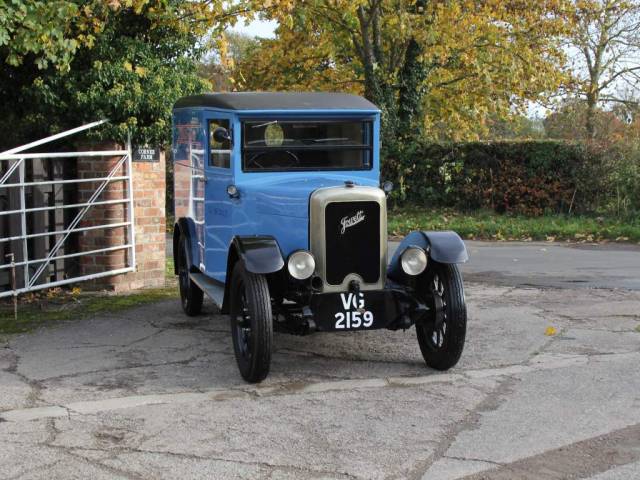
1929 | Jowett 7/17 HP

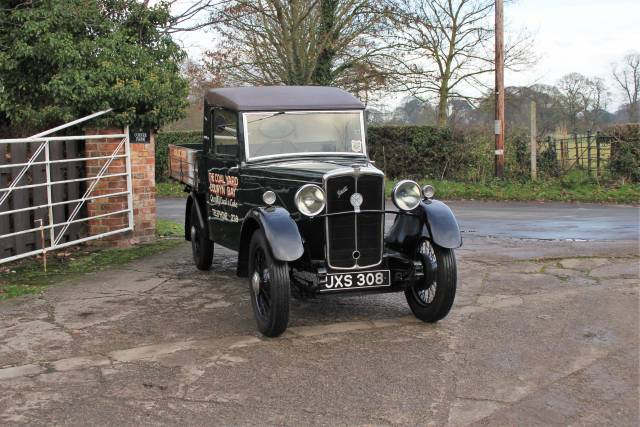
1934 | Jowett 7/17 HP
Create search alert
Let yourself be notified as soon as a listing is published that matches your search filters.
Create listing
Do you have a Jowett 7/17 HP that you want to sell? Then create a listing now.
Create listingJowett 7/17 HP Classic Cars: Prices & Market Values
History of the Jowett 7/17 HP
Jowett, based in Bradford, built its reputation on robust, ingeniously engineered vehicles. The 7/17 HP was introduced in the 1930s, conceived as a development of earlier Jowett twin-cylinder models, and stood out in the competitive small car market. Its production spanned a period when British manufacturers were pioneering lightweight, efficient designs to cater for a growing class of private motorists. The car's reliability and its use of reliable side-valve flat-twin engines made it popular in its day with urban and rural users alike. While Jowett never reached the sales volume of larger marques, the company’s steadfast adherence to its engineering principles has earned it a loyal following among classic car enthusiasts.
Model History of the Jowett 7/17 HP
The 7/17 HP evolved from Jowett’s earlier 7 HP line, taking lessons from those dependable powertrains and refining both performance and comfort. There was no direct predecessor using the 7/17 HP moniker, but the underlying mechanical layout harks back to the utilitarian Jowett cars of the 1920s. Its production saw improvements in materials, driving quality, and touring capability. There is no direct successor—the 7/17 HP represents the end of an era before Jowett pursued new models, such as the Jowett Eight, later in the pre-war period.
Highlights of the Jowett 7/17 HP
A hallmark of the 7/17 HP is its horizontally opposed engine configuration, giving it a low centre of gravity and smooth running characteristics. Unlike most cars in its class, the Jowett was known for its rugged simplicity, torque-rich engine, and a surprisingly roomy interior. Vintage enthusiasts also prize the unique styling touches and the use of mechanical components mostly produced in-house by Jowett, rather than outsourced, which sets the car apart from many period competitors.
Technical Data
Special Editions and Collectible Models
Documented information about factory special editions of the Jowett 7/17 HP is scarce. However, it is common to find unique coachbuilt bodies, as many were supplied to specialist British coachbuilders. These versions differ in detail and collectibility due to specialist bodywork or rare factory accessories.
Weak Spots and Common Issues
Given the age and relative rarity of mechanical parts, prospective owners should pay close attention to the flat-twin engine’s lubrication system, the integrity of mechanical brake linkages, and chassis corrosion. Parts supply can be challenging, so attention to originality and mechanical completeness is crucial. Electrical systems are often basic but may require rewiring if unrestored.
Engine and Performance, Transmission and Handling
The Jowett 7/17 HP’s flat-twin, side-valve engine delivers modest output, typically under 20 horsepower, yet is respected for its tractable torque and rugged design. The light rear-wheel drive chassis and short wheelbase provide relatively nimble responses at low to moderate speeds, but the ride quality remains basic as expected from 1930s engineering. The manual three-speed transmission is straightforward, with synchromesh absent, demanding an experienced touch from the driver. The ‘tourer’ variant and cars with specialist coachwork are of particular interest due to their rarity and bespoke craftsmanship. The original engine layout and simplicity also attract collectors interested in mechanical authenticity.
Interior, Comfort, Exterior and Design
The 7/17 HP typically features simple, upright coachwork with exposed running boards and spartan yet charming interiors, often trimmed in leathercloth or period-appropriate fabrics. Dashboard instrumentation is minimal but functional, reflecting the technology of the era. Options for open tourer or closed saloon bodies depended on the supplier; many bodies were produced by independent British firms. Details such as split windscreens, wire wheels, and period accessories differentiate individual vehicles.
Other Relevant Information
Ownership demands patience due to the age of components and the need for careful, period-correct restoration techniques. Club support for Jowett remains healthy in the UK, assisting owners in sourcing knowledge, technical diagrams, and recreated components for restoration.
Summary
The Jowett 7/17 HP is an authentic slice of British pre-war motoring, embodying the independent spirit of innovators from Bradford. With its unique flat-twin powerplant, mechanical purity, and characteristic design, it stands as the definitive Jowett available for collectors and classic car aficionados seeking an engineering curiosity from the interwar years.