Jeep Forward Control Classic Cars for Sale
The Jeep Forward Control, produced by Willys Motors from 1956 to 1965, stands out due to its forward cab design and practical versatility. Originally conceived as a workhorse based on the CJ-5, these trucks are today a rare sight and impress with their unique silhouette and specialist history.
Zoekresultaten
Op dit moment zijn er geen overeenkomende advertenties voor uw zoekopdracht.
Create search alert
Let yourself be notified as soon as a listing is published that matches your search filters.
Create listing
Do you have a Jeep Forward Control that you want to sell? Then create a listing now.
Create listingJeep Forward Control listing references from Classic Trader
Below you will find listings related to your search that are no longer available on Classic Trader. Use this information to gain insight into availability, value trends, and current pricing for a "Jeep Forward Control" to make a more informed purchasing decision.
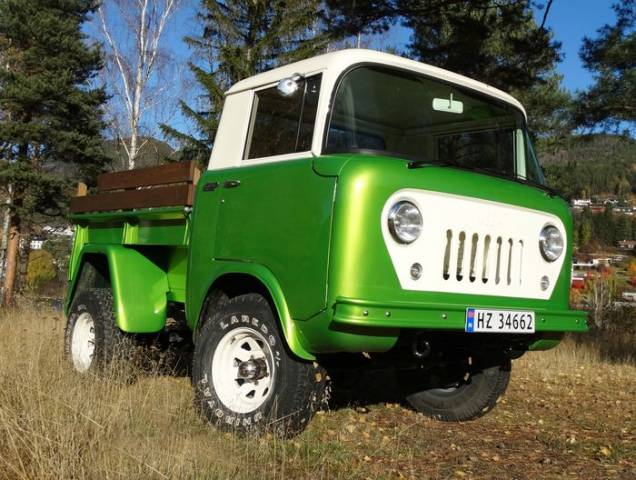
1960 | Jeep FC-150
Create search alert
Let yourself be notified as soon as a listing is published that matches your search filters.
Create listing
Do you have a Jeep Forward Control that you want to sell? Then create a listing now.
Create listingJeep Forward Control Classic Cars: Prices & Market Values
History of the Jeep Forward Control
The Jeep Forward Control was introduced in 1956 by Willys Motors, later known as Kaiser Jeep, as a novel approach to utility vehicles. Its distinctive cab-over-engine (forward control) configuration was engineered by renowned designer Brooks Stevens. This unique layout maximised cargo area within a minimal overall length, making it ideal for commercial and municipal tasks. The Forward Control series marked a technical and aesthetic departure from Jeep’s traditional models, providing solutions for industries that required compact yet robust and flexible trucks. It also enjoyed international popularity, being assembled in several countries outside the US.
Model History of the Jeep Forward Control
The Forward Control was based heavily on the Jeep CJ-5’s chassis, offering a solid foundation with well-proven mechanicals. Early versions, such as the FC-150, provided compact proportions, while later models like the FC-170 were larger and offered increased payload and performance. One particularly rare version is the FC-150a from 1960, distinguished by its compact format and rarity. Production spanned nearly a decade, ceasing in 1965, with the model subsequently replaced as utility vehicle requirements changed and more modern trucks entered the market.
Highlights of the Jeep Forward Control
One of the most fascinating features of the Jeep Forward Control is its versatility—originally marketed for working roles such as municipal service, fire departments, and commercial applications. Its distinctive design ensures that even restored vehicles attract considerable attention at exhibitions and as advertising vehicles. Details such as genuine leather seating and trim, as seen in restored examples, and options for upgrades like disc brakes or replacement windows enhance their appeal among purists and customisers alike. Today, the Forward Control’s rarity means that even experienced car enthusiasts are sometimes unfamiliar with this chapter of Jeep’s history.
Technical Data
Special Editions and Collectible Models
Among the most collectible variants is the FC-150a, produced around 1960, which stands out due to its small series production and unique styling. These versions are highly sought after by collectors due to their rarity and historical significance.
Engine and Performance, Transmission and Handling
The Forward Control’s engineering roots in the CJ-5 ensure straightforward, reliable drivetrain technology. Its 2.2-litre engine produces 75 PS, which is sufficient for its original intended workload. Models could be retrofitted with front and rear disc brakes—a sensible upgrade given the vehicle’s original period drum system. Due to the forward cab design, handling differs from conventional pickups and requires measured, attentive driving, particularly when loaded. The robust ladder frame chassis enables enduring performance even under demanding conditions. Popular derivatives include the FC-150 and FC-170. Both are based on the CJ-5 chassis but differ in cargo and powertrain configurations, with the FC-170 offering greater payload and engine displacement.
Interior, Comfort, Exterior, and Design
Designer Brooks Stevens gave the Forward Control a striking look with its full cab-forward configuration. Compact outside, the interior focused on practicality, yet restored versions are often upgraded with full leather seating, door and dash-trim for enhanced comfort. Optional equipment for restored examples includes new safety glass for front and side windows, disc brake conversions, and additional accessories. The utilitarian exterior, once favoured by fire brigades and commercial fleets, is now appreciated for its functional simplicity, upright windscreen and friendly, boxy profile.
Other Features
In various markets, the Forward Control found use in a broad spectrum of roles, including service and rescue vehicles. Its adaptability remains a hallmark, with many vehicles restored for promotional use and exhibition today.
Summary
The Jeep Forward Control occupies a distinctive place in Willys and Jeep history, as the only classic Jeep with a full forward cab layout and purpose-oriented versatility. Thanks to its unique combination of robust engineering, characterful design, and rarity, the Forward Control offers an authentic and uncommon choice for enthusiasts and collectors who appreciate practical classics with an interesting backstory.