Iveco 370 classic vehicles for sale
The Iveco 370 is a coach synonymous with Italian bus engineering from the late 1970s and 1980s. Engineered first by Fiat Veicoli Industriali and later by Iveco, this model marked a milestone in interurban and tourism transport, standing out for its technical progress and robust construction.
Search results
Currently, there are no matching listings for your search.
Create search alert
Let yourself be notified as soon as a listing is published that matches your search filters.
Create listing
Do you have a Iveco 370 that you want to sell? Then create a listing now.
Create listingIveco 370 listing references from Classic Trader
Below you will find listings related to your search that are no longer available on Classic Trader. Use this information to gain insight into availability, value trends, and current pricing for a "Iveco 370" to make a more informed purchasing decision.
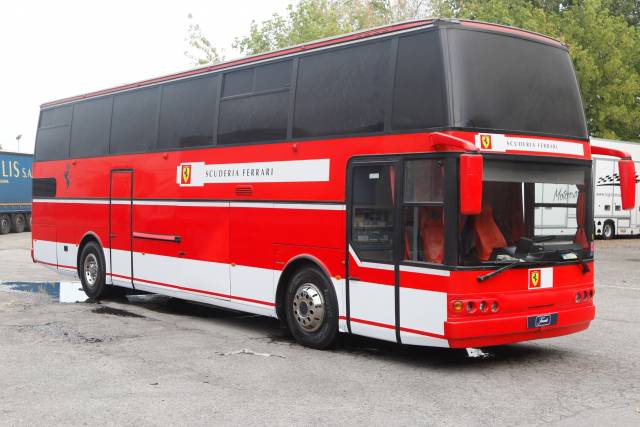
1992 | Iveco 370-12-30
Auction: Sports & Racing Cars - Imola 28 August 2021

Create search alert
Let yourself be notified as soon as a listing is published that matches your search filters.
Create listing
Do you have a Iveco 370 that you want to sell? Then create a listing now.
Create listingIveco 370 Classic Cars: Prices & Market Values
Introduction and history of the Iveco 370
Launched in 1976 by Fiat Veicoli Industriali, the 370 was developed as a modern successor to earlier bus models, responding to new demands in passenger comfort and operator reliability. From 1980, production and development shifted under the Iveco consortium after its formation by Fiat and other major Italian industrial vehicle producers. The 370 became a benchmark for coaches used across Europe, particularly for its modular construction that allowed for a variety of lengths and configurations, making it adaptable for different service needs.
Model history
The Iveco 370 replaced the previous Fiat 343 and set new standards for coachbuilding in Italy and Europe. Over the years, several variants were introduced, including different lengths and internal fittings to cater to both suburban and long-distance routes. Production under the name '370' continued into the late 1980s before the introduction of newer models such as the Iveco EuroClass, which inherited many design and technical cues from the 370 series.
Highlights of the Iveco 370
What sets the Iveco 370 apart is its modular design, allowing for versatile deployments ranging from city-to-city lines to luxury tourist coaches. The robust construction offered longevity under heavy-duty conditions, and the spacious, configurable interiors were appreciated by operators and passengers alike. Its technical evolution during production years ensured compliance with rising comfort and safety standards.
Technical data
Special Editions and Collectible Models
Throughout its production, the Iveco 370 was occasionally produced with premium interior trims for high-end tourist use. Some rare versions featured extended wheelbases and higher roofs, optimised for comfort and panoramic sightseeing, making these configurations especially desirable among contemporary collectors and operators interested in retrofitting.
Weak Spots and Common Issues
Old bus maintenance priorities apply: corrosion in structural bodywork, especially around wheel arches and lower panels, should be checked carefully. The drivetrain is generally robust, but as with any commercial diesel from this era, injector pump health and cylinder head gaskets are critical points. Spare part availability for the main mechanical aggregates remains moderate in Europe due to the bus's enduring popularity among enthusiasts and secondary market operators.
Engine and Performance, Transmission and Handling
Engine options provided ample torque from low revs, essential for fully loaded coaches tackling steep interurban roads. Manual transmissions offered precise control, suitable for experienced drivers accustomed to heavier vehicles of this vintage. Ride comfort, thanks to the suspension setup, was ahead of many regional competitors, ensuring both stability and isolation from road imperfections even on longer journeys. Popular configurations include long-wheelbase versions with upgraded seating for tour operations and intermediate-length city models with reinforced floors for frequent embarkation.
Interior, Comfort, Exterior and Design
The exterior design retained classic Italian styling cues with a boxy silhouette, large windows, and clear lines optimised for function and passenger visibility rather than pure aesthetics. Inside, the attention was on passenger comfort with ergonomic seats and functional luggage racks, while driver ergonomics reflected the priorities of Italian coachbuilders of the era. Options for premium seat fabric, individual lighting, and luggage compartments were available, especially on long-distance and tourist versions.
Other relevant features
Depending on the bodybuilder, some 370s were delivered with factory-fitted roof air conditioning and additional storage bays for luggage. Rare features like sliding windows or specific floor heights were adjusted according to operator needs, giving each bus a semi-custom profile.
Summary
The Iveco 370 remains a key representative of Italian bus manufacturing from the late 20th century. Its adaptability, robust mechanical layout, and enduring use in various transport sectors underline its relevance for classic vehicle enthusiasts and collectors interested in functional, large-scale vehicles with a clear history and purpose in European mobility.