Isdera Imperator classic cars for sale
The Isdera Imperator stands out as a rare synthesis of German engineering artistry and performance exclusivity. Born from a desire to realise avant-garde concepts in road-legal form, every Imperator was made with uncompromising attention to technical detail and visual impact. Exceptionally limited in production, each car boasts a distinctive persona and hand-built quality.
Search results
Currently, there are no matching listings for your search.
Create search alert
Let yourself be notified as soon as a listing is published that matches your search filters.
Create listing
Do you have a Isdera Imperator that you want to sell? Then create a listing now.
Create listingIsdera Imperator listing references from Classic Trader
Below you will find listings related to your search that are no longer available on Classic Trader. Use this information to gain insight into availability, value trends, and current pricing for a "Isdera Imperator" to make a more informed purchasing decision.
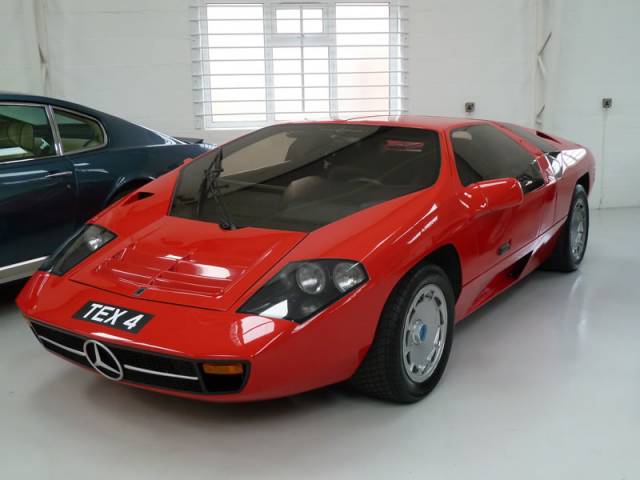
1991 | Isdera Imperator 108i
The 17th Imperator built
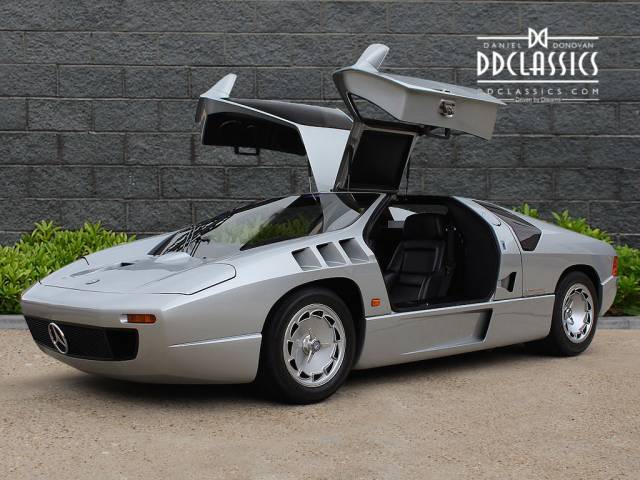
1991 | Isdera Imperator 108i
Create search alert
Let yourself be notified as soon as a listing is published that matches your search filters.
Create listing
Do you have a Isdera Imperator that you want to sell? Then create a listing now.
Create listingIsdera Imperator Classic Cars: Prices & Market Values
History of the Isdera Imperator
The Isdera Imperator emerged in the 1980s as the production evolution of the Mercedes-Benz CW311 concept. Designed by Eberhard Schulz, Isdera’s founder, the Imperator was a testament to independent innovation, featuring a tubular spaceframe chassis and distinctive gullwing doors. Development started when Mercedes declined to develop the CW311, prompting Schulz to establish Isdera and bring the concept to life. Production began in 1984 in Leonberg, Germany, resulting in a unique supercar that defied conventional automotive manufacturing of its era with its blend of racing technology and drivability.
Model History
The Imperator has no direct predecessor—the model was inspired by Schulz's previous work on the CW311. Over the years, the series saw incremental improvements, mostly in terms of engine upgrades and detail refinements. There was never a mass production run; estimates suggest fewer than 30 units, crafted on demand to the client’s specification. The vehicle did not have an immediate successor; Isdera remained a small-volume, highly specialised manufacturer, focusing on unique, individually commissioned vehicles.
Highlights and Special Features
The Imperator is defined by its gullwing doors, individualistic design, focus on lightweight construction, and use of Mercedes-Benz V8 engines. It incorporates a spaceframe chassis for improved torsional rigidity and a low kerb weight, pivotal for its performance credentials. Each unit was hand-assembled, allowing bespoke features and personalisation unparalleled in the era.
Technical Data
Special Editions and Collectible Variants
Each Imperator was, by definition, a special edition, as all units were built to order with bespoke specifications. Some cars featured larger displacement 6.0L V8 engines, upgraded interiors, and experimental aerodynamic solutions requested by specific buyers. Any Imperator with unique engine configurations or factory-documented one-off features is considered especially noteworthy.
Engine, Transmission and Handling
The mid-engined layout combines with the advanced suspension and weight-saving construction to deliver highly responsive handling and outstanding road-holding, even by today’s standards. The Mercedes-sourced engines provide robust reliability matched with ample torque delivery. Manual gearboxes emphasise driver engagement, while feedback from the unassisted steering system appeals to purists. Given the hand-built nature, mechanical character and setup can vary significantly between individual cars. Highlight: Imperator 108i (early and late variants)—notable for their differing engine outputs and bespoke tuning per customer specification.
Interior, Comfort, Exterior and Design
The Imperator’s wedge-shaped silhouette and pop-up headlights are signatures of 1980s performance design, paired with dramatic gullwing doors inspired by classic Mercedes sports cars. Interiors vary widely, as each car was made to order; materials range from high-grade leathers to custom gauges and steering wheels. Carpets, seat stitching, and colour schemes were often selected by clients, resulting in one-of-a-kind combinations. Instrumentation and control arrangements reflect 1980s German design priorities: clarity, function, and solidity. Exterior paint palettes were often bold, with occasional metallic or bespoke finishes.
Other Features
Some Imperators featured period high-tech accessories, such as integrated radar detectors or upgraded sound systems, depending on customer requests. Air conditioning, sunroofs, and power windows were available but not standardised, reflecting the bespoke nature of each build. Owing to their exclusivity, many cars were rarely driven and sometimes stored as part of private collections.
Summary
The Isdera Imperator stands as one of the most individualistic German high-performance vehicles of the 1980s, defined by its rare production numbers, hand-built quality, and technical audacity. Every example tells the story of its owner’s preferences and Isdera’s relentless focus on engineering distinction, ensuring the Imperator is unlike any other classic supercar on the market.