- Car
- International Harvester
- International Harvester Scout (1 offer)
International Harvester Scout classic cars for sale
The International Harvester Scout stands as a true pioneer among early off-road vehicles, introduced in 1960 to challenge the Jeep CJ. Known for its rugged construction, robust drivetrain options, and versatile body configurations, the Scout evolved over two decades into one of the most respected and distinctive SUVs of its era.
Search results
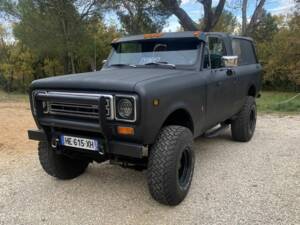
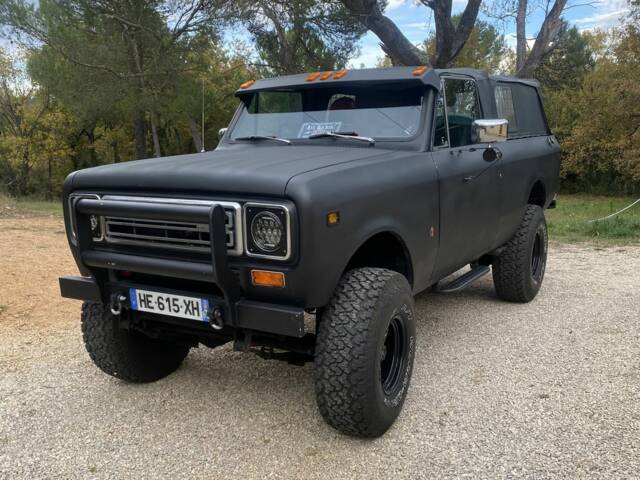
1975 | International Harvester Scout II Terra
International Harvester Scout II | 1979 | Route 66 Auctions - For sale by auction. Estimate 18600 EUR

International Harvester Scout listing references from Classic Trader
Below you will find listings related to your search that are no longer available on Classic Trader. Use this information to gain insight into availability, value trends, and current pricing for a "International Harvester Scout" to make a more informed purchasing decision.
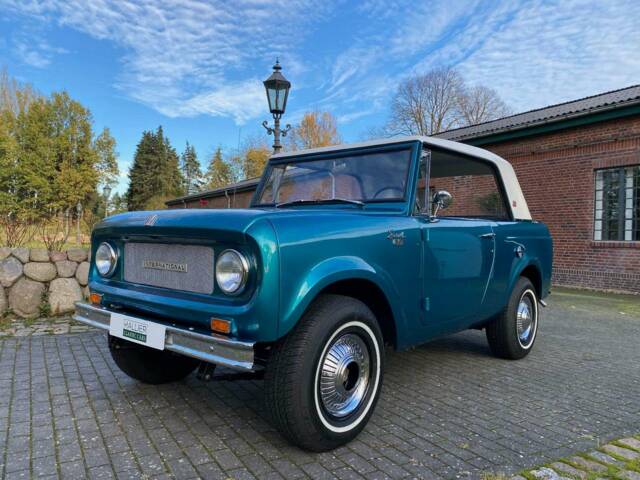
1967 | International Harvester Scout 800
Jeep Sonstige

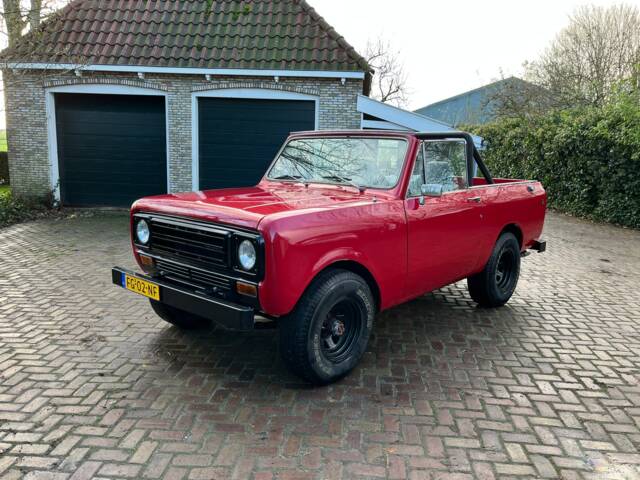
1979 | International Harvester Scout II Terra
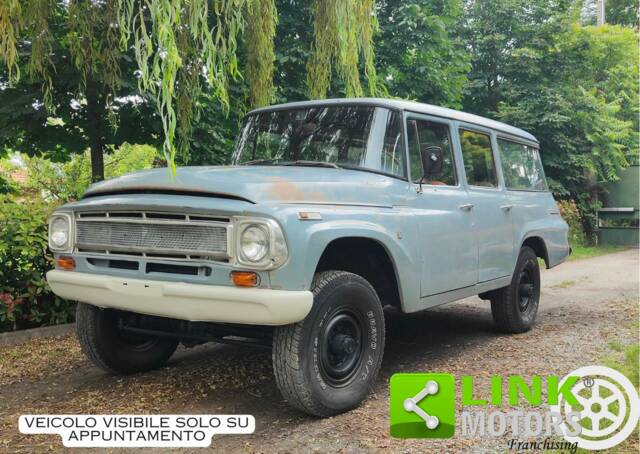
1968 | International Harvester Scout 800
OLDTIMER International Travelall 3.9 cc

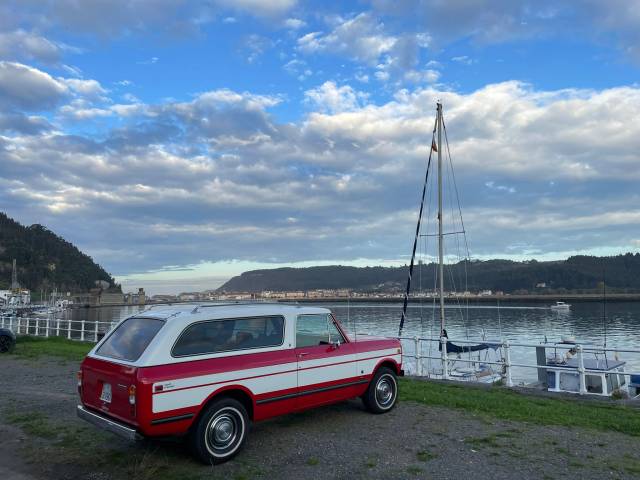
1976 | International Harvester Scout II Traveler
USA export for Europe


1979 | International Harvester Scout II
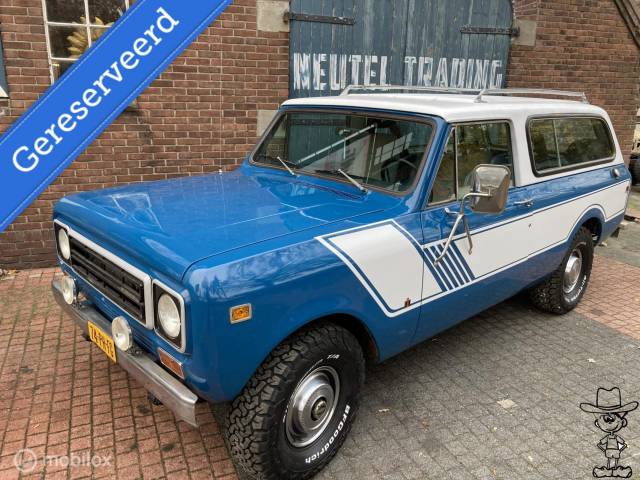
1979 | International Harvester Scout II Traveler
International Scout II Traveler roestvrij! V8 cabrio ralley
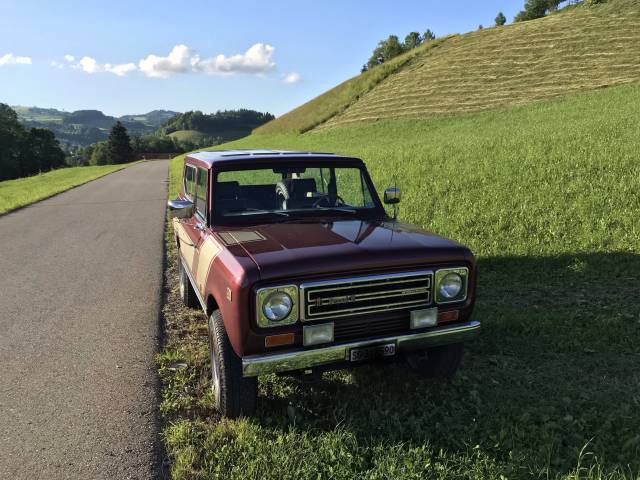
1979 | International Harvester Scout II
Jeep Scout II Der Uhrvater aller SUV's lebt weiter!

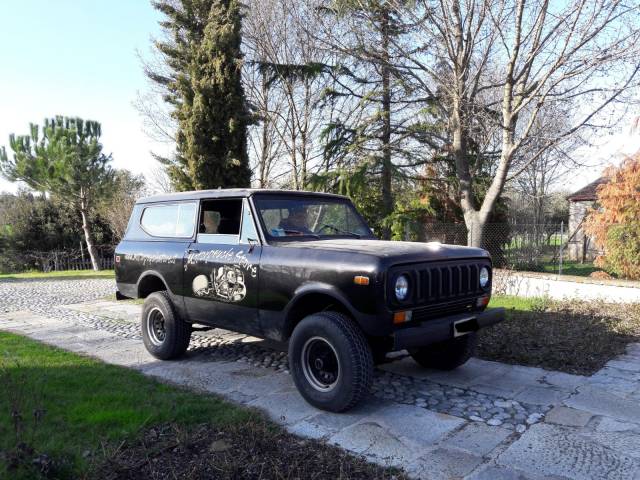
1979 | International Harvester Scout II
International Harvester Scout II XLC (1979)
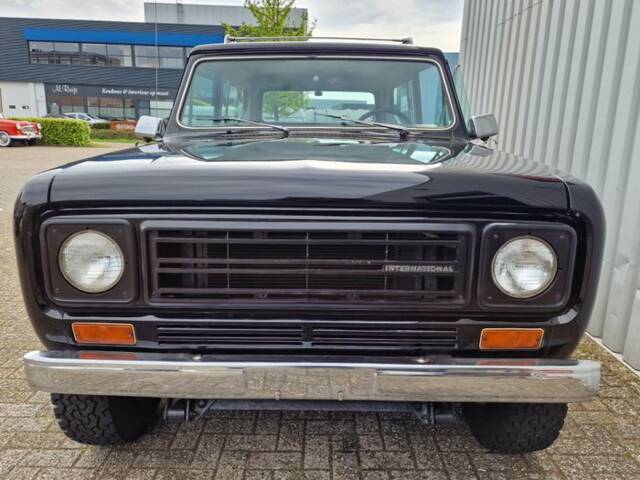
1979 | International Harvester Scout II
International - Scout II - 1979
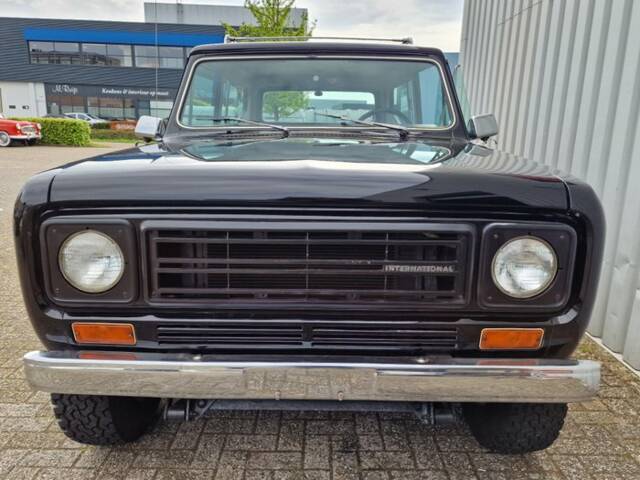
1979 | International Harvester Scout II Traveler
International - Scout II - 1979
International Harvester Scout Classic Cars: Prices & Market Values
History of the International Harvester Scout
In 1960, International Harvester initiated production of the Scout to directly compete with the Jeep CJ, targeting drivers seeking capability beyond paved roads. Developed to endure demanding tasks and adventurous terrains, the Scout quickly gained recognition as one of the earliest all-terrain vehicles. Notably, its robust engineering inspired the next generation of SUVs, influencing models like the Ford Bronco and the Chevrolet Blazer. Production continued until 1980, marking two decades where the Scout’s lineage shaped the future of off-road vehicles through constant improvements and a steadfast dedication to utility and reliability.
Model History
The original Scout emerged in the early 1960s. Its evolution includes the classic Scout 80 and 800 models before the introduction of the Scout II series in 1971. The Scout II encompassed several submodels: the Traveller, featuring an extended wheelbase for more cargo space, and the pickup variant, appealing to those needing added utility. While the Scout had no direct predecessor, its philosophy influenced many successors, leading to the global SUV boom in later decades. Production concluded in 1980, leaving the Scout as a significant reference point for rugged, practical off-road vehicles.
Highlights of the International Harvester Scout
All Scouts feature selectable four-wheel drive (4x4), underscoring their off-road prowess. The model range includes variations like hardtop and softtop configurations, as well as cabriolet conversions. Powertrain options span from robust V8 petrol engines (notably the 345 ci/5.6L and 5.7L units) to a 3300 Turbo-Diesel. With Dana 44 axles and Dana 20 transfer case, even the toughest trails become accessible. Options like power steering, air conditioning, and tow hitches add comfort and utility. Seating accommodates up to five, with a surprisingly high payload for its class, clocking in around 795 kg.
Technical Data
Special Editions and Collectible Models
The Scout II Traveller stands out as a popular special model due to its extended wheelbase and increased cargo capacity, ideal for long-distance expeditions. The pickup version, rarer in the line-up, is sought after by those favouring pure utility. Option packs including factory air conditioning and rare cabriolet conversions also elevate certain Scouts as highly distinctive editions.
Weak Spots and Common Issues
While the Scout’s construction is fundamentally robust, buyers should inspect for rust, particularly on the rocker panels, floor pans, and lower body sections—these are known corrosion points over time. Mechanical components such as the Dana axles and transfer case are generally reliable but should be checked for signs of oil leaks or wear due to off-road use. Availability of replacement parts is adequate, with key spares like doors, windows, starters, alternators, seats, dashboards, and air conditioning units widely accessible. As most survivors date from the 1970s, the condition of original interiors and soft tops may vary, and restoration may be required.
Engine and Performance, Transmission and Handling
With selectable four-wheel drive and the proven Dana 44 axles, the Scout exhibits confident handling over rough terrain. V8 engines provide substantial torque, and the optional 3300 Turbo-Diesel delivers lasting durability for long adventure drives. Both manual and automatic transmissions are available, including the reputable Chrysler A727 automatic. Power steering and off-road/all-terrain tyre options, such as BF-Goodrich A/Ts, enhance control and capability. These features make the Scout a practical choice for off-road enthusiasts and those seeking utility in diverse environments. Scout II (noted for its enhanced refinement and extended options), Scout II Traveller (for cargo volume and expedition appeal), and Scouts equipped with V8 engines or rare diesel conversions.
Interior, Comfort, Exterior and Design
International Harvester designed the Scout with a functional yet recognisable body, favouring squared-off lines and robust sheet metal. Body styles range from hardtop and softtop to convertible options, reflecting diverse utility and weather needs. Classic interiors often feature a three-seat rear bench and can accommodate up to five passengers. Accessories such as original user manuals and service booklets add authenticity. Options include factory-installed air conditioning, power steering, tow bar, and various off-road accessories. Classic traders often encounter Scouts both in original and restoration-ready states, reflecting their adaptability and lasting appeal among enthusiasts.
Other Relevant Features
Later Scouts were frequently delivered with off-road or all-terrain tyres, and many available vehicles are imported from other countries, such as Spain or Switzerland, adding interesting provenance to individual examples. Period-correct accessories and documented ownership history with service booklets are highly regarded for serious collectors and enthusiasts.
Summary
The International Harvester Scout is not only a cornerstone of the classic SUV world but also a symbol of uncompromising utility and adaptability. Its strong supply and demand indicators show its continued relevance among enthusiasts. With a choice of robust petrol or diesel engines, proven drivetrain technology, and a variety of body styles, it is an appealing choice for those seeking practicality and off-road prowess. The availability of spare parts and flexibility for restoration emphasise the Scout’s suitability for both daily use and collection.