Hupmobile Model M classic cars for sale
The Hupmobile Model M represents an important milestone in early American automotive engineering. With distinctive technical solutions for its era and a noticeable presence on the pre-war roads, the Model M attracts enthusiasts interested in authentic motoring character from the 1910s. Explore the unique background and key details of this rare historic vehicle.
Suchergebnisse
Zur Zeit sind keine passenden Inserate zu Ihrer Suche veröffentlicht.
Create search alert
Let yourself be notified as soon as a listing is published that matches your search filters.
Create listing
Do you have a Hupmobile Model M that you want to sell? Then create a listing now.
Create listingHupmobile Model M listing references from Classic Trader
Below you will find listings related to your search that are no longer available on Classic Trader. Use this information to gain insight into availability, value trends, and current pricing for a "Hupmobile Model M" to make a more informed purchasing decision.
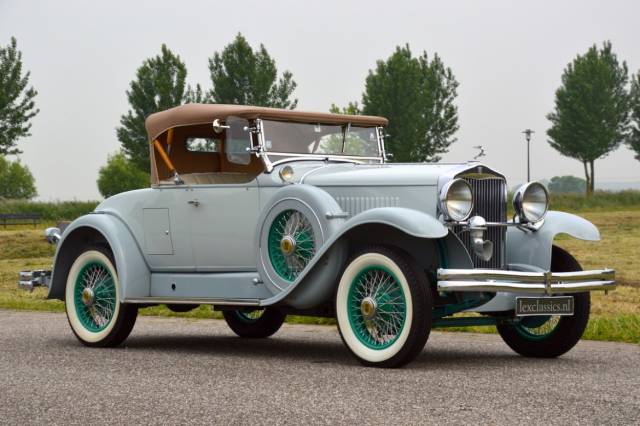
1929 | Hupmobile Model M
Create search alert
Let yourself be notified as soon as a listing is published that matches your search filters.
Create listing
Do you have a Hupmobile Model M that you want to sell? Then create a listing now.
Create listingHupmobile Model M Classic Cars: Prices & Market Values
History of the Hupmobile Model M
The Hupmobile Model M traces its roots back to the progressive automotive climate of the 1910s in Detroit. Produced by the Hupp Motor Car Company, the Model M was conceived during a time when many manufacturers sought to balance reliability, affordability, and technological ambition. Hupmobile positioned the Model M as an answer to the growing demand for robust vehicles suitable for varied driving conditions, whether urban or rural. Emerging during the brass era, the car established a reputation for mechanical dependability and solid construction, contributing to Hupp's growing traction in the American car market of its time.
Model Series History
The Model M was part of Hupmobile’s evolving product range, following earlier models designed by Bobby Hupp, who was known for emphasising durability and ease of operation. The Model M built on existing Hupmobile strengths, incorporating subtle upgrades over prior models. Succeeding generations would later transition further into more refined engine configurations and broader bodywork offerings, but the Model M stands as an exemplar of pre-war engineering focus within the Hupmobile line-up.
Highlights and Market Share of the Hupmobile Model M
Among pre-war American saloons, the Hupmobile Model M maintained a notable position with buyers who valued mechanical simplicity and reliability. Its robust construction, live axle setup, and quality components gave it an edge on rougher roads of the time. Although Hupmobile offered several models, the Model M represented a key segment, balancing price and practical features for early motorists.
Technical Data
Special Editions and Collectible Models
Due to the limited information, there are no documented factory special editions within the Model M line. Nonetheless, some variants featured period-specific bodywork tailored by local coachbuilders, which can enhance collectability depending on provenance and originality.
Weak Spots and Common Issues
No specific factory data on weak spots is available, but owners of brass-era Hupmobiles typically contend with age-related challenges such as fuel system corrosion, ignition reliability and fragile wiring. Period-correct replacement parts can require specialist sourcing. Maintaining correct chassis lubrication and ensuring wood frame elements (if present in some bodies) are structurally sound are essential steps for longevity.
Engine, Performance, Transmission and Handling
The Model M’s side-valve four delivers period-appropriate power, primarily prioritising steady torque for ease of use rather than outright speed. The three-speed manual gearbox offers direct, mechanical shifting feel, characteristic of pre-synchronised transmissions. Road behaviour reflects the era, with ride comfort depending on the condition of leaf springs and period tyres. Its slow but steady handling offers a hands-on driving experience that stands in stark contrast to modern vehicles. Among the Hupmobiles, the Model M is regarded as a classic pre-war driving machine, standing alongside contemporaries like the Model 20 or Model K within the maker’s range. The specifications and mechanical layout are best appreciated by drivers interested in the authentic behaviours of early 20th-century automobiles.
Interior, Comfort, Exterior and Design
The Model M’s design is defined by its upright stance, relatively tall beltline and exposed running gear. Early bodywork was produced in both open and semi-enclosed styles, often with minimal ornamentation and practical accommodation for four or more occupants. Interior materials typically comprised durable leather or leatherette for the seating surfaces, while instrumentation was basic but robust. Some restored examples feature wood interior trim and brass or nickel-plated detailing, reflecting the customisation characteristic of early motoring. Accessories of the time might have included acetylene or electric lighting, period horns and basic weather protection elements. Paintwork was often simple, but could be upgraded depending on client requests or later restorations.
Other Features
During its era, the Hupmobile Model M occasionally appeared with bodywork adapted by independent coachbuilders, which can influence both value and provenance today. Some vehicles found their way into early fleet or commercial service, testament to their practical capabilities and sturdy design.
Summary
The Hupmobile Model M offers a unique opportunity to experience the pre-war American motoring scene. With robust construction, authentic period engineering, and rare market presence today, it holds special significance for historic car enthusiasts focusing on early 20th-century technology and craftsmanship.