Humber Pullman classic cars for sale
The Humber Pullman, introduced in 1930, stands as a testament to British pre-war engineering, offering classic limousine luxury in a long-wheelbase format. As a successor to the Humber 20/65 hp and an extended variant of the Snipe, the Pullman excels in period authenticity, spaciousness, and understated technical refinement. Enthusiasts value its unique position in British motoring history and distinctive presence in the classic car landscape.
Résultats de la recherche
À l'heure actuelle, il n'y a pas d'annonces correspondant à votre recherche.
Create search alert
Let yourself be notified as soon as a listing is published that matches your search filters.
Create listing
Do you have a Humber Pullman that you want to sell? Then create a listing now.
Create listingHumber Pullman listing references from Classic Trader
Below you will find listings related to your search that are no longer available on Classic Trader. Use this information to gain insight into availability, value trends, and current pricing for a "Humber Pullman" to make a more informed purchasing decision.

1951 | Humber Pullman
1951 Humber Super Snipe Mk. III
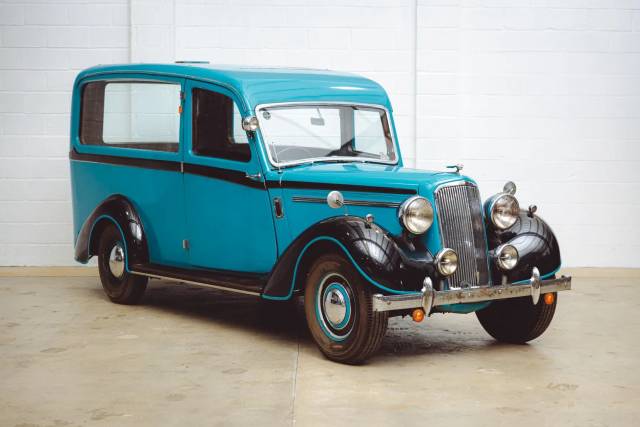
1953 | Humber Pullman
Rare & Interesting Classic - Needs Recommission
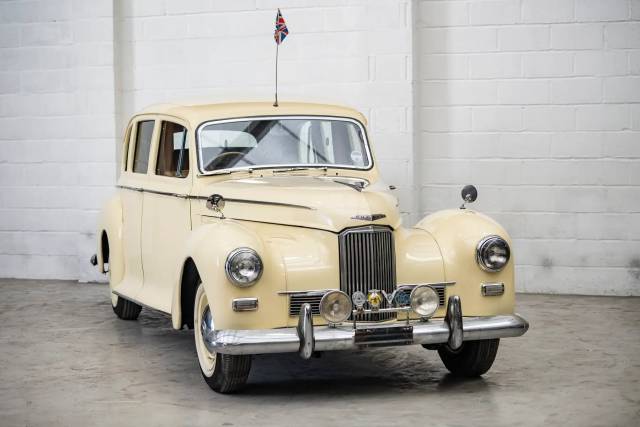
1951 | Humber Pullman
Winston Churchill's Choice - No Reserve
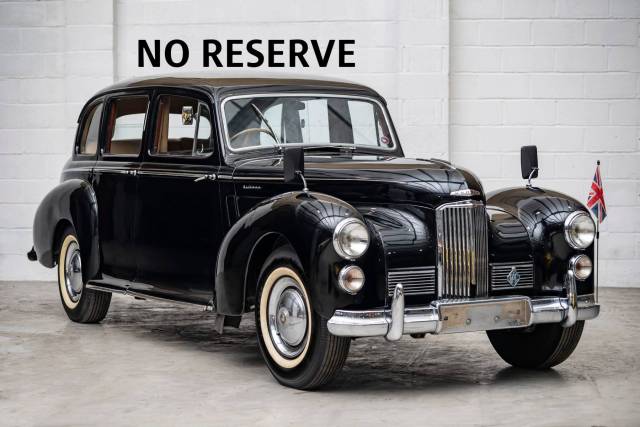
1949 | Humber Pullman
Magnificent - Stately - Great Condition
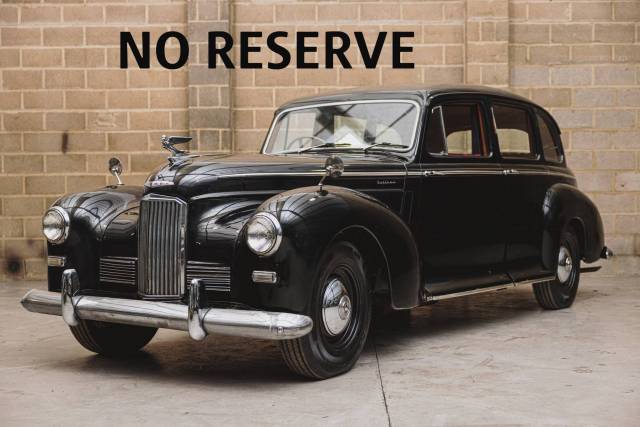
1951 | Humber Pullman
Lovely Original Example - Recommission Required
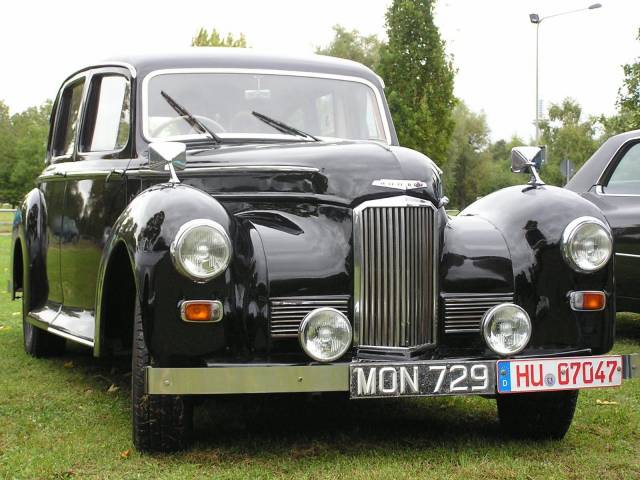
1951 | Humber Pullman
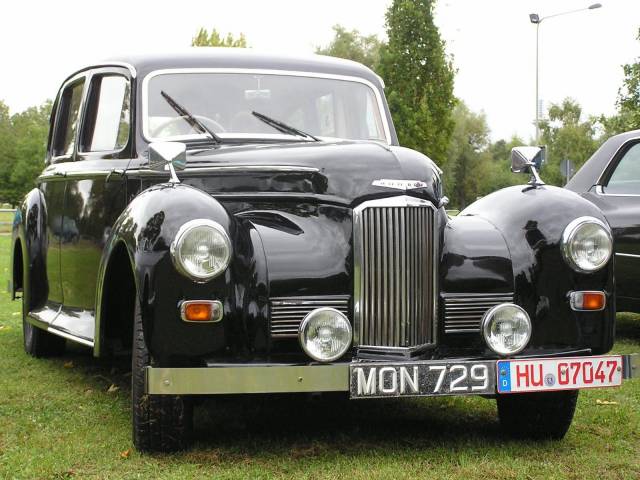
1952 | Humber Pullman
Humber Pullmann MK ||| Oldtimer Rarität
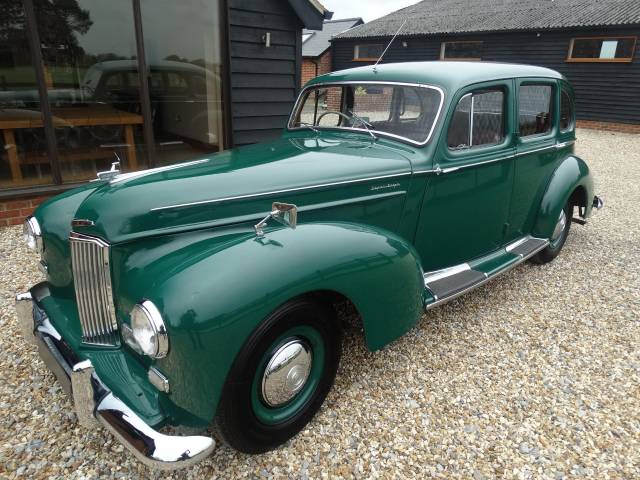
1952 | Humber Pullman
SUPER SNIPE
Create search alert
Let yourself be notified as soon as a listing is published that matches your search filters.
Create listing
Do you have a Humber Pullman that you want to sell? Then create a listing now.
Create listingHumber Pullman Classic Cars: Prices & Market Values
History of the Humber Pullman
The Humber Pullman debuted in 1930 as Humber's flagship limousine, replacing the Humber 20/65 hp and positioned as the long-wheelbase alternative to the Snipe. Designed to cater to the interwar demand for chauffeur-driven luxury, the Pullman established itself with state limousines and high-end private fleets. Its production marks an era where bespoke British motoring and unhurried comfort took precedence, showcasing the nation’s move towards larger, more imposing saloons. Throughout its years, the Pullman consistently embodied Humber's reputation for solid engineering, dependable performance, and dignified styling.
Model History
Beginning as a replacement for two notable predecessor vehicles, the Pullman established an identity distinct from the regular Snipe by offering a greater wheelbase and interior volume. Over successive generations, the Pullman saw various updates, leading to the Mark II variant, which holds a nearly equal representation in supply and slightly higher visibility in demand. There is no direct modern successor; the Pullman remained one of the last great British built chauffeur limos before the market shifted towards post-war models from other manufacturers.
Highlights of the Humber Pullman
The Pullman stands out through its stately dimensions, high level of passenger comfort, and a design tailored for those who sought understated British grandeur rather than ostentation. Signature long-wheelbase chassis, four-door coachwork, and thoughtful interior appointments made it a prime choice for period government officials and dignitaries. Unique among large saloons of its era, the Pullman offered a blend of artisanal coachbuilding and reliable drivetrain technology from one of Britain's established brands.
Technical Data
Special Editions and Collectable Models
The Mark II is the principal distinct version within the Pullman lineup, featuring incremental technical improvements and subtle design updates over earlier models. While there are no known factory-limited editions or commemorative releases, individual vehicles often feature bespoke coachwork or interior specifications commissioned by their original owners, contributing to the unique character of the surviving examples.
Engine and Performance, Transmission and Handling
The Pullman’s performance profile aligns with its intended role as a luxurious touring limousine. Engines are engineered for torque and longevity rather than outright speed, paired with reliable transmission systems suited to period driving demands. Handling is stately, designed for stable, comfortable cruising rather than agile manoeuvring. Maintenance intervals are dictated by low-revving engines, and serviceability often depends on the availability of specialist knowledge or parts. Mark II: Notable for higher demand share (52%), the Mark II brings improved mechanical and minor cosmetic updates, making it the enthusiast’s choice amongst Pullman variants.
Interior, Comfort, Exterior and Design
The Pullman’s design cues are deeply rooted in British luxury limousine tradition. Coachbuilt exteriors exhibit clean lines and restrained chrome detailing. Interiors feature quality wood veneers, high-grade upholstery, and options for separation between driver and passengers, reflecting its role as a chauffeur-driven model. Seat layouts and accessory options often vary, influenced by original buyer’s specifications. Exterior colours were typically conservative, in keeping with pre-war British tastes, with dark shades and two-tone schemes dominant. Accessories such as period radios, folding tables, and privacy screens are typical of high-specification cars.
Other noteworthy details
A select number of Humber Pullmans have participated in historical events, serving VIP and governmental functions in Britain. Surviving cars represent significant pieces of British automotive craftsmanship and socio-political history, particularly those with known provenance.
Summary
The Humber Pullman, occupying a rare niche among British pre-war limousines, combines understated luxury, technical solidity, and historical significance. Its presence in the classic car market is evenly split between early models and the technically refined Mark II, with the latter drawing marginally higher interest. Best suited for enthusiasts seeking an authentic British limousine experience, the Pullman offers a tactile connection to the era of hand-built, stately saloons.