- Car
- Hispano-Suiza
- Hispano-Suiza H6B (0 offers)
Hispano-Suiza H6B classic cars for sale
The Hispano-Suiza H6B stands as a showcase of early 1920s engineering, blending a robust six-cylinder engine with remarkable coachbuilt luxury. Produced in limited numbers, each model is notable for its technical sophistication and historical relevance, making it a favourite for connoisseurs of pre-war automobiles.
Search results
Currently, there are no matching listings for your search.
Create search alert
Let yourself be notified as soon as a listing is published that matches your search filters.
Create listing
Do you have a Hispano-Suiza H6B that you want to sell? Then create a listing now.
Create listingHispano-Suiza H6B listing references from Classic Trader
Below you will find listings related to your search that are no longer available on Classic Trader. Use this information to gain insight into availability, value trends, and current pricing for a "Hispano-Suiza H6B" to make a more informed purchasing decision.
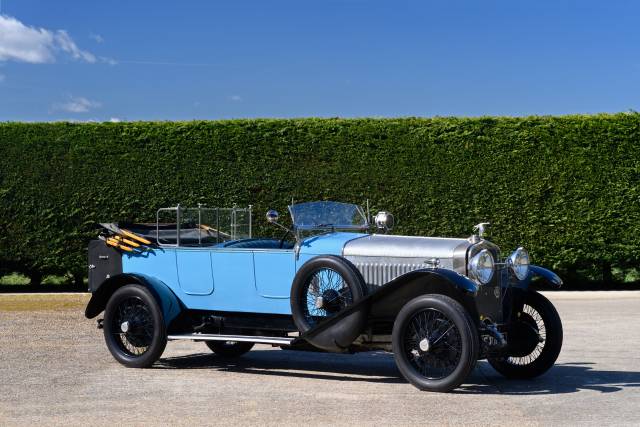
1921 | Hispano-Suiza H6B

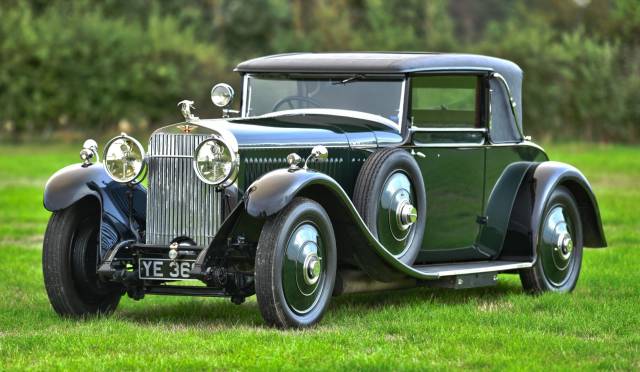
2018 | Hispano-Suiza H6B
Park Ward foursome Coupe. -
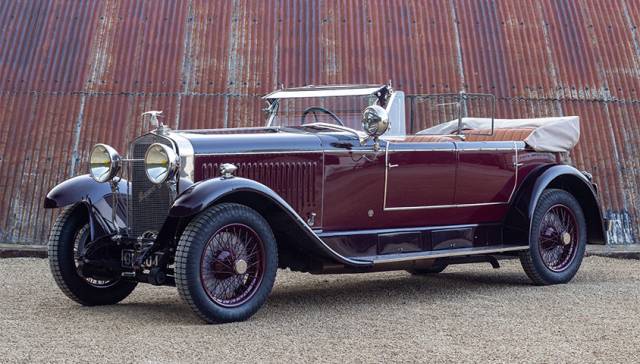
1926 | Hispano-Suiza H6B
Double-Phaëton by Million-Guiet
Create search alert
Let yourself be notified as soon as a listing is published that matches your search filters.
Create listing
Do you have a Hispano-Suiza H6B that you want to sell? Then create a listing now.
Create listingHispano-Suiza H6B Classic Cars: Prices & Market Values
History of the Hispano-Suiza H6B
Hispano-Suiza launched the H6 series shortly after World War I, choosing the H6B variant as its refined successor to the ground-breaking H6. Emerging from the marque's French operations, the H6B debuted in the early 1920s and instantly set itself apart with its aviation-inspired engineering and unrivalled build quality. Engineers drew on Hispano-Suiza's wartime aero engine expertise, resulting in a car that quickly became prized among heads of state and industrial magnates. The H6B not only represented luxurious travel but also demonstrated what was technically possible in an era defined by rapid innovation.
Model History
The H6B follows the original H6, retaining the foundational architecture but with significant mechanical improvements, particularly in the braking system and engine. The model series includes saloons, convertibles, and bespoke coachbuilt models by famed ateliers, each tailored to the demands of its elite clientele. Successors in the H6 lineage include the even more elaborate H6C, further elevating displacement and power. The H6B’s production era saw the marque reach its peak as a supplier of luxurious, technically advanced automobiles.
Highlights of the Hispano-Suiza H6B
A key feature of the H6B is its inline six-cylinder, overhead camshaft engine, which was directly derived from Hispano-Suiza's renowned aircraft motors. The car was among the first to use servo-assisted brakes—an innovation licensed to Rolls-Royce. Most examples embody custom coachwork from renowned names such as Henri Chapron and Kellner, resulting in significant individuality from car to car. Beautifully constructed details, from intricate radiator mascots to exquisite interior trim, set these vehicles apart in concours circles.
Technical Data
Special Editions and Collectible Models
Many H6Bs are unique due to their custom coachbuilt bodies. Some models by Chapron, Kellner, and Saoutchik are considered especially desirable due to their limited numbers and the prestige of their ateliers. Significant provenance or period racing modifications can also distinguish individual examples.
Weak Spots and Common Issues
As with any hand-built early 20th-century car, the H6B demands meticulous maintenance. The alloy engine block can be susceptible to corrosion if anti-freeze standards are not seriously observed. Brake servos, if poorly maintained, may lose effectiveness. Sourcing original coachbuilt parts poses challenges, and buyer diligence should focus on verifying body and chassis numbers as well as confirmed mechanical overhauls.
Engine and Performance, Transmission and Handling
The 6.6-litre engine delivers smooth and refined power for its era, capable of propelling the substantial chassis with authority. The servo-assisted four-wheel brakes contribute notably to safety, a rare trait for the period. The ride benefits from a long wheelbase and well-designed suspension, promoting both comfort and composure even at sustained touring speeds. Gear changes are relatively smooth for the period, but the respectable weight and size of most examples necessitate anticipation in driving. Coachbuilt sedans and town cars by Chapron and Kellner often feature mechanical modifications such as twin-carburettors or unique gearing, which further distinguish their road manners and collect desirability.
Interior, Comfort, Exterior and Design
Each H6B is a testament to the coachbuilder’s art. Henri Chapron and Saoutchik produced elaborate bodies, often with sweeping fenders, polished metalwork, and unique hood ornaments. Interiors typically feature lavish wood inlays and high-grade leather, tailored for quiet, dignified travel. Accessories such as integrated trunk sets, bespoke tools, and multi-adjustable window and roof sections further express the individuality of each model.
Other relevant features
Several H6Bs have period race histories or were displayed at notable salons in Paris or Geneva, lending them historic interest. The model’s technical components influenced other manufacturers, and at times, running gear has been adopted in historic competition vehicles.
Summary
The Hispano-Suiza H6B is a commanding example of 1920s luxury engineering. Each example reflects a blend of aviation-derived technology and bespoke artistry, with critical attention to mechanical detail and aesthetic sophistication. Its position as the sole Hispano-Suiza series actively traded on the market underscores its status among collectors and historians of early motoring.