Gwynne 10 HP classic cars for sale
The Gwynne 10 HP stands out as a British light car from the early 1920s, embodying a blend of technical elegance and historical significance. Known for its compact engine and distinctive engineering, this model has secured its place among pre-war automotive enthusiasts.
Search results
Currently, there are no matching listings for your search.
Create search alert
Let yourself be notified as soon as a listing is published that matches your search filters.
Create listing
Do you have a Gwynne 10 HP that you want to sell? Then create a listing now.
Create listingGwynne 10 HP listing references from Classic Trader
Below you will find listings related to your search that are no longer available on Classic Trader. Use this information to gain insight into availability, value trends, and current pricing for a "Gwynne 10 HP" to make a more informed purchasing decision.
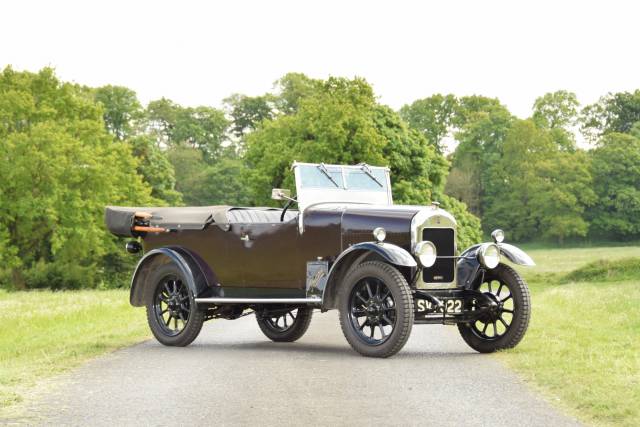
1927 | Gwynne 10 HP
The only Gwynne 10
Create search alert
Let yourself be notified as soon as a listing is published that matches your search filters.
Create listing
Do you have a Gwynne 10 HP that you want to sell? Then create a listing now.
Create listingGwynne 10 HP Classic Cars: Prices & Market Values
History of the Gwynne 10 HP
The Gwynne 10 HP was first produced during the 1920s by Gwynne Engineering, a company with deep roots in the British automotive and aviation sectors. Initially based in Chiswick, London, Gwynne leveraged its engineering experience from marine and aviation fields to design cars that were innovative for their time. The 10 HP entered the market amidst a growing demand for reliable and economical vehicles, aimed largely at educated young professionals and small families. Although production numbers were limited compared to larger manufacturers, Gwynne cars were well-regarded for their distinctive engineering, including the use of lightweight construction techniques and innovative engine layouts.
Model History of the Gwynne 10 HP
The 10 HP model marked a step up from earlier, less powerful creations by Gwynne. With a focus on reliability and affordability, Gwynne positioned the 10 HP as a solid competitor in the rapidly expanding British light car market of the 1920s. There were subtle variations across production years, but the mechanical layout and core engineering principles remained consistent throughout its production cycle. Successive models saw incremental improvements in chassis stiffness, ease of maintenance, and overall driveability, building Gwynne’s reputation in the niche of bespoke British automobiles. The company's combination of innovative design and low production volume makes survivors particularly interesting for collectors and historians.
Highlights of the Gwynne 10 HP
The Gwynne 10 HP is noted for several unique features: an innovative overhead valve engine configuration for its class and era, lightweight aluminum components, and advanced cooling techniques for better efficiency. The transmission design allowed smoother operation compared to many competitors at the time, and the car's compact footprint made it especially practical for city and country driving alike.
Technical Data
Special Editions and Collectible Models
While the Gwynne 10 HP was not produced in multiple official special editions, certain coachbuilt versions with bespoke bodies by period coachbuilders occasionally appear in the market. These examples, often ordered by affluent clientele, feature unique interiors and exterior designs. Survivors of these configurations are highly valued among historians and devoted collectors due to their scarcity and custom craftsmanship.
Weak Spots and Common Issues
Owing to its age and unique construction, the Gwynne 10 HP presents some well-known issues. Owners should pay particular attention to the wear on aluminum engine and suspension components, which were pioneering but less durable than contemporary steel parts. Cooling system corrosion and carburettor wear are frequent challenges. Due to the rarity of original parts, some restoration projects require custom fabrication. Regular lubrication of the mechanical brakes and inspection for chassis corrosion is critical to maintaining safe operation.
Engine and Performance, Transmission and Handling
The 1247 cc inline-four engine delivers modest output, but the Gwynne’s lightweight construction ensures lively response at city speeds for a car from the 1920s. Manual steering, non-synchromesh transmission, and rear-wheel braking require a firm hand and traditional motoring skills. While not suited for modern traffic, the 10 HP rewards patient drivers with a uniquely analog and mechanical driving experience. Among surviving models, coachbuilt variants by period British specialists such as Mulliner occasionally attract particular attention, largely due to their unique aesthetics and even greater scarcity. Most examples on the market are standard factory-bodied versions.
Interior, Comfort, Exterior and Design
The design of the Gwynne 10 HP reflects early-20th-century British tastes: narrow bodywork, exposed cycle wings, and minimalistic dashboards with period-appropriate instrument layouts. Materials such as wood and leather, often hand-installed, dominate the interior. Special factory accessories were rare, but some cars were retrofitted in period with extra lighting or distinct paint schemes. Body colours typically followed conservative British palettes of the 1920s, but custom-bodied examples might feature unique paint and trim specified by first owners.
Other Noteworthy Features
Due to the small production numbers, each Gwynne 10 HP often bears evidence of its unique history: non-standard accessories, period repairs, or local coachbuilder modifications. Surviving documents, registration records, and period advertisements can add significant value and help reconstruct individual vehicle histories.
Summary
The Gwynne 10 HP stands as an authentic representation of British light car engineering from the 1920s, combining a technically innovative spirit with a distinct design language. Due to its rarity and historical interest, it attracts collectors and enthusiasts committed to preserving early automotive history and the unique stories of pre-war motoring.