Goliath F200 Classic Cars for Sale
The Goliath F200 stands out as a rare, utilitarian three-wheeled transporter that shaped delivery logistics for companies in the 1930s to 1950s. Purpose-built for reliable goods transport, it combines unique engineering solutions with a no-frills approach to driver comfort and equipment.
Search results
Currently, there are no matching listings for your search.
Create search alert
Let yourself be notified as soon as a listing is published that matches your search filters.
Create listing
Do you have a Goliath F200 that you want to sell? Then create a listing now.
Create listingGoliath F200 listing references from Classic Trader
Below you will find listings related to your search that are no longer available on Classic Trader. Use this information to gain insight into availability, value trends, and current pricing for a "Goliath F200" to make a more informed purchasing decision.
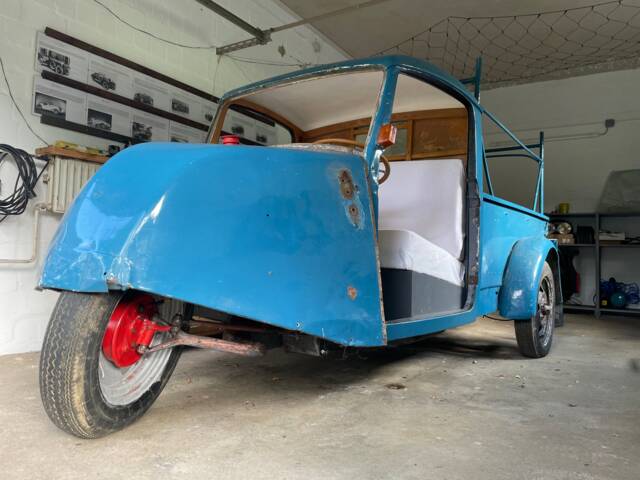
1938 | Goliath F200 Pritsche
skurrile Rarität

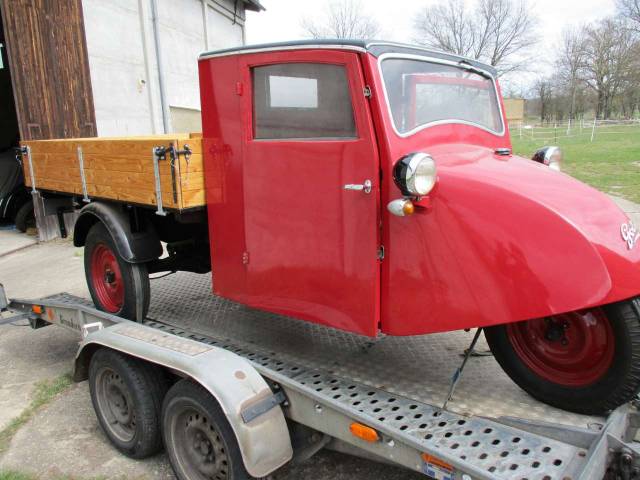
1938 | Goliath F200 Pritsche
Wartburg Framo Goliath F 200
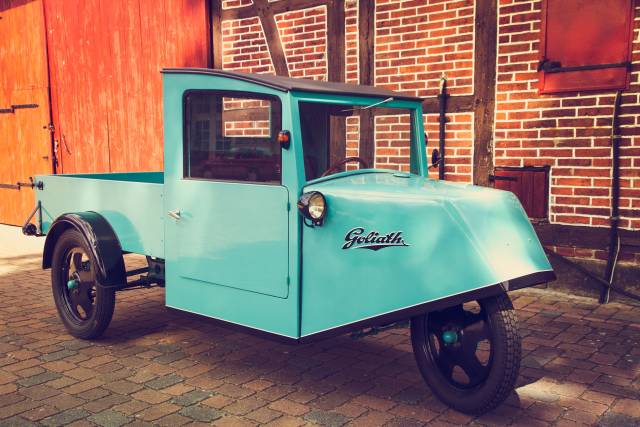
1933 | Goliath F200 Pritsche
Ein Traum in Himmelblau
Create search alert
Let yourself be notified as soon as a listing is published that matches your search filters.
Create listing
Do you have a Goliath F200 that you want to sell? Then create a listing now.
Create listingGoliath F200 Classic Cars: Prices & Market Values
History of the Goliath F200
The Goliath F200 was introduced by the Bremen-based Hansa-Lloyd and Goliath Company Borgward & Tecklenborg as a rugged and affordable three-wheeled commercial vehicle. Rooted in the streamlined design of the Goliath Pionier passenger car, the F200 adopted a compact, timber-framed wooden cab, providing essential shelter and practicality for fleets active in Germany's rapid industrial growth during the early to mid-twentieth century. It quickly gained a foothold with small businesses and tradesmen, delivering goods reliably in challenging urban and rural environments alike.
Model History
The F200 followed the success of early Goliath light vehicles and transporters, gradually evolving from the Goliath Pionier, which featured similar three-wheeled architecture. While the F200 was primarily produced and sold through the 1930s to 1950s, it laid the groundwork for larger and more powerful Goliath commercial vehicles that appeared as multi-wheeled successors. The straightforward design language and utilitarian build defined its segment during its production run.
Highlights of the Goliath F200
Standout features include its remarkable loading area for its class, making it an efficient workhorse in transporting goods such as spirits and groceries. The cabin, by contrast, was minimized for just the essentials, including a single-instrument dashboard and only a window winder for the driver. Ingenious design meant the driving seat was positioned above the engine, providing impromptu seat heating—essential during harsh winters, notably in the immediate post-war period. Today, the visual impact and authenticity of the F200 keep it in active use as a collector's piece or company promotional vehicle. The F200 is more than a curiosity; it is an enduring link to mid-century German commercial history.
Technical Data
Special Editions and Collectible Models
There is no record of official limited or special editions for the Goliath F200. However, originality, condition, and retained company liveries enhance its appeal among collectors today.
Weak Spots and Common Issues
Information on specific F200 weaknesses is limited. As with many historic commercial vehicles, wood cab decay, chassis corrosion, and wear in load-bearing components should be inspected carefully. Mechanical simplicity means repairs are feasible for experienced enthusiasts, but sourcing authentic parts may require patience.
Engine and Performance, Transmission and Handling
Performance in the Goliath F200 is built around reliable, low-cost operation for deliveries and short-haul freight. The three-wheeled layout demands particular care when cornering, especially under full load. With minimal driver aids and basic suspension, the vehicle's focus is unmistakably on utility over comfort or speed. The single-instrument dashboard and direct cabin heating from the engine are distinctive, while the compact wheelbase allows for impressive manoeuvrability in tight urban spaces.
Interior, Comfort, Exterior and Design
Inside, the F200 is pared down to the essentials—a utilitarian instrument cluster and just one window winder reflect post-war resourcefulness. The cabin is engineered for function rather than comfort, enhanced only by the heat from the engine under the seat. Exteriors, often seen in period company colours or logos, make each F200 a rolling testament to bespoke company history. The truck's signature three-wheeled form, wooden framing, and minimalist lines set it apart visually in any classic vehicle gathering.
Other Features
The F200's adaptability has led owners to preserve and repurpose these vehicles as mobile advertisements or showpieces, cementing its place as a symbol of enterprise and post-war recovery in Germany.
Summary
The Goliath F200 delivers practical historic value as a tough, no-nonsense goods transporter. Its unique engineering, utilitarian features, and role in German economic history ensure it stands out wherever it appears, whether in working condition or as a piece of living heritage.