GMC Sprint classic cars for sale
The GMC Sprint, produced between 1971 and 1977, stands out as GMC's distinct take on the American coupe utility, sharing its roots with the Chevrolet El Camino but featuring unique trim and options. Combining muscle car performance with pickup practicality, the Sprint is highly regarded for its V8 engines, classic rear-wheel-drive layout, and characteristic design elements. Its limited production makes any surviving examples especially sought-after among classic American car fans.
Resultados de la búsqueda
Actualmente no hay anuncios que coincidan con su búsqueda.
Create search alert
Let yourself be notified as soon as a listing is published that matches your search filters.
Create listing
Do you have a GMC Sprint that you want to sell? Then create a listing now.
Create listingGMC Sprint listing references from Classic Trader
Below you will find listings related to your search that are no longer available on Classic Trader. Use this information to gain insight into availability, value trends, and current pricing for a "GMC Sprint" to make a more informed purchasing decision.
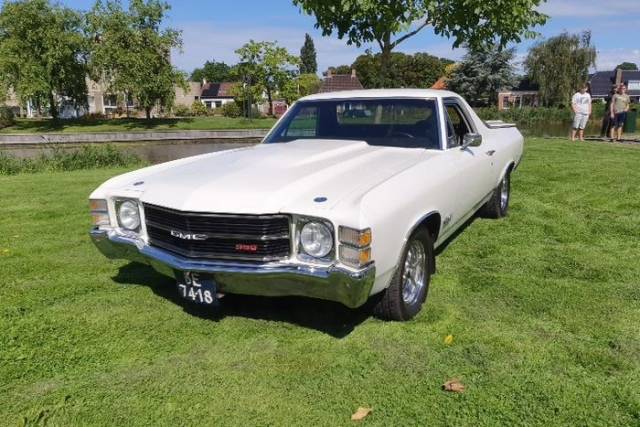
1971 | GMC Sprint
Create search alert
Let yourself be notified as soon as a listing is published that matches your search filters.
Create listing
Do you have a GMC Sprint that you want to sell? Then create a listing now.
Create listingGMC Sprint Classic Cars: Prices & Market Values
History of the GMC Sprint
The GMC Sprint emerged in 1971 as GMC's interpretation of the coupe utility/pickup, a niche already popularised by the Chevrolet El Camino. While clearly playing in the same arena, the Sprint differentiated itself through exclusive GMC trim levels, emblems, and styling details. The design borrowed elements from the Chevelle, avoiding wagon characteristics and focusing instead on the rugged yet sporty utility-car ethos. Manufactured on the GM A platform until 1981 and then on the G platform, the Sprint underwent only subtle changes through its production run. It was ultimately renamed the Caballero in 1978 following a mild facelift, continuing through to 1987, but never lost its connection to its Chevelle and El Camino heritage.
Model Evolution
The Sprint filled the market space for a more upmarket alternative to the El Camino, starting its production run in 1971. Early models featured robust V8 engines with up to 270 horsepower and a range of technical features, including innovative emissions controls that, while ahead of their time, did impact overall power. The transition in 1978 to the Caballero name signalled a shift in technical upgrades: by 1981, a four-speed automatic was available, and by 1985, the move to fuel injection enhanced the V8's performance to 150 horsepower—marking a departure from carburettors and underlining GM's push for technical excellence in this segment.
Key Features and Unique Characteristics
The GMC Sprint's appeal lay in its successful fusion of American muscle car spirit and practical utility. Distinct from its Chevrolet sibling, the Sprint was furnished with GMC-specific touches—unique badging, wheel trims, and luxury-oriented options. It often featured power steering, disc brakes, and power-assisted braking systems. The model is especially recognised for the 1971 edition, which sits at the intersection of muscle car power and pickup versatility. Its limited production numbers and specific features contribute to its growing acclaim among classic truck and car communities.
Technical Data
Special Editions and Collectible Models
Specific limited editions of the GMC Sprint are rare in surviving documentation. However, the early V8 models from 1971, due to their power output and first-year status, are often most valued among enthusiasts. Further rarity is associated with well-equipped examples featuring high-output engines, original luxury trim, and factory options such as air conditioning or upgraded interiors.
Engine, Performance, Transmission and Handling
The GMC Sprint earned its standing as a muscle utility with its V8 engine lineup, ranging up to 270 horsepower in early '70s examples. Later Sprints, especially after the Caballero transformation, benefited from a technically advanced fuel-injection system, though at a lower peak output. Rear-wheel-drive dynamics and a robust chassis endowed the Sprint with reliable handling—well-matched for both hauling loads and spirited driving. The move to four-speed automatics in the early 1980s modernised the driving experience. Power steering and disc brakes, present on many models, further improved comfort and safety in daily use. Noteworthy variants include the 1971 Sprint with the high-output V8 and early Caballero-badged models with fuel-injected engines—each offering their own technical advantages to collectors and drivers alike.
Interior, Comfort, Exterior and Design
The GMC Sprint's design follows the template of early '70s American coupe utilities, merging car-like comforts with utilitarian form. Interiors featured a blend of functional materials and upmarket features, especially in vehicles specified with higher trim levels. Exteriors are distinguished by GMC-specific emblems, grille designs, wheel trims, and sometimes specific colour schemes or two-tone paint options. Factory options could include upgraded upholstery, additional instrumentation, and luxury features not common in standard pickups of the era. The model was renowned for its ability to combine rugged appeal with surprising refinement in finish and accessories.
Other Features
Some Sprinter models may come equipped with vintage air conditioning, period-correct radios, and dealer-installed extras that further differentiate survivors today. Documentation of original options and provenance can significantly enhance the appeal for collectors.
Summary
The GMC Sprint stands as a classic example of American ingenuity, pairing muscle car credentials with pickup utility. Its relatively limited production run, distinct technical features, and close relationship to the El Camino and Chevelle platforms make it a cornerstone for collectors seeking something unique among classic utility vehicles. Surviving examples, especially from the early 1970s and those equipped with high-end factory options, continue to attract enthusiasts who value both performance and heritage.