GAZ Volga classic cars for sale
The GAZ Volga, produced in the Soviet Union from the mid-1950s, was not only a preferred executive sedan but also played prominent roles at the 1980 Moscow Olympics, as government transport, and as taxis. Many surviving examples today retain original Soviet-era details, making them a real discovery for enthusiasts keen on automotive history and preservation.
Search results
Currently, there are no matching listings for your search.
Create search alert
Let yourself be notified as soon as a listing is published that matches your search filters.
Create listing
Do you have a GAZ Volga that you want to sell? Then create a listing now.
Create listingGAZ Volga listing references from Classic Trader
Below you will find listings related to your search that are no longer available on Classic Trader. Use this information to gain insight into availability, value trends, and current pricing for a "GAZ Volga" to make a more informed purchasing decision.
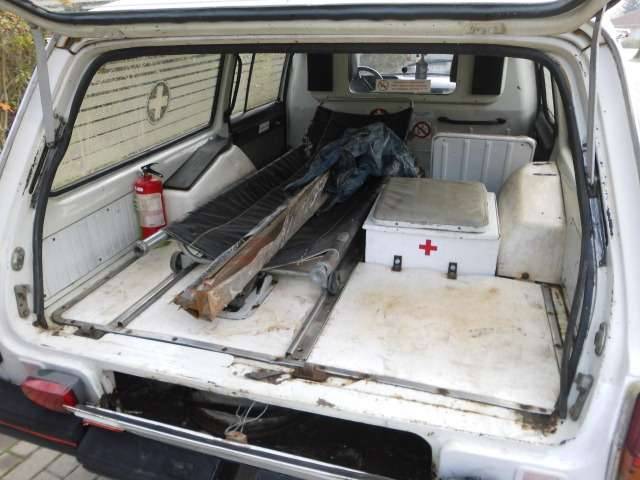
1990 | GAZ Volga 24-13
GAZ 2412 Wolga Modell 24 13 Sanitätskrankenwagen

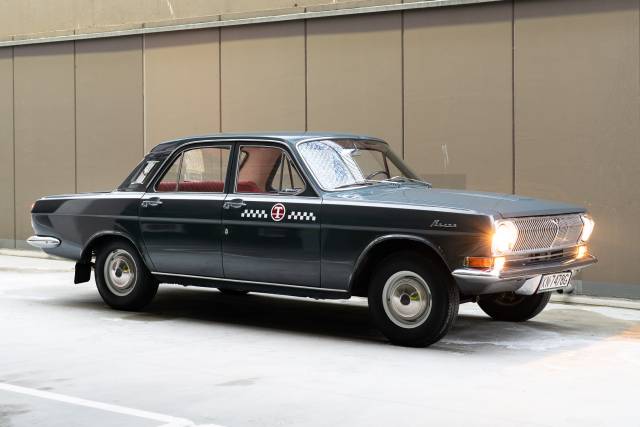
1972 | GAZ Volga 24-10
The original taxi from the 1980 Olympic Games

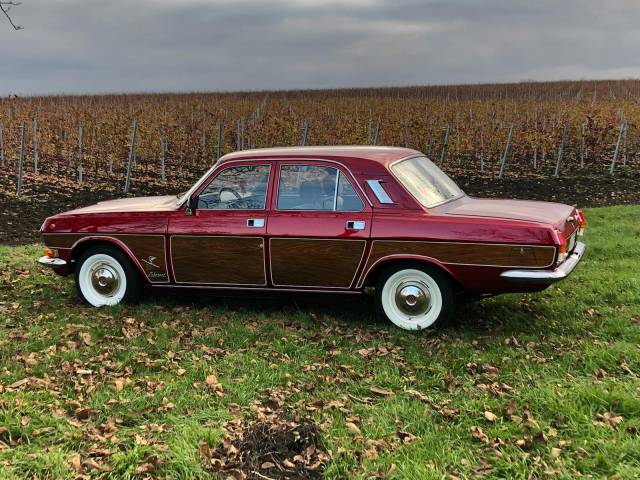
1989 | GAZ Volga 24-10

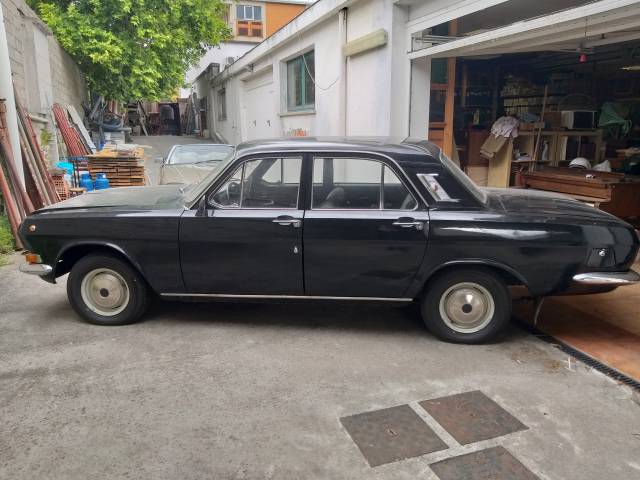
1985 | GAZ Volga 24-10
Black Govt Volga

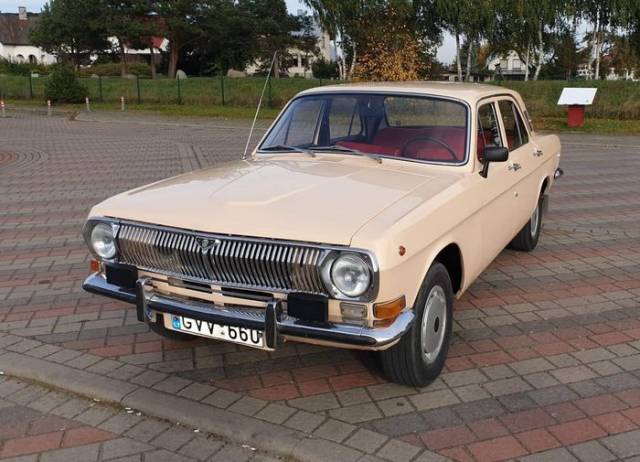
1984 | GAZ Volga 24-10

Create search alert
Let yourself be notified as soon as a listing is published that matches your search filters.
Create listing
Do you have a GAZ Volga that you want to sell? Then create a listing now.
Create listingGAZ Volga Classic Cars: Prices & Market Values
History of the GAZ Volga
The GAZ Volga entered production in 1956 to take over from the GAZ Pobeda as the leading Soviet executive vehicle. Designed for government agencies and the Soviet elite, the Volga was more than a car—it represented status and authority. Over time, the Volga formed part of the visual cultural memory of the USSR, especially as it frequently appeared in news reports, films, and political events. The vehicle’s role extended to special functions, such as transporting dignitaries during the 1980 Moscow Olympics and serving as taxis across Eastern Europe, further establishing its image in the public sphere.
Model History of the GAZ Volga
The Volga lineage began with the original GAZ M21, succeeded by the GAZ-24 which defined the classic look associated today with the model series. The GAZ-24, most commonly found today, was produced from the late 1960s through the 1980s and is best known for its robust construction and simple, reliable engineering. Later versions and facelifts retained the basic layout with incremental improvements. The Volga maintained its image right up until its last iterations, before GAZ shifted its focus to new vehicle concepts in the post-Soviet era.
Highlights of the GAZ Volga
GAZ Volga models consistently feature bodywork using substantial sheet metal, straightforward engineering, and interiors that often remain in original Soviet-era specification—including original seating and radios. Black and other period-correct exterior colours are particularly prized by collectors. Volga cars were frequently carefully maintained and kept in garages for extended periods, which contributes to their strong state of preservation today. Restoration projects are usually highly authentic, with typical treatments including sandblasted chassis and reconditioned suspension components. These aspects have helped preserve the Volga’s historical and technical authenticity.
Technical data for the GAZ Volga
Special Editions and Collectible GAZ Volga Models
Some GAZ Volga 24s gain attention due to their roles in historic events—such as being used for the transport of Olympic dignitaries in 1980—or as taxis. These variants are particularly sought after when all equipment remains original, including colour schemes and interior detailing. Limited series or specially equipped cars for government services are also valued among collectors.
Engine, Transmission, and Handling of the GAZ Volga
The Volga family stands out for its mechanical simplicity and reliability. The engines, typically originating from the Soviet era, are praised for their ease of maintenance and resilience to varying road conditions. Manual gearboxes and robust chassis designs enable Volga cars to handle long distances as well as the rugged surfaces commonly encountered in Eastern Europe. Handling characteristics are tuned for comfort rather than sport, with a focus on durability and predictable behaviour even after decades of use. - GAZ-24: Most represented in supply and demand statistics. Known for its sturdy sheet metal, robust original components, and preserved interiors. Frequently restored with authentic practices such as sandblasting the chassis and axle refurbishment.
Design, Interior, and Comfort of the GAZ Volga
Volga interiors typically reflect the utilitarian Soviet approach—functional original seats, period-correct radio sets, and no-nonsense layout. Bodywork, often finished in original colours like black, draws attention among connoisseurs. Accessories tend to remain authentic, with most examples retaining their original Soviet-specification parts. Some surviving cars feature unique colour combinations, with special series painted for governmental or ceremonial uses.
Other Relevant Features
Volgas in good condition often come from classic vehicle collections, mainly offered in markets such as Poland, Lithuania, and Georgia. Attention to originality, including authentic paintwork and preserved Soviet components, is highly valued among buyers. Many cars on the market have seen curated restoration practices aimed at maintaining a high level of originality.
Summary
The GAZ Volga stands as a prime example of 20th-century Soviet automotive engineering, with its background as a state vehicle and use at significant historical events like the 1980 Olympics. Present-day examples often feature original interiors, robust technical components, and careful restorations that prioritise authenticity. The GAZ-24 model is especially prevalent and attracts strong interest on the collector market due to its history and preservation state.