- Car
- Fuldamobil
- Fuldamobil Type S7 (0 offers)
Fuldamobil Type S7 classic cars for sale
The Fuldamobil Type S7 stands out as a distinctive microcar produced in the late 1950s and 1960s. With its compact dimensions, plastic bodywork, rear-engine layout and unique three- or narrow-track four-wheel design, the Type S7 attracts enthusiasts of unconventional engineering and rare classic vehicles.
Search results
Currently, there are no matching listings for your search.
Create search alert
Let yourself be notified as soon as a listing is published that matches your search filters.
Create listing
Do you have a Fuldamobil Type S7 that you want to sell? Then create a listing now.
Create listingFuldamobil Type S7 listing references from Classic Trader
Below you will find listings related to your search that are no longer available on Classic Trader. Use this information to gain insight into availability, value trends, and current pricing for a "Fuldamobil Type S7" to make a more informed purchasing decision.
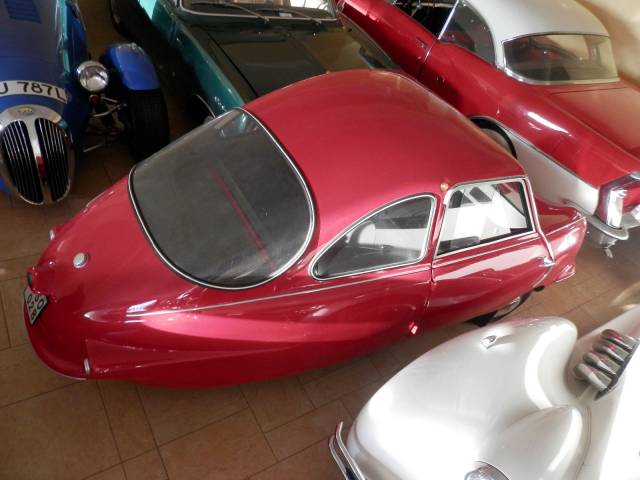
1959 | Fuldamobil Type S7
Fuldamobil Fram King S7 Microcar Threewheeler

Create search alert
Let yourself be notified as soon as a listing is published that matches your search filters.
Create listing
Do you have a Fuldamobil Type S7 that you want to sell? Then create a listing now.
Create listingFuldamobil Type S7 Classic Cars: Prices & Market Values
History of the Fuldamobil Type S7
The Fuldamobil Type S7 was a product of Elektromaschinenbau Fulda GmbH, operating from the mid-1950s through 1969. The firm carved its niche with motorcycles and microcars, especially those with three wheels and minimalist bodies. Designed by Norbert Stevenson, Fuldamobil’s vehicles earned the nickname 'Cello case' among locals, owing to their compact and curvaceous forms. Initial models solely used three wheels, later evolving to a narrow twin-rear-wheel arrangement for added stability. Aluminium bodies in early production gave way to polyester plastics, aligning with the era’s innovations in lightweight mobility. From 1951 to 1969, Fuldamobil produced only 2,900 vehicles, a testament to the marque’s exclusivity. Introduced in 1957 as a successor to the S6, the S7 was produced until 1969, after which Fuldamobil ceased microcar manufacturing without a follow-up model.
Model Evolution of the Type S7
Launched in 1957, the Type S7 replaced the S6 in the Fuldamobil lineup. It maintained the manufacturer's focus on innovative small cars, but brought advancements in both chassis and powertrain. The S7 introduced a wider body, polyester construction, and both three-wheel and four-wheel (narrow-track) layouts. Production continued until 1969, with significant changes in 1965—most notably, a switch to a Heinkel four-stroke engine and cosmetic updates such as a faux radiator grille. No direct successor followed the S7 when Fuldamobil exited automotive production.
Unique Features and Highlights
Distinctively, the Type S7 features a streamlined, cigar-shaped polyester body, suitable for either three or four wheels. The narrow-track rear axle allowed for extremely compact dimensions, and doors hinging on the B-pillar created easy access with a unique aesthetic. Early S7s had a clean, minimalist nose with small headlights, while post-1965 versions sported a new grille for a modernised look. The front luggage compartment and rear-mounted engine are consistent with contemporary microcar concepts.
Technical Data
Special Editions and Collectible Models
Beyond the standard closed saloon, a two-seater roadster variant was produced until 1965, offering an open-top driving experience in the same minimalist body. Fewer examples of the roadster survive, giving them a particular attraction among Fuldamobil enthusiasts.
Weak Spots and Common Issues
Information specific to common technical weak spots is not available. Given the unique plastic chassis and polyester body, and the use of period motorcycle engines, buyers are advised to check for body cracks, mechanical reliability of the two-stroke or four-stroke engines, and the condition of the rare transmission components. The Plexiglas rear window and electrical system require thorough inspection due to age.
Engine, Transmission and Driving Dynamics
With a rear-mounted, air-cooled single-cylinder engine (two- or four-stroke) delivering 10 PS, the S7’s performance is modest but suitable for its ultra-light construction. Four forward gears are shifted manually—drivers should anticipate the mechanical quirks typical of microcars from this period. The compact footprint, low curb weight, and rear-drive layout provide an agile, if basic, experience, ideal for city driving and occasional rural trips. Early versions reach up to 80 km/h; the later Heinkel engine increased this to 85 km/h. The handling is unique, especially in the three-wheeled configuration, and is unlike any postwar mainstream vehicle. 1. Fuldamobil Type S7 (Fichtel & Sachs two-stroke engine): 191cc, 10 PS, up to 80 km/h. 2. Fuldamobil Type S7 (Heinkel four-stroke engine): 198cc, 10 PS, up to 85 km/h. 3. Fuldamobil Type S7 Roadster: rare open-top version, limited numbers, highly sought after among marque specialists.
Interior, Comfort, Exterior and Design
Designed with a minimalist ethos, the S7 features a streamlined polyester shell and Plexiglas rear window. The interior is straightforward but clean, offering room for four, upholstered in simple grey materials to match the modest ambitions of the car. Both the roadster and the closed versions make use of practical, contemporary materials. Doors open at the B-pillar, enhancing accessibility. The front-mounted boot, the 'cigar' shape, and distinctive grille of later versions set the S7 apart visually from contemporary microcars.
Other Features
The Fuldamobil Type S7's simple but robust 12V electrical system, functional heater, and the availability of both three- and four-wheeled configurations provide owners with unique choices. Accessories and special equipment were minimal, matching the frugal character of the car's engineering.
Summary
The Fuldamobil Type S7 is an exceptional example of postwar German microcar ingenuity. Its blend of rare engineering, lightweight construction, and unconventionally attractive design ensures high recognition among vintage vehicle fans. With supply and demand in the classic car market focused entirely on this model, collectors can expect a unique, highly individualistic driving experience with the S7.