- Car
- EMW (3 offers)
EMW Classic Cars for Sale
EMW vehicles, emerging from Eisenacher Motorenwerk in post-war East Germany, offer rare insights into German engineering and automotive history. Most EMWs are based on pre-war BMW models, distinguishable by the red-and-white propeller badge. Highly valued by connoisseurs, these vehicles combine technical simplicity, authentic mechanics, and a distinct design aesthetic. Their rarity and historical context ensure EMWs frequently attract strong interest from collectors.
Search results
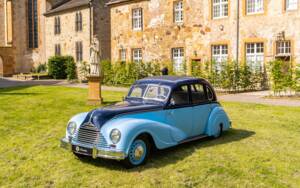
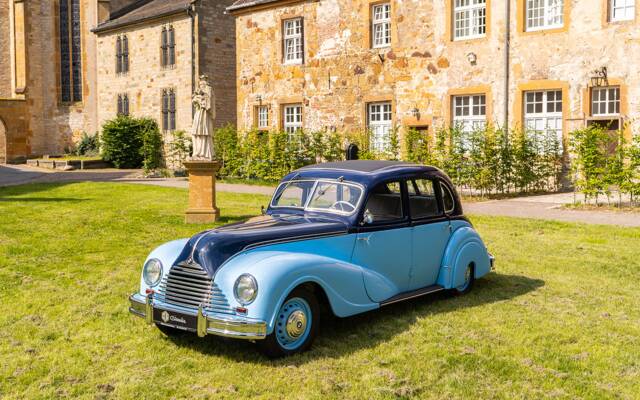
1950 | EMW 340
1 von 3 Fahrzeugen in perfekt restauriertem Zustand!

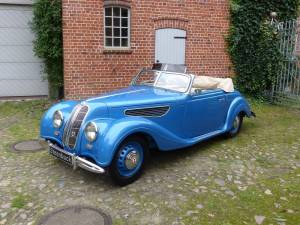
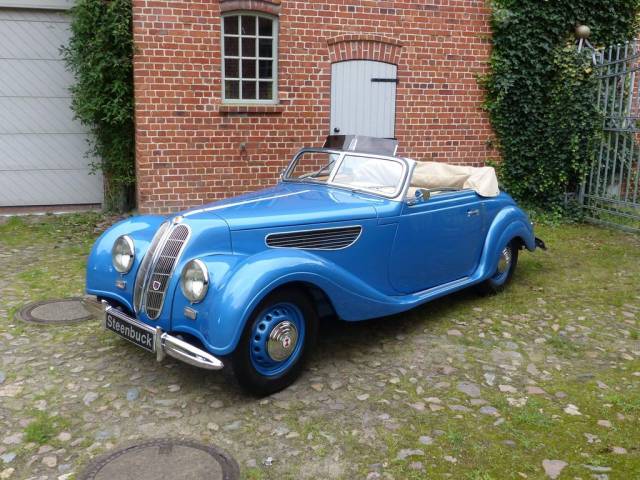
1954 | EMW 327-2
Post-war convertible by EMW in sensational colour scheme!
Auctions ending soon

Loading…
Loading…
Loading…
Loading…
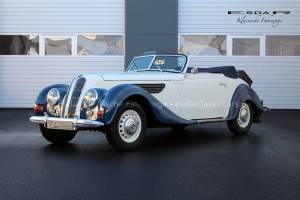
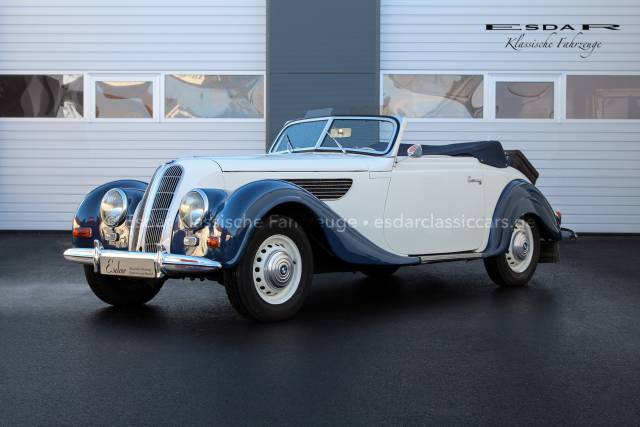
1955 | EMW 327-2
Restored engine, genuine leather, chrome-plated rear carrier with case
EMW listing references from Classic Trader
Below you will find listings related to your search that are no longer available on Classic Trader. Use this information to gain insight into availability, value trends, and current pricing for a "EMW" to make a more informed purchasing decision.
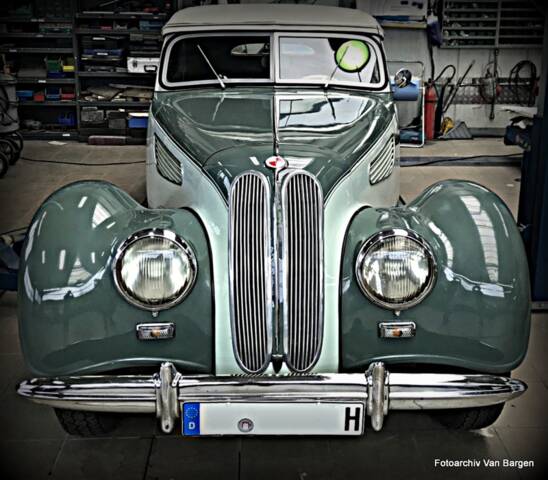
1954 | EMW 327-2
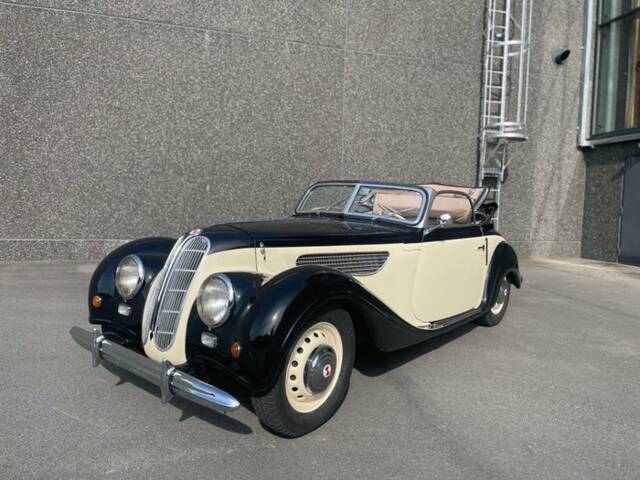
1952 | EMW 327-2
EMW - 327-2 - 1952

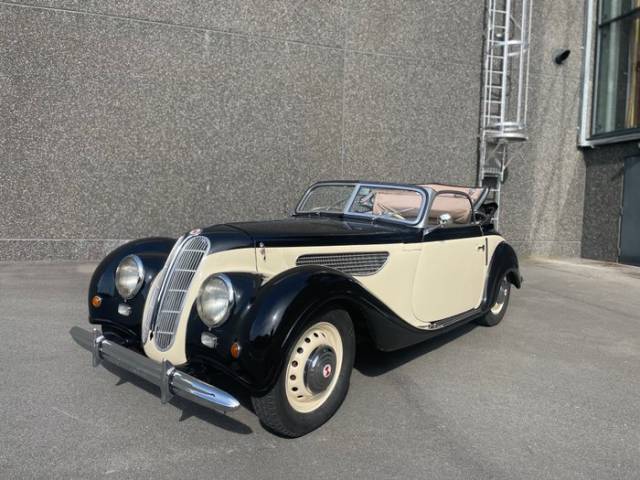
1952 | EMW 327-2
EMW - 327-2 - 1952
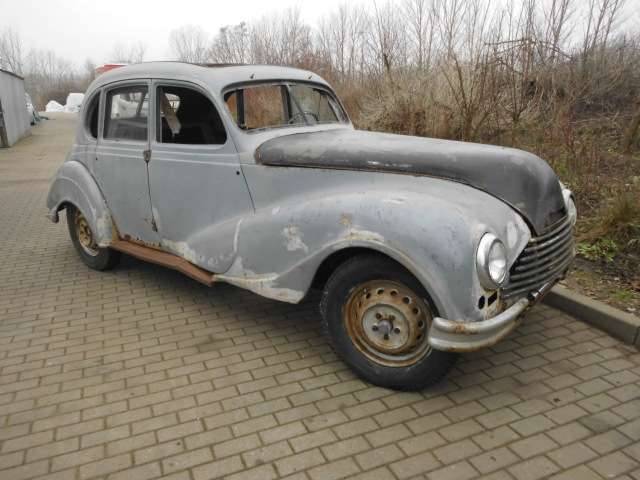
1952 | EMW 340
BMW 340 EMW 340
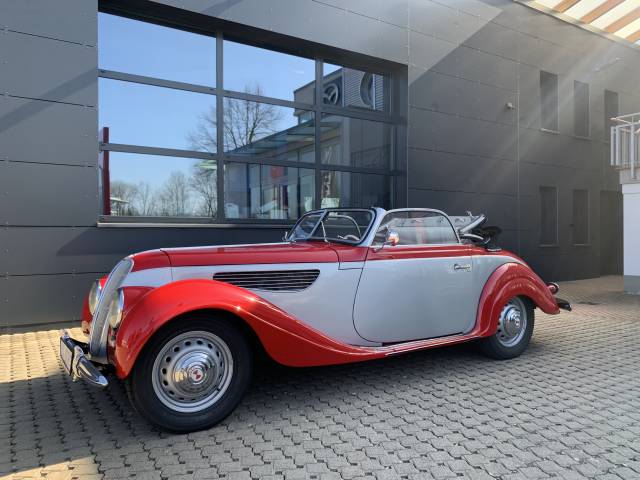
1952 | EMW 327-2
Aktuelles Wertgutachten vorhanden (08/2020)
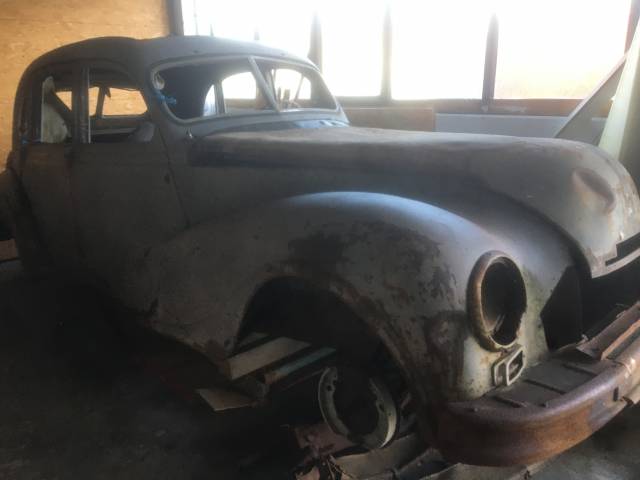
1950 | EMW 340
EMW 340 Limousine 50 er Jahre im BMW-Look der Vorkriegszeit
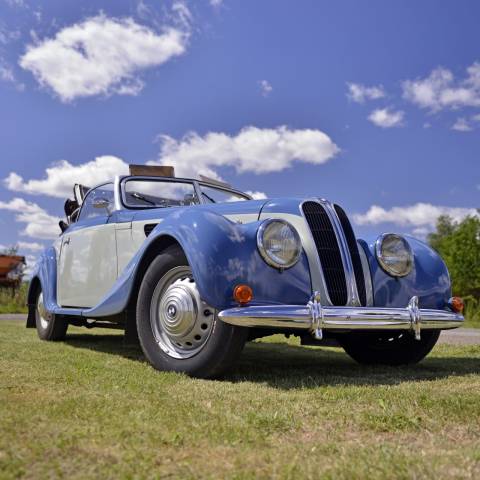
1954 | EMW 327-2
Nachlassauktion! Startgebot zzgl. Aufgeld: € 55.000,00
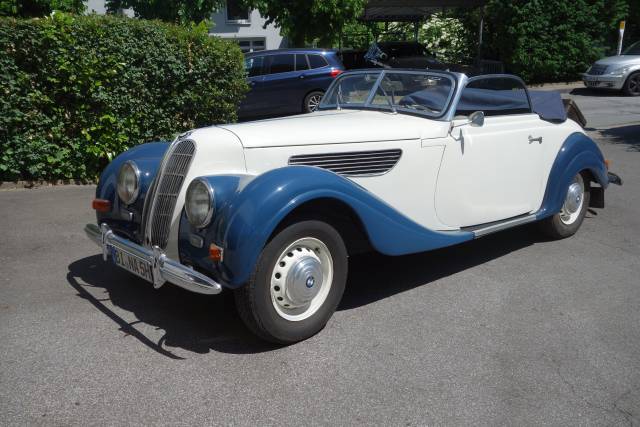
1955 | EMW 327-2
Klassisch in blau-weiß
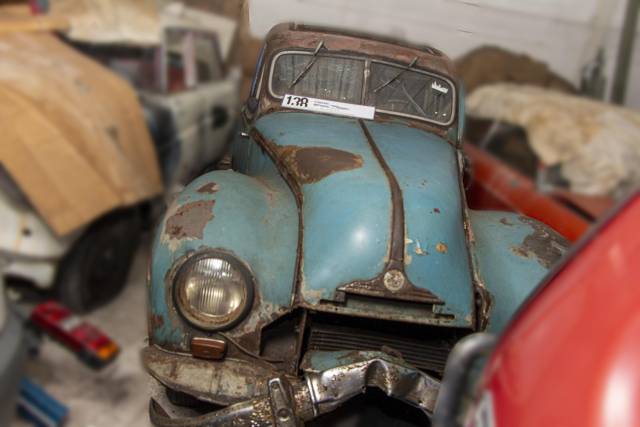
1938 | EMW 340
BMW/EMW?? 340?? 1948

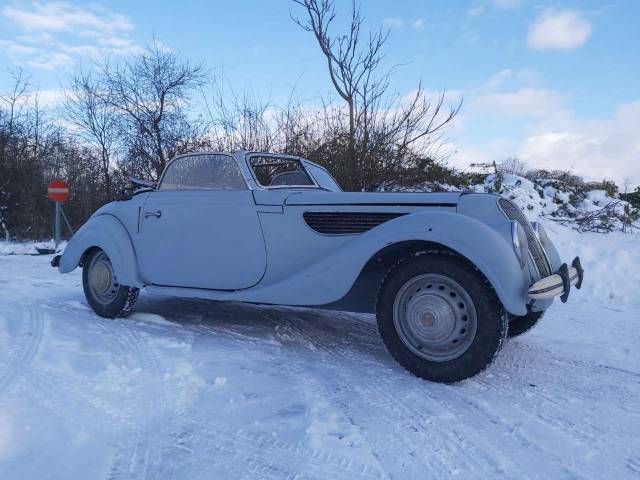
1955 | EMW 327-2
Oldtimer EMW 327 Cabrio
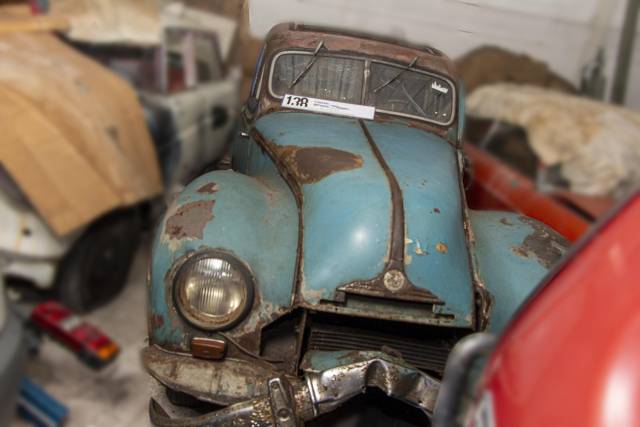
1949 | EMW 340

1952 | EMW 340
BMW 340 EMW 340
History of EMW – Eisenacher Motorenwerk
EMW (Eisenacher Motorenwerk) traces its roots to 1896 in Eisenach, Thuringia. Initially producing bicycles and cannons as Wartburg, the factory became a significant player on the German automotive scene, manufacturing its first car in 1898. During its history, the marque changed names repeatedly: Wartburg, Dixi, BMW (after 1928), and finally EMW after a post-war legal dispute forced the use of a new brand name in East Germany. The transition to EMW was accomplished in 1952, with production continuing on BMW-derived models, now marked by a red-and-white badge. The company became VEB Automobilwerk Eisenach (AWE) in 1953, an important chapter in GDR industrial history.
Model Ranges and Series History
EMW continued the production of cars fundamentally based on BMW’s pre-war technology. Notable are the Dixi DA 1—a license-built Austin Seven—, the EMW 340, a large four-door sedan derived from the BMW 326, and the EMW 327, a luxury cabriolet following the BMW 327. The 327-2 cabriolets were manufactured between 1952 and 1955 and became known for their export to Western Europe. Smaller production numbers and gradual modifications made each run distinctive. Motorbikes such as the R 35 were also assembled during this period. Production numbers remain limited, and original examples are rare.
Unique Features and Highlights of EMW
EMW cars are renowned for their continuity of BMW engineering post-war, the characteristic red-and-white roundel, and finishes such as leather interiors and horsehair-lined canvas roofs on the cabriolets. Simplicity dominates the technology—users encounter pure mechanical controls without driver aids. Many vehicles were delivered with original on-board tools, and occasionally with period radios. Unusual colour schemes like 'Wehrmachtsgrau' appeared directly from the factory. Rarity is acute: original, unrestored EMWs—especially cabriolets—are scarcely found.
Technical Data
Special Editions and Collectible EMWs
The EMW 327-2 Cabriolet stands out in EMW’s limited catalogue: produced between 1952 and 1955, only about 500-800 units left the factory, with several finished at the Gläser coachworks in Dresden for export to Benelux countries and prominent DDR individuals. Unique export features and low survival rates make this model particularly collectable. Some EMW cars were delivered as special saloon versions with sliding sunroofs or in rare original paint schemes. Vehicles retaining original parts and documentation are especially sought after among collectors.
Weak Spots and Common Issues
While original EMW models are mechanically straightforward, the scarcity of spare parts presents a challenge, especially for models with unique EMW-specific trim or body elements. Braking performance in factory specification can be marginal by modern standards, prompting upgrades among enthusiasts. Vehicle survivorship is low due to limited production and the harsh conditions many EMW cars endured during their years in the DDR. Expertise for authentic restoration is concentrated among a small group of specialists, and sourcing period-correct equipment may require significant research.
Engine, Performance and Driving Experience
EMWs retain the character of 1930s and 1940s Bavarian engineering: six-cylinder engines deliver steady but not spectacular performance, suited to relaxed cruising rather than sporty driving. Driving an EMW feels mechanical and unfiltered, with every input directly connected to the car’s response. No electronic driver aids or creature comforts are present; the focus is on authenticity and a hands-on motoring experience. The EMW 327 is the most searched-for model, followed by the four-door EMW 340 sedan. The Dixi DA 1 remains an attractive entry for those seeking pre-war design, while the R 35 motorcycles provide a different angle for two-wheel enthusiasts.
Design, Interior, Comfort and Accessories
The design language used by EMW hews closely to 1930s and pre-war BMW styles: flowing fender lines, pronounced grilles, and long hoods. The emblem—red and white, nicknamed the 'Roter Propeller'—replaces BMW’s blue-and-white. Interiors in luxury cabriolet models feature leather seats, wool carpeting, and occasionally even original radios. Convertible tops are noted for their cotton fabric with horsehair padding. Among paint options, 'Wehrmachtsgrau' was available for several models. Factory accessories included toolkits and period-accurate wheel covers. Sunroof-equipped saloons and rare original delivery combinations are particularly prized by collectors.
Other Noteworthy Features
Most EMW vehicles have significant cultural and historical value; many are sold with valuation certificates or museum documentation. Provenance and documentation—such as paperwork proving DDR export—enhance collectability. Restoration projects are common, but cars in original, unrestored condition carry a premium. Some vehicles are accompanied by original spare and replacement parts. Use in private collections and exhibitions is typical.
Summary
EMW classic cars present a fascinating intersection of post-war industrial resilience and the enduring value of German engineering. Today’s market reflects their rarity, with the EMW 327 and 340 leading both in supply and enthusiast attention. The brand’s strong identity, defined by mechanical purity, historical narrative, and distinctive visual cues, ensures their continued appeal to collectors committed to preserving automotive history from East Germany.