- Car
- Edsel (1 offer)
Edsel classic cars for sale
Edsel vehicles stand for one of the boldest experiments in postwar automotive history, blending ambitious design with advanced features of their era. Often remembered for their distinctive 'horse collar' grille, Edsel cars only appeared between 1958 and 1960, making survivors rare finds today—particularly wagons like the Villager, which was produced in very low numbers.
Search results
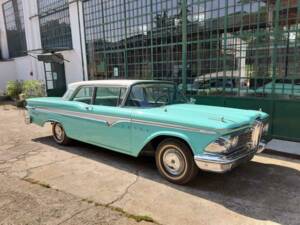
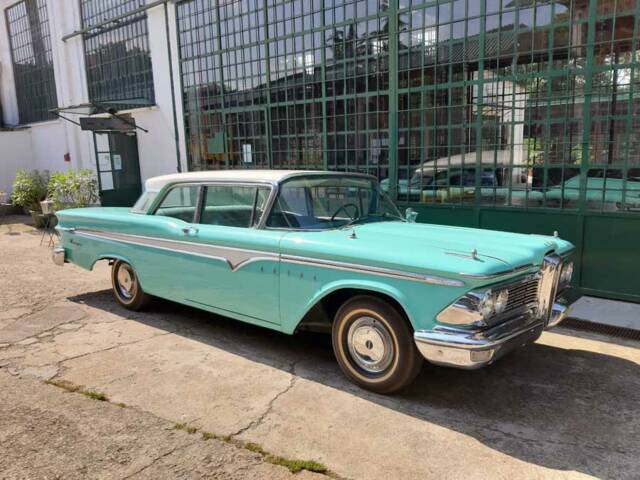
1959 | Edsel Ranger Hardtop
Edsel Ranger 2-Door Hardtop Coupe – 1959

Edsel listing references from Classic Trader
Below you will find listings related to your search that are no longer available on Classic Trader. Use this information to gain insight into availability, value trends, and current pricing for a "Edsel" to make a more informed purchasing decision.
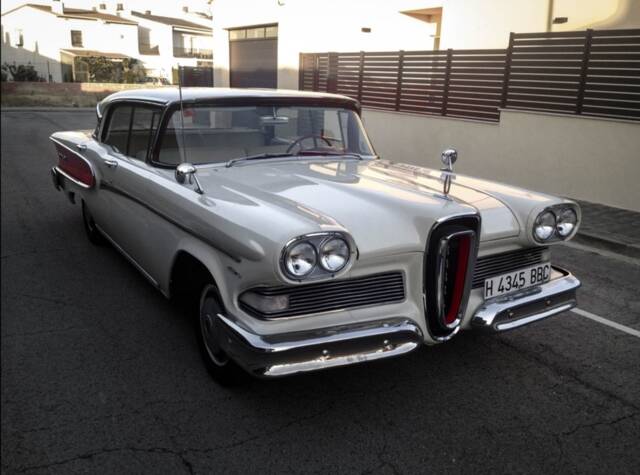
1958 | Edsel Corsair Hardtop
1958 | Ford Ford Edsel Corsair Sedan HT

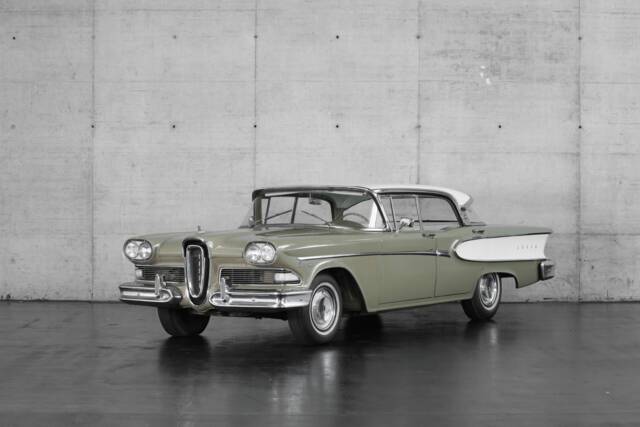
1958 | Edsel Corsair Hardtop
1958 Edsel Corsair. Im Auktionsverkauf. Schätzwert: 20.000 € - 25.000 €. Ohne Mindestpreis!

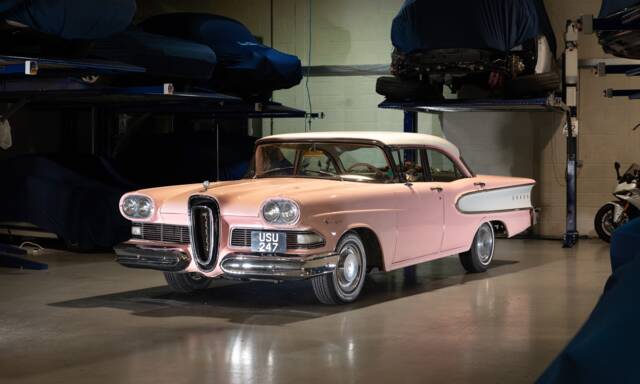
1958 | Edsel Ranger
1958 Edsel Ranger

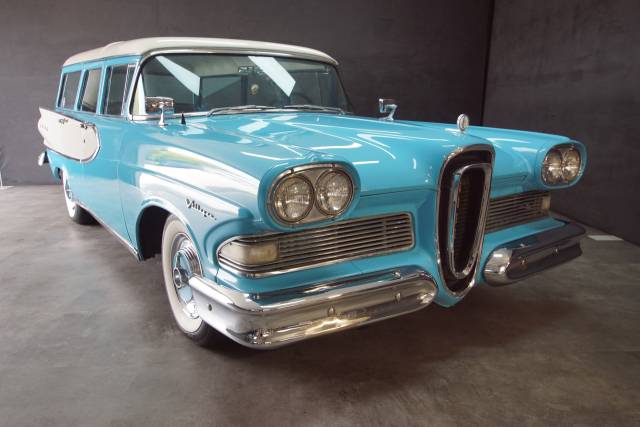
1958 | Edsel Villager Wagon
Ford EDSEL VILLAGER

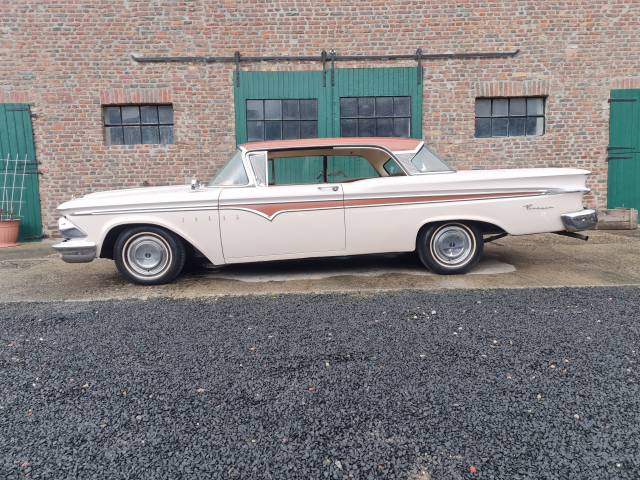
1959 | Edsel Ranger Hardtop
Ford Edsel Ranger Hardtop 2-türig V8 Klima

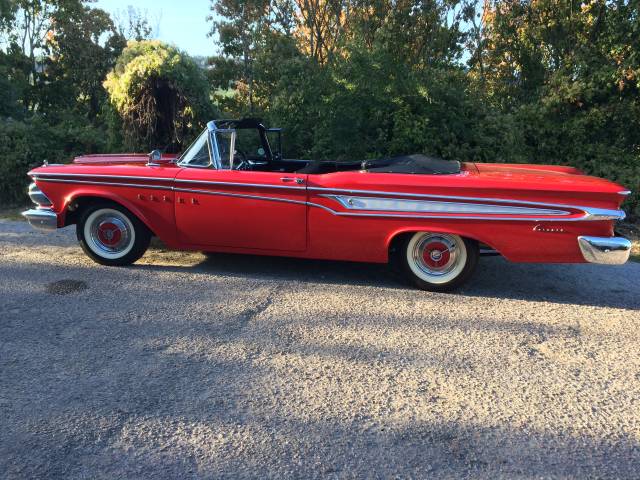
1959 | Edsel Corsair
Vollrestauriertes Fahrzeug in Bestzustand
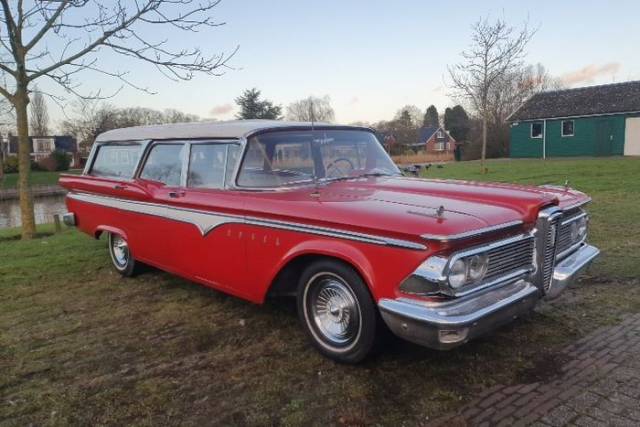
1959 | Edsel Villager Wagon
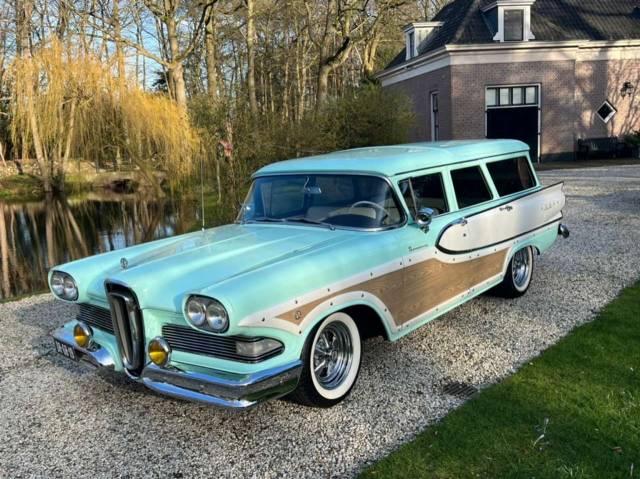
1958 | Edsel Bermuda
Ford Edsel Bermuda Stationwagen V8 303pk 1958 #WOWFACTO
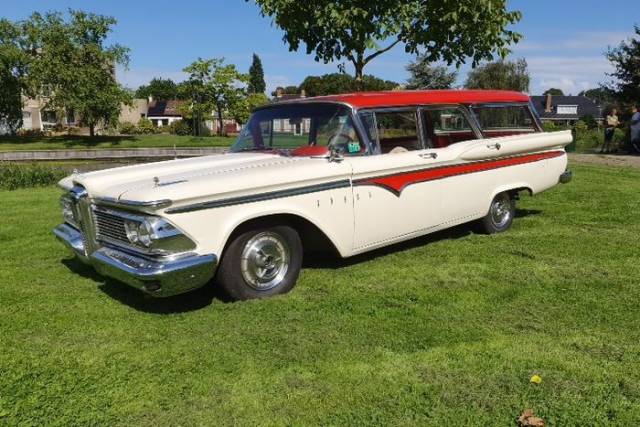
1959 | Edsel Villager Wagon
1959 | Edsel Villager Wagon
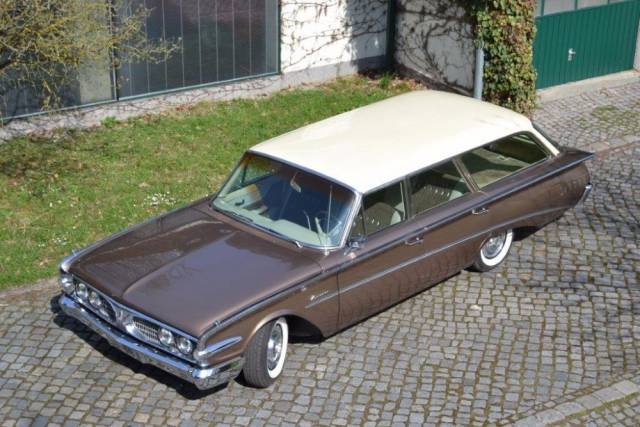
1960 | Edsel Villager Wagon
Oldtimer Ford Edsel Villager Stationwagon 6 Passenger
History of Edsel
Edsel was created in the late 1950s as Ford's ambitious entry into the upwardly mobile middle class segment of the American market. Named after Edsel Ford, the division was meant to bridge the gap between Ford and Mercury. Released in 1958, Edsel was backed by unparalleled marketing hype—celebrities like Frank Sinatra and Bing Crosby hosted the launch, but public response was tepid. The brand's launch coincided with an economic downturn and suffered from lack of clear market positioning within the Ford hierarchy. Only about 110,847 Edsels were built, against original sales targets of up to 300,000 per year. Ford ultimately discontinued the line after just three model years, having suffered profound financial and reputational losses.
Model History
Across its short production life, Edsel produced several model series: Ranger, Corsair, Villager and Bermuda. The Ranger and Corsair were the core saloons and hardtops; Villager and Bermuda were station wagon variants. Due to low sales, the lineup was trimmed quickly, and by 1960, only the Ranger and Villager remained. There were no direct predecessors; Edsel was new from scratch. After Edsel's demise, its place in Ford's range was not directly replaced; instead, Ford refocused on its existing brands.
Highlights of the Edsel Range
Edsel models stood out for their unique styling, particularly the vertical 'horse collar' grille, a feature that immediately sets them apart even today. Technological features included push-button transmission controls, warning lights, and ergonomic dashboards—all rare in the late 1950s. The Wagons, especially the Villager, were rare from the start, with only about 2,133 units produced in some years.
Demand and supply data from our listings confirm the Edsel's scarcity and following: Villager models represent 43.5% of all Edsel listings in our database, with Rangers making up 21.7% and Corsairs 26.1%. In terms of buyer interest, however, the Ranger attracts over 50% of listing views, while the Corsair draws 28.7% and the Villager 18.1%. This shows that, while the Villager is the most commonly offered Edsel today, the Ranger remains the most sought-after in terms of interest.
Technical Data
Special Editions and Collectible Models
Special attention is owed to the Edsel Villager station wagon due to its very limited production—sometimes fewer than 2,200 units in a year. The Corsair and Ranger hardtops are also notable for their period-correct styling and higher-end equipment levels. Early cars with factory Teletouch automatic transmission or rare upholstery options are especially prized by enthusiasts.
Weak Spots and Common Issues
Despite the advanced features for their time, Edsel models developed a reputation for reliability issues early on. Reports from the period mention engine smoking, drivetrain leaks, and electrical faults. Roadholding was also considered mediocre at launch. Some US enthusiasts jokingly referred to the name as an acronym: 'Every Day Something Else Leaks.' However, mechanicals are largely based on standard Ford and Mercury components, making spare parts available in the US. Watch for original paint with patina and minor cosmetic flaws, especially on survivors. Rust and aging interior materials are also typical due to age.
Engine and Performance, Transmission and Handling
Edsel vehicles were frequently fitted with robust V8 engines, such as the 332 or 361 cubic inch versions, matched to automatic gearboxes—sometimes with Teletouch push-button controls. On the road, Edsels behave much like large American family cars of their era: soft ride, pronounced body roll, and leisurely acceleration. The Villager wagon, in particular, offers typical 1950s load-lugging comfort, while Rangers and Corsairs serve up a mix of boulevard cruising and V8 burble. Most searched and supplied Edsel models: Ranger (highest demand), Corsair (mid-level demand and supply), Villager (most supplied).
Interior, Comfort, Exterior and Design
The Edsel's design remains unmistakable, with the infamous grille setting it apart from any peer. Interiors featured wide bench seats and elaborate dashboards. Wagons like the Villager often came with practical extras such as rear-facing third-row seating, roof racks, two-tone paintwork, and chrome accents. Rare dealer-fitted accessories (air conditioning, extra chrome, power windows) increase desirability today. Chief designer Roy Brown originally aimed for a more streamlined look for the grille, but engineering dictated the larger opening. Many surviving Edsels show off their era's pastel and contrast paint schemes, along with pronounced tailfins and dashboard chrome detailing.
Other features
Edsels registered in Europe today are typically imports from the US, with Dutch registrations often available. Vehicles are often marginally taxed as historic cars. Owners should expect cars with authentic wear (patina), and original documentation is a plus for provenance.
Summary
Edsel vehicles today represent a fascinating footnote in automotive history for anyone interested in 1950s American design and industrial ambition. Production was brief, build numbers were far below target, and the cars are instantly recognised thanks to their unique grille and ambitious features. The rarest versions—such as the Villager station wagon—are coveted by collectors who appreciate survivorship, technical oddities, and the Edsel story.