Diamond T Model 201 classic cars for sale
The Diamond T Model 201 stands out among classic light trucks with its striking design and robust construction, making it sought-after by collectors with a passion for American automotive craftsmanship. Discover more about its unique history and technical pedigree.
Suchergebnisse
Zur Zeit sind keine passenden Inserate zu Ihrer Suche veröffentlicht.
Create search alert
Let yourself be notified as soon as a listing is published that matches your search filters.
Create listing
Do you have a Diamond T Model 201 that you want to sell? Then create a listing now.
Create listingDiamond T Model 201 listing references from Classic Trader
Below you will find listings related to your search that are no longer available on Classic Trader. Use this information to gain insight into availability, value trends, and current pricing for a "Diamond T Model 201" to make a more informed purchasing decision.
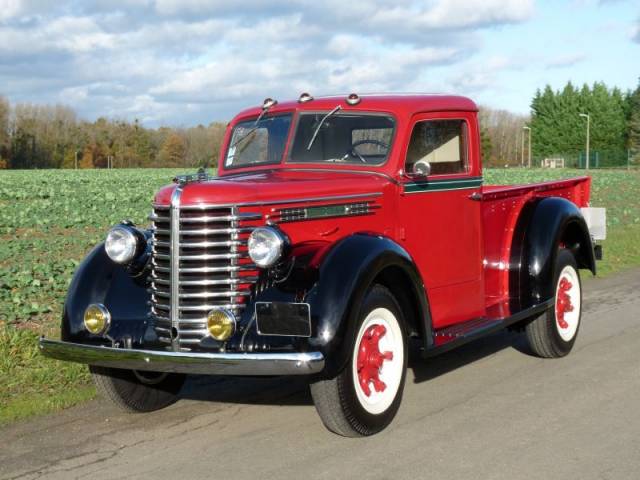
1948 | Diamond T Model 201
Create search alert
Let yourself be notified as soon as a listing is published that matches your search filters.
Create listing
Do you have a Diamond T Model 201 that you want to sell? Then create a listing now.
Create listingDiamond T Model 201 Classic Cars: Prices & Market Values
History of the Diamond T Model 201
The Diamond T Model 201 was introduced in the late 1930s by the Diamond T Motor Car Company, a manufacturer known for its attention to detail and commitment to producing reliable and aesthetically distinguished trucks. Designed primarily as a light duty pickup, the Model 201 quickly established a reputation in the United States for its advanced features and high build quality. Production continued through the 1940s, serving both civilian and commercial needs during a period of notable industrial change. Its emblematic front grille, streamlined fenders, and the hallmark Diamond T badge became synonymous with durability and style, resonating strongly with owners who valued both utility and design.
Model History
Within the Diamond T lineup, the Model 201 marked a transition point towards more style-oriented, user-friendly light trucks. It did not directly succeed a specific previous model, but rather expanded Diamond T's range beyond heavier commercial vehicles into the personal-use segment. The Model 201 set the stage for later pickups that would further embrace comfort, design, and innovation, before Diamond T merged with Reo to form Diamond Reo Trucks in 1967, eventually ending production of small pickups.
Highlights of the Diamond T Model 201
Key distinguishing features of the Diamond T Model 201 include its welded steel cab, art-deco inspired front grille, and luxury-level interior trim for the era, such as chromed hardware and finely finished interiors. While its payload capacity and reliable mechanics were core strengths, enthusiasts most often point to its blend of function and form as the Model 201’s standout trait.
Technical Data
Special Editions and Collectible Models
There are no widely documented factory special editions of the Diamond T Model 201. Variations did occur based on customer requests and accessories, such as custom paintwork or dealer-installed features, but these were not part of standard limited-run models.
Weak Spots and Common Issues
Original steel body panels can suffer from rust, particularly in the cab corners and undercarriage where corrosion protection was minimal by modern standards. Replacement parts for bodywork and trim are hard to find due to low production numbers, requiring restoration specialists familiar with pre-war American trucks. The Hercules engine and driveline components are generally durable, but any poorly maintained engine may show signs of oil leaks or worn bearings after decades of use. Regular inspection for wear in the kingpins, suspension bushings, and electrical system is essential, given the vehicle’s age.
Engine and Performance, Transmission and Handling
The 3.5-litre Hercules L-head inline-six provides the Model 201 with smooth, torque-rich power delivery at low speeds, prioritising tractability over outright speed. The truck’s 4-speed manual gearbox features long throws and a mechanical shifter action typical of the era. The Model 201 rides on leaf springs, benefitting from gently progressive suspension tuning that manages weight well but transmits uneven road surfaces into the cabin – a defining trait of vintage pickups, and a direct link to motoring in the 1940s. Noteworthy examples within the Model 201 series are those with preserved original features, such as factory dials, switchgear, and correct period paint finishes, due to the scarcity of authentic restoration parts.
Interior, Comfort, Exterior and Design
The cab of the Diamond T Model 201 was built with unusually high standards for a commercial vehicle of its time, featuring padded door panels, chromed window cranks, and plush bench seats upholstered in period-correct materials. The art-deco front end design, with an imposing grille and elegantly stepped fenders, reflects pre-war American design sensibilities. Buyers could opt for various paint colours, although many surviving 201s carry work-era commercial signwriting or custom resprays. Accessories included options such as exterior sun visors and step plates, often sourced through dealers or aftermarket suppliers.
Other Relevant Features
Importing a Model 201 into the UK requires attention to compliance with local MOT and registration standards, as well as adaptation for right-hand traffic if intended for use on British roads. Vehicles with documented provenance and ownership history are valued for their traceability, especially if invoices and period photographs are supplied.
Summary
The Diamond T Model 201 occupies a distinctive position among classic American pickups, combining robust engineering with a level of exterior and interior refinement rare for its category in the early and mid-20th century. Its rarity on the European market only adds to its appeal for dedicated enthusiasts seeking a piece of industrial history rooted in American automotive culture.