DeSoto Firedome classic cars for sale
The DeSoto Firedome series, manufactured between 1952 and 1959, stands out with distinct styling and a dynamic evolution in Chrysler’s brand hierarchy. Once DeSoto’s premium offering and later reclassified across the lineup, the Firedome encapsulates a pivotal period in American automotive design. Discover more about the unique journey of this full-size car.
Search results
Currently, there are no matching listings for your search.
Create search alert
Let yourself be notified as soon as a listing is published that matches your search filters.
Create listing
Do you have a DeSoto Firedome that you want to sell? Then create a listing now.
Create listingDeSoto Firedome listing references from Classic Trader
Below you will find listings related to your search that are no longer available on Classic Trader. Use this information to gain insight into availability, value trends, and current pricing for a "DeSoto Firedome" to make a more informed purchasing decision.
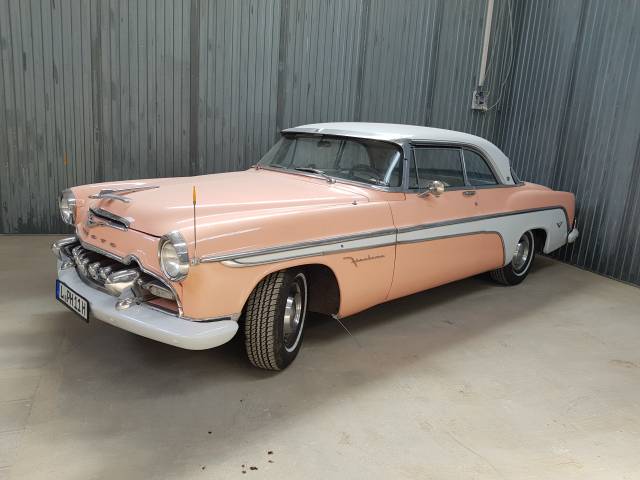
1955 | DeSoto Firedome Sportsman
Unique coupe in best condition

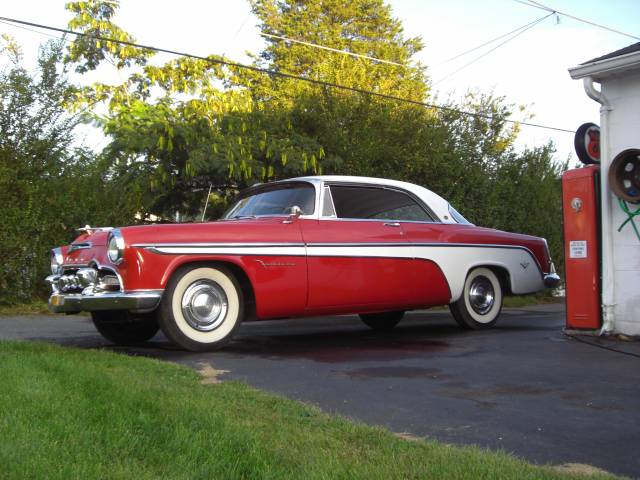
1955 | DeSoto Firedome Sportsman
De Soto Firedome Sportsman hardtop coupe

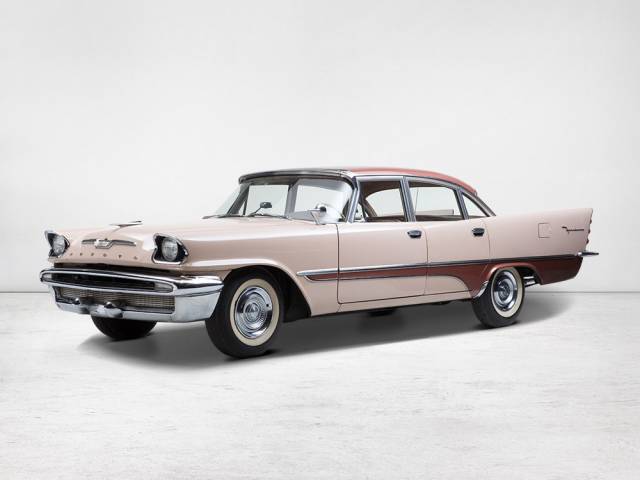
1957 | DeSoto Firedome Sedan
Classic Car Auction on Nov 24, 2015
Create search alert
Let yourself be notified as soon as a listing is published that matches your search filters.
Create listing
Do you have a DeSoto Firedome that you want to sell? Then create a listing now.
Create listingDeSoto Firedome Classic Cars: Prices & Market Values
Introduction and history of the DeSoto Firedome
The DeSoto Firedome debuted in 1952 as the flagship range of the DeSoto division under Chrysler. Its launch marked a period where American manufacturers pushed the boundaries in terms of performance and comfort. Originally positioned as DeSoto’s premium model, the Firedome played a vital role not only as a showcase for Chrysler’s design and engineering capabilities but also as a reference point for the changing priorities of post-war automotive consumers. By 1955, market realignment saw the Firedome repositioned as the entry-level offering. This strategy remained until 1957, when it was slotted as a mid-range choice. The model series was ultimately discontinued after the 1959 model year, reflecting corporate shifts and the end of the DeSoto brand’s presence.
Model history
The Firedome arrived as a replacement for DeSoto's earlier premium models, taking up the mantle into the post-war era. Its evolution mirrored the changing fortunes of DeSoto itself within the Chrysler hierarchy. As other lines were introduced or discontinued, the Firedome moved from the top down to entry-level and finally mid-range, adapting in features, finishes, and target market. No direct successor followed the Firedome; instead, its discontinuation heralded the wind-down of the DeSoto marque as Chrysler focused on its other divisions.
Highlights of the DeSoto Firedome
The Firedome is notable for its shifts in DeSoto’s model range—serving as the marque’s top-tier, entry-level, and then mid-range car all within a decade. This adaptability is reflected in its diverse range of trims and configurations across model years. Its large size and advanced post-war engineering make it distinctive among American full-size cars from the 1950s. Collectors value it for these evolutionary qualities and as a distinct representative of American family motoring from the era.
Technical data
Special Editions and Collectible Models
Special editions of the Firedome were typically distinguished by trim level, equipment packages, or unique finishing options rather than defined limited runs. Mid-1950s variants, particularly those with rare V8 configurations or luxurious features, are especially sought after due to their relative scarcity and technical interest.
Weak Spots and Common Issues
No specific model weaknesses or common issues have been identified in the available resources. However, as with most American cars of the 1950s, potential buyers should closely inspect bodywork for corrosion, check for drivetrain wear, and verify the integrity of suspension components which can reflect the age and history of these large vehicles.
Engine and Performance, Transmission and Handling
Throughout its production, the Firedome was typically powered by Chrysler’s V8 engines, which offered strong straight-line acceleration and a characteristic 1950s American driving experience. The transition of the model through the DeSoto hierarchy coincided with mechanical updates. Handling reflects the era’s focus on soft, comfortable ride quality, suited to the American road network of the time. Key highlights include the early-1950s models equipped with early DeSoto Hemi V8s, which are valued for their technical curiosity and historical impact, as well as the later variants featuring revised mechanicals influenced by Chrysler’s ongoing engineering advancements.
Interior, Comfort, Exterior and design
Firedome models sported bold American styling with sweeping chrome details, two-tone paint options, and dramatic body lines, especially in mid-decade offerings. Interiors featured broad bench seats, ample interior space, and a dashboard design reflecting the optimism of the period. Higher-spec models sometimes boasted deluxe accessories such as power steering, push-button transmissions, or upgraded audio systems—features that set them apart for comfort and technical sophistication in their class.
Other relevant features
The Firedome line is also an interesting subject for restoration enthusiasts, as variations in trim, engine options, and original equipment allow for a high degree of personalisation and historical research, making the search for authenticity a rewarding challenge.
Summary
The DeSoto Firedome, produced throughout the 1950s, encompasses both Chrysler’s engineering ambition and the changing landscape of the American automotive market. Its varied model history and consistent presence at the forefront of DeSoto’s lineup make it a significant choice for classic car buyers who value a unique slice of post-war motoring heritage.