Delage DI classic cars for sale
The Delage DI stands as a prime example of refined French engineering from the interwar era, offering an enthralling combination of technical sophistication and period elegance. Explore the unique charm and mechanical prowess of a vehicle that shaped its segment.
Search results
Currently, there are no matching listings for your search.
Create search alert
Let yourself be notified as soon as a listing is published that matches your search filters.
Create listing
Do you have a Delage DI that you want to sell? Then create a listing now.
Create listingDelage DI listing references from Classic Trader
Below you will find listings related to your search that are no longer available on Classic Trader. Use this information to gain insight into availability, value trends, and current pricing for a "Delage DI" to make a more informed purchasing decision.
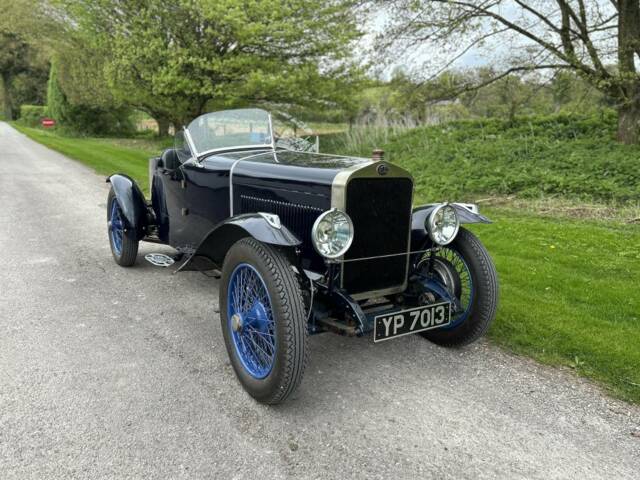
1926 | Delage DI open tourer
1926/32 Delage DIS/D6-11 Boat-tail Sports Tourer

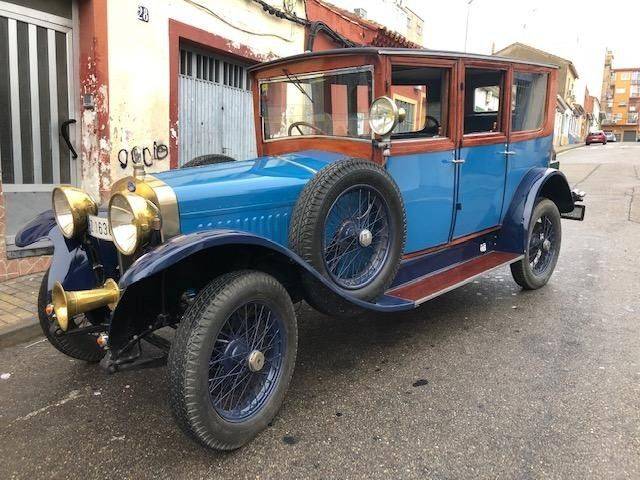
1925 | Delage DI open tourer

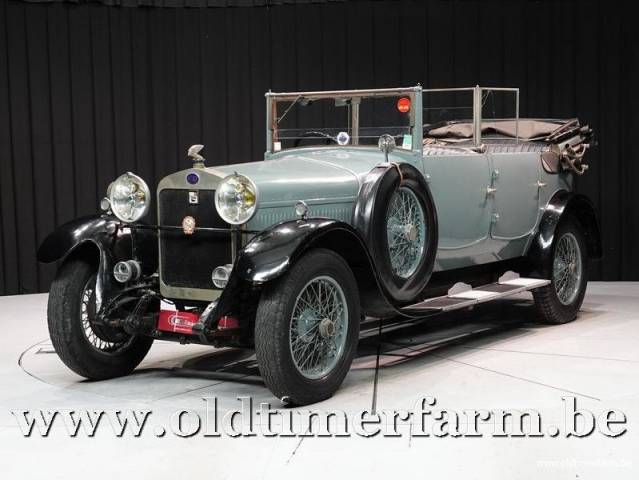
1926 | Delage DI open tourer
1926 Delage DI Transformable 11CV 4Cyl '26

Create search alert
Let yourself be notified as soon as a listing is published that matches your search filters.
Create listing
Do you have a Delage DI that you want to sell? Then create a listing now.
Create listingDelage DI Classic Cars: Prices & Market Values
History of the Delage DI
Unveiled in the early 1920s, the Delage DI signified a progressive chapter for the French marque. Delage, renowned for its commitment to innovation and refinement, positioned the DI as a mid-sized luxury car. The model quickly found favour among buyers who valued smooth ride quality and dependable mechanics. As French roads evolved and motoring became more popular, the DI stood out by balancing robust engineering with subtle, tasteful design. Its chassis provided a stable foundation for coachbuilders to create custom bodies, adding to its prestige in the classic car world.
Model series history
The Delage DI was introduced in 1923, aiming at a growing market for comfortable and refined touring vehicles. It succeeded the more spartan and utilitarian Delage CO model, offering improvements in power and road manners. The DI series underwent minor enhancements over its lifespan, including updates to the carburettor and braking system. It was followed in the Delage line-up by models like the D6, as the company continued innovating in performance and luxury.
Highlights and statistical significance
The Delage DI features a well-balanced cast-iron four-cylinder engine and technical solutions ahead of its time, such as mechanical brakes on all four wheels. Its ability to accommodate bespoke bodies—ranging from elegant coupés to open tourers—makes each example distinctive. The DI stands out among classic Delage vehicles: with a supply share of 100% for its manufacturer code within the DI model series, it is the definitive representation of the series on the current market. Demand reflects the same ratio, suggesting buyers searching for a DI overwhelmingly focus on this variant.
Technical data
Special Editions and Collectible Models
While the DI series itself was relatively uniform, many were delivered as chassis to specialist coachbuilders. These versions can feature unique, one-off bodies, and some high-end cabriolet or sports variants by renowned firms like Henri Chapron or Letourneur et Marchand are especially appreciated by collectors for their craftsmanship and visual drama.
Weak Spots and Common Issues
As with many cars from the 1920s, Delage DI vehicles may suffer from age-related wear to mechanical components and leather or wood inside the cabin. Lubrication points need regular attention, and the mechanical brake system must be maintained for effective stopping. Corrosion on the steel frame or bodywork, especially on lesser-maintained examples, also warrants close inspection. Sourcing original parts may pose a challenge, yet a dedicated network of marque specialists exists in Europe.
Engine, Performance, and Handling
The DI’s four-cylinder engine offers smooth yet assertive power delivery for relaxed touring, with a real emphasis on mechanical precision. Manual gear changes are direct, and the chassis delivers a remarkably comfortable ride, absorbing rough roads of the 1920s with composure. Mechanical brakes require anticipation but are effective when properly adjusted.
Popular body styles include the open tourer and saloon configurations, often chosen for their flexibility and practicality. Technical highlights typically revolve around the four-cylinder engine (approx. 2.1 litres) and the adaptability for custom bodies via its strong chassis. Saloon (coachbuilt); Tourer (open body, multiple seating).
Interior, Comfort, Exterior and Design
Delage DI interiors frequently showcase finely finished wood dashboards, hand-stitched leather seats, and elegantly chromed details characteristic of 1920s French luxury. Many featured bespoke steering wheels and gauges from Jaeger or similar period suppliers. On the exterior, the long, low hood and swept fenders reinforce its classic French profile, while paintwork ranged from understated greens and blues to more exuberant two-tone schemes. Custom body options included landaulets, convertibles, and elegant closed limousines, often bearing unique accents and owner-specified flourishes.
Other relevant features
Bespoke accessories such as period-correct trunk sets, spare wheel covers, and custom badging frequently accompany well-restored Delage DIs. Some examples were equipped with side-mount spare wheels, folding windshields for tourer models, and illuminated mascot radiator caps.
Summary
The Delage DI encapsulates a distinct era of French automotive history, blending mechanical precision, flexibility for coachbuilt individuality, and refined aesthetics. Its focused market presence on Classic Trader, combined with its fascinating technical and visual details, places the DI among the more intriguing finds for vintage car connoisseurs.