De Tomaso Mangusta classic cars for sale
The De Tomaso Mangusta, produced from 1967 to 1971, stands out with its American V8 heart, bold Italian design from Giorgetto Giugiaro, and deep motorsport roots. Combining uncompromising aesthetics with robust engineering, it remains a rare highlight among sports coupés of its era.
Search results
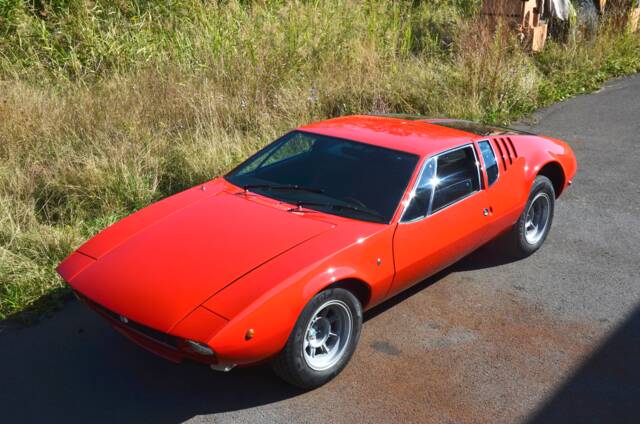
1970 | De Tomaso Mangusta
Last Series. Pop Up Headlights

De Tomaso Mangusta listing references from Classic Trader
Below you will find listings related to your search that are no longer available on Classic Trader. Use this information to gain insight into availability, value trends, and current pricing for a "De Tomaso Mangusta" to make a more informed purchasing decision.
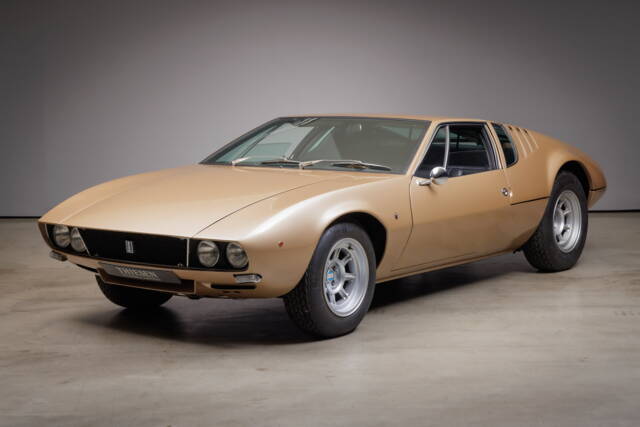
1968 | De Tomaso Mangusta
Mangusta
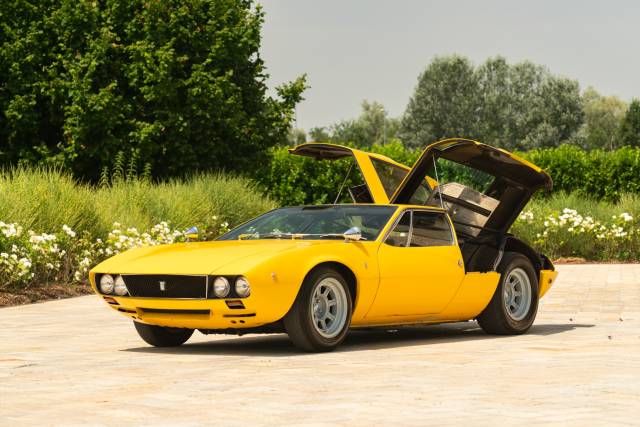
1969 | De Tomaso Mangusta
<p>PRESENTE PAD. 26 - FIERA BOLOGNA - 26-29 OTTOBRE</p>

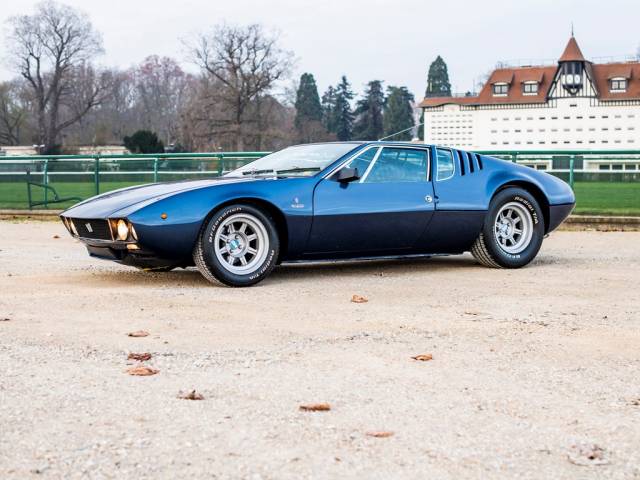
1970 | De Tomaso Mangusta
1970 De Tomaso Mangusta By Ghia

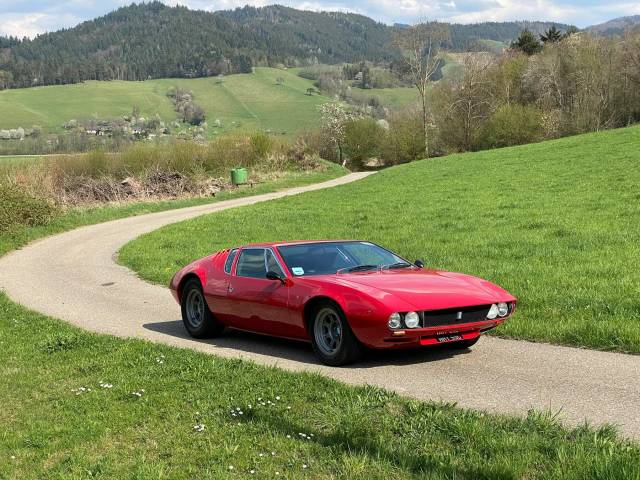
1969 | De Tomaso Mangusta
Excellent Condition - Most Desirable 289 Ci
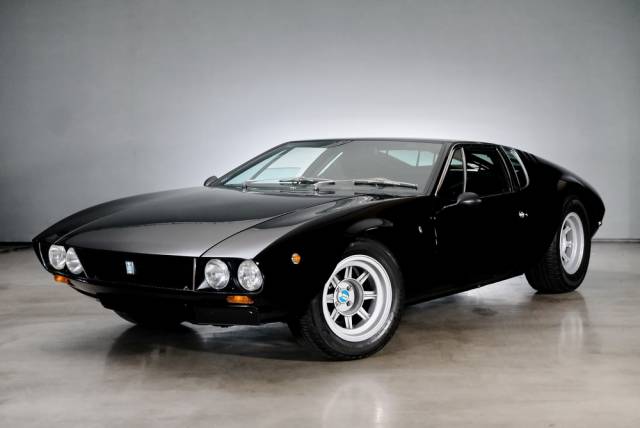
1969 | De Tomaso Mangusta
Mangusta
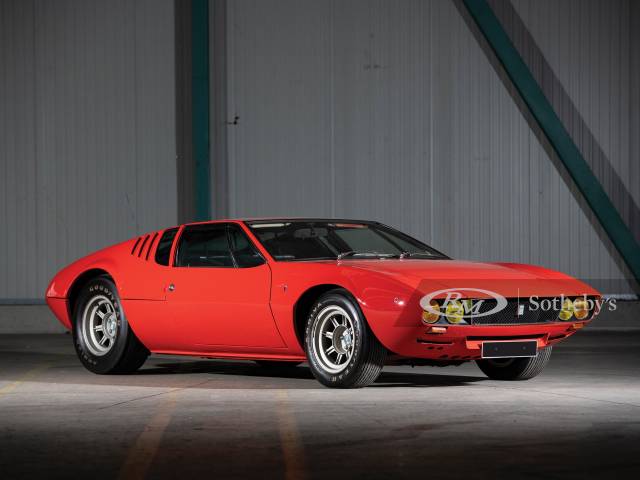
1971 | De Tomaso Mangusta
Online Only: The European Sale featuring the Petitjean Collection
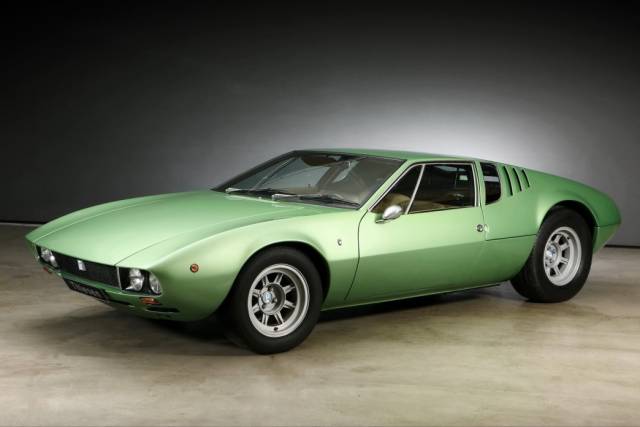
1969 | De Tomaso Mangusta
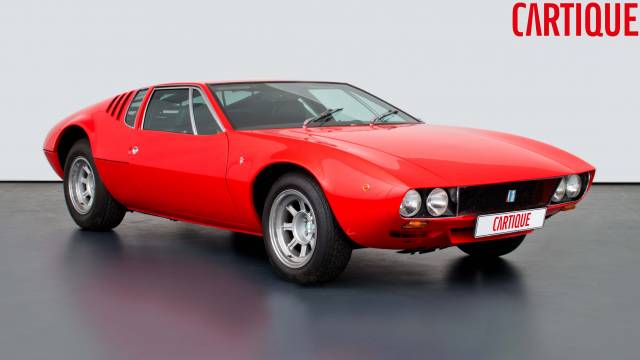
1968 | De Tomaso Mangusta
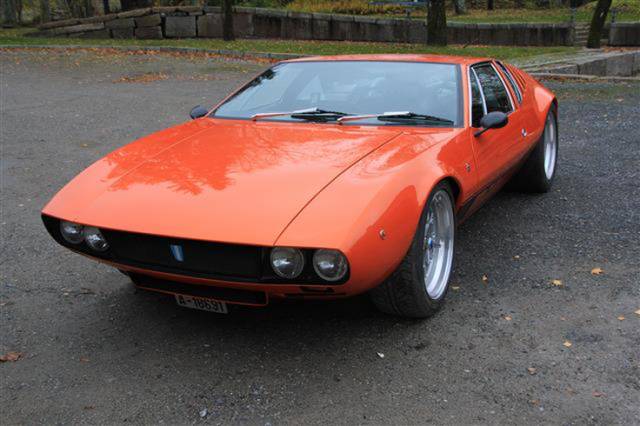
1967 | De Tomaso Mangusta

1969 | De Tomaso Mangusta
Mangusta
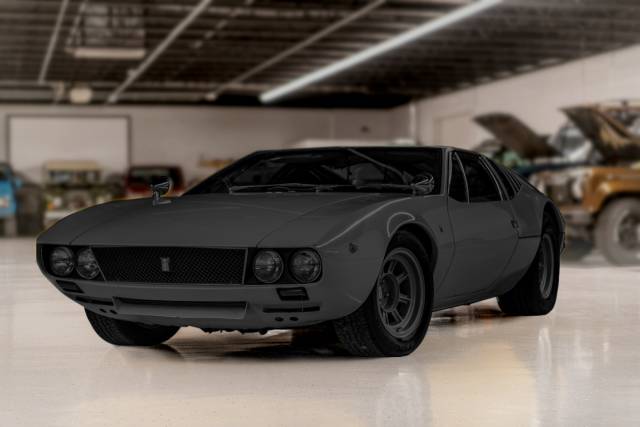
1969 | De Tomaso Mangusta
De Tomaso Mangusta Classic Cars: Prices & Market Values
Introduction and history of De Tomaso Mangusta
De Tomaso, founded in 1959 in Modena by Alejandro De Tomaso with support from his wife Isabelle Haskell, initially focused on building Formula 1 cars. By the 1960s, the company shifted towards road-going sports cars, leveraging its racing expertise. The Mangusta, which debuted in 1966 and entered production a year later, embodied this road-going ambition. Developed together with coachbuilder Ghia, the Mangusta signalled a departure from the preceding Vallelunga, putting the mid-mounted American V8 front and centre. Its name, Italian for 'mongoose,' alludes to the animal’s legendary fearlessness—even confronting cobras. Today, this model is emblematic of the Italian marriage of style and performance, and less than 250 are thought to remain worldwide.
Model history
The Mangusta succeeded the Vallelunga, which had a limited production run of about 400 units by 1968. The introduction of the Mangusta in 1966 marked De Tomaso’s move to powerful American V8 engines—a concept that would define later models. After four years of production, the Mangusta gave way to the Pantera in 1971, which continued the formula of exotic design and American power.
Highlights of the De Tomaso Mangusta
The De Tomaso Mangusta features distinctive proportions and styling, thanks to designer Giorgetto Giugiaro, at the time president of Ghia. Its central backbone chassis, gullwing rear engine covers, and low-slung silhouette make it instantly recognisable. The heart of the Mangusta is a Ford-derived 4.7-litre V8 engine producing 305 hp—a defining trait of De Tomaso cars. Only a handful of Mangustas survive today, making the model attractive to enthusiasts who appreciate unique aesthetics paired with muscular mechanicals.
Technical data
Special Editions and Collectible Models
The De Tomaso Mangusta was primarily offered as a single model, crafted in very limited production numbers. No distinct factory special editions are documented; however, cars featuring unique colour schemes or delivered with factory racing components are considered particularly collectible today due to their rarity and originality.
Engine and Performance, Transmission and Handling
The Mangusta’s Ford 4.7-litre V8 pushes out 305 hp, providing substantial acceleration for its time. The mid-engine layout contributes to balanced weight distribution but results in a driving experience that rewards attentive handling—especially at higher speeds. The five-speed ZF manual transmission is direct, while the chassis, though advanced for its era, demands respect due to its rigidity and the car’s limited rear visibility. The Mangusta’s road manners make it a thrilling companion for spirited driving, but drivers should be mindful of the original tyres and suspension setup when considering its limits. All Mangusta examples are highly regarded due to the overall low production count, but cars with complete history, unmodified V8s, and well-preserved interiors command the most interest.
Interior, Comfort, Exterior and design
Giorgetto Giugiaro's design for the Mangusta at Ghia blends sharp lines with dramatic proportions. Signature gullwing hatches cover the engine bay, while the ultra-low, wedge-shaped body is finished with chrome accents and uniquely shaped bumpers. The interior combines Italian craftsmanship with purposeful controls, featuring bucket seats, a minimalist dashboard, and period-correct materials—recently re-appraised for their tactile appeal. Accessories and factory options were rare, but distinctive paint colours and unique leather trims set individual vehicles apart.
Summary
The De Tomaso Mangusta stands as a technical and stylistic statement from late-1960s Italy, blending American muscle with Italian flair. Limited production, motorsport inheritance, and innovative design make it a remarkable classic for those seeking an uncompromising sports coupé from a pivotal era.