Darracq Type F classic cars for sale
The Darracq Type F, built in 1902, features a robust 9 HP single-cylinder engine—Darracq’s largest of its kind—and a distinctive rear-entrance four-seater tonneau body. Perfectly suited for historic events like the London to Brighton Veteran Car Run, this maroon and cream brass-era vehicle blends early 20th-century engineering with authentic period detail.
Search results
Currently, there are no matching listings for your search.
Create search alert
Let yourself be notified as soon as a listing is published that matches your search filters.
Create listing
Do you have a Darracq Type F that you want to sell? Then create a listing now.
Create listingDarracq Type F listing references from Classic Trader
Below you will find listings related to your search that are no longer available on Classic Trader. Use this information to gain insight into availability, value trends, and current pricing for a "Darracq Type F" to make a more informed purchasing decision.
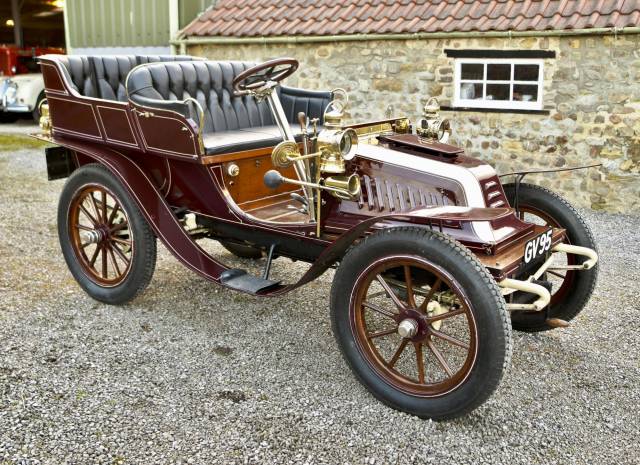
1902 | Darracq Type F

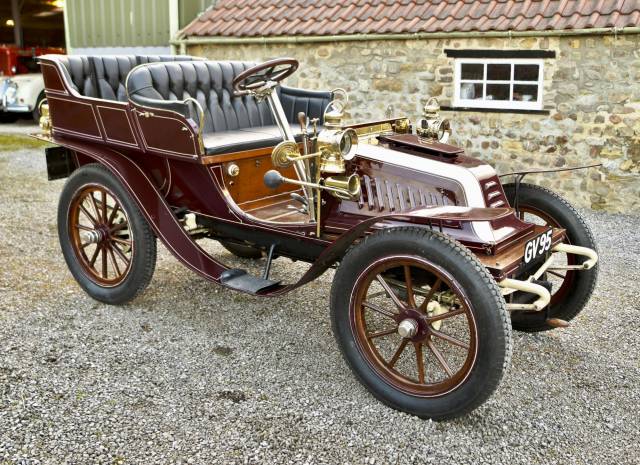
1902 | Darracq Type F
Create search alert
Let yourself be notified as soon as a listing is published that matches your search filters.
Create listing
Do you have a Darracq Type F that you want to sell? Then create a listing now.
Create listingDarracq Type F Classic Cars: Prices & Market Values
History of the Darracq Type F
The Darracq Type F, introduced in 1902, marked a key milestone in the development of early motoring. Darracq, a French manufacturer founded by Alexandre Darracq, gained a reputation in the brass-era for constructing both reliable and innovative vehicles. The Type F reflects that approach, combining user-friendly operation and advanced technology for its time. Originally built as a rear-entrance tonneau with four seats, the car was aimed at providing both comfort and practicality—qualities that made it attractive to Edwardian motorists who demanded dependable transport in the dawn of the automobile age.
Model History
Within Darracq’s line-up, the Type F stands out for its use of the brand’s largest single-cylinder engine at 1,500cc, producing a notable 9 HP. The car followed the design trends of the early 1900s, utilising a sequential three-gear manual transmission and a robust wooden chassis. As manufacturing practices evolved, Darracq eventually replaced the Type F with more advanced multi-cylinder models, but the original design philosophy—focusing on straightforward engineering and daily usability—continued to influence Darracq development for years to come.
Highlights and Unique Features
The Darracq Type F offers several distinct features. Its most notable attribute is the single-cylinder 9 HP engine, the largest of its type ever built by Darracq. The vehicle’s rear entrance tonneau and comfortable four-seat arrangement were advanced for 1902, with well-upholstered black quilted leather and safety-orientated construction. The car also features electrical starting with a compressed-air assistance system and a clever steering damper to curb wheel shimmy on rough roads—a period innovation. Original brass accessories such as lamps, horn, and mirrors boast authentic appeal, while most examples now include discreet rear-mount LED lighting for improved road safety.
As of now, all Darracq models listed within our marketplace under the manufacturer code "9 CV" are Type F vehicles, accounting for 100% of both supply and listing interest for Darracq. This underlines the Type F’s prominence and exclusivity within both the Darracq portfolio and the market for early Edwardian vehicles.
Technical Data
Special Editions and Collectible Models
The Darracq Type F is often found with bespoke, period-specific touches, such as unique maroon paintwork with hand-applied cream coach lines, extensive brass fittings, and specially ordered tonneau covers. While each vehicle typically exhibits individual detailing due to owner preferences at delivery, there are no documented factory special editions. However, well-documented histories and participation in events like the London to Brighton Veteran Car Run contribute to the collector appeal of individual cars.
Weak Spots and Common Issues
Contemporary sources and experience with brass-era vehicles suggest attention should be paid to the integrity of the wooden frame and the correct functioning of the original braking system. The large single-cylinder engine benefits from regular maintenance, including lubrication checks and carburettor tuning. Owners should also ensure the operation of electrical starting systems and safety upgrades (such as LED lighting) are in working order. The availability of replacement parts, such as the original bronze Schebler carburettor or hand-crafted wooden wheels, is generally good among marque specialists, but authenticity must be checked when sourcing components.
Engine and Performance, Transmission and Handling
The Darracq Type F delivers 9 HP from its 1,500cc single-cylinder engine, providing steady propulsion for its era. The sequential 3-speed gearbox allows for controlled, predictable gear shifts, while the sturdy chassis and steering damper significantly enhance drivability—even over rough composite road surfaces. Conventional clutch and pedal arrangements facilitate ease of operation for drivers familiar with Edwardian technology. Brake system design prioritises safety, and the car’s robust construction supports reliability on vintage rallies and long-distance runs. - Darracq Type F, 9 HP, 1,500cc, sequential 3-speed manual, rear entrance tonneau, 1902
Interior, Comfort, Exterior and Design
The vehicle’s exterior was originally finished in deep maroon with cream coach lines—a configuration that underscores the craftsmanship of the day. The interior features four seats clad in black quilted leather, providing comfort and style. Accessories include brass lamps, mirrors, and horn, while period windshields mounted to each side shield occupants from the weather. Four original mounts for a Surrey top canopy are typically present, though the canopy seldom survives. Wooden spoke wheels, correctly recreated today, add authenticity, and two tonneau covers are often included for added weather protection.
Other Relevant Features
All Darracq Type F vehicles are eligible and widely regarded for participation in heritage events such as the London to Brighton Veteran Car Run. A copy of the original Darracq owner’s handbook is usually obtainable, proving valuable for both restoration and operational guidance. Many examples have been discreetly fitted with modern safety features, including LED rear lighting, responding to current regulations without compromising period appearance.
Summary
The Darracq Type F stands as a unique example of Edwardian vehicle engineering: a 1902 four-seat rear entrance tonneau powered by Darracq’s largest-ever single-cylinder engine. Authentic details, well-preserved original features, and suitability for prominent veteran car events distinguish the Type F on today’s classic market. 100% of classic Darracqs currently offered on Classic Trader belong to this rare model, ensuring focused attention from both enthusiasts and collectors alike.