Dallara F393 classic cars for sale
The Dallara F393 stands as a purebred Formula 3 chassis, crafted to compete at the highest level of single-seater racing in the early 1990s. With its Italian engineering and motorsport heritage, this car captures the essence of high-performance racing technology of its era.
Search results
Currently, there are no matching listings for your search.
Create search alert
Let yourself be notified as soon as a listing is published that matches your search filters.
Create listing
Do you have a Dallara F393 that you want to sell? Then create a listing now.
Create listingDallara F393 listing references from Classic Trader
Below you will find listings related to your search that are no longer available on Classic Trader. Use this information to gain insight into availability, value trends, and current pricing for a "Dallara F393" to make a more informed purchasing decision.
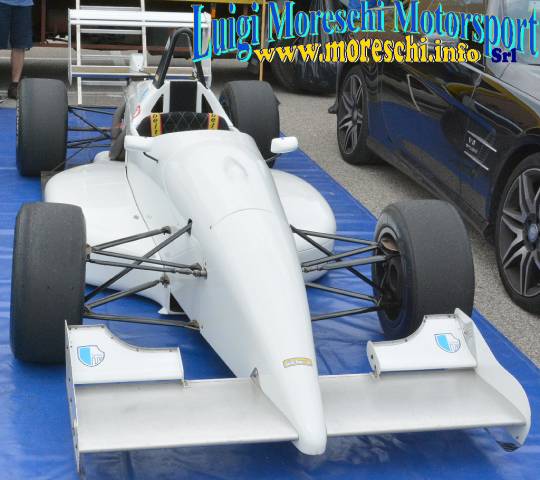
1993 | Dallara F393
Federale Renault
Create search alert
Let yourself be notified as soon as a listing is published that matches your search filters.
Create listing
Do you have a Dallara F393 that you want to sell? Then create a listing now.
Create listingDallara F393 Classic Cars: Prices & Market Values
History of the Dallara F393
Dallara, a name synonymous with international motorsport success, introduced the F393 for the 1993 Formula 3 season. The F393 reflects a period in Formula 3 where technological advancement and competition pushed chassis constructors to refine every detail for maximum performance. Developed at Dallara’s Italian headquarters, this model quickly found itself fielded by top-tier teams in competitive national and international F3 series. The F393’s success on the circuit is a testament to Dallara’s engineering philosophy and continued evolution as a leading supplier of racing chassis.
Model History
The Dallara F393 was the successor to the F392 and would itself be followed by the F394, marking Dallara's ongoing refinement cycle in F3 construction. Each season, upgrades addressed both FIA technical regulation changes and feedback from teams and drivers. The F393 therefore represents an important step in the lineage that leads directly to Dallara’s eventual dominance in international Formula 3 from the late 1990s onward.
Highlights of the Dallara F393
The Dallara F393 distinguished itself through its sophisticated aerodynamics, lightweight monocoque chassis, and the ability to accept a range of F3-compliant engines. The model provided an excellent open-wheel training ground for drivers aspiring to higher levels of motorsport, and its adaptability made it a favourite among privateer teams. Thanks to the precise Italian engineering, the F393 was notable for its cornering speeds and the consistent aero balance—key advantages on technical circuits.
Technical Data
Special Editions and Collectible Models
There are no officially documented special or limited editions of the Dallara F393, as Formula 3 chassis are primarily built to regulations and then tailored to team requirements. However, individual cars with notable race histories or distinguished team provenance may be considered desirable by collectors.
Weak Spots and Common Issues
As a thoroughbred Formula 3 chassis, the Dallara F393 requires diligent, race-focused maintenance routines. Particular attention should be paid to the condition of the carbon monocoque for any signs of stress or past repairs, as well as the life-cycle status of the suspension components, dampers, and braking systems. Standard checks after every event are essential: crack testing for wishbones, regular gearbox inspection, and periodic replacement of consumables like clutch and brake pads. As most mechanical parts were produced to motorsport specification, sourcing spares today usually relies on specialist suppliers or adapting modern equivalents.
Engine and Performance, Transmission and Handling
The F393’s low weight, direct steering, and race-tuned suspension equip it for the sharp responses and high cornering speeds essential to Formula 3. Its 2.0-litre engine, depending on installation, provided not only impressive performance figures for its class but also encouraged precise throttle control and agility—favoured characteristics for drivers developing towards higher formulae. The Hewland gearbox, commonly fitted, allowed for rapid gear changes and high reliability under track conditions. The Dallara F393, with various engine configurations (Toyota, Volkswagen, Opel, Alfa Romeo), allowed teams to choose based on regional preferences and parts support. Performance distinctions were mostly down to setup and maintenance quality rather than fundamental differences in chassis specification.
Interior, Comfort, Exterior, and Design
Focused entirely on the demands of open-wheel circuit racing, the F393's cockpit was minimalist, stripping away all but the essential controls and readouts. Bucket seating with multi-point harnesses, a compact digital dash (often retrofitted by teams), and modular pedal positions reflected the priorities of lightweight construction and driver ergonomics. Externally, the car featured exposed pushrod suspension, sharp lines on the composite bodywork, prominent side pods, and adjustable front and rear aerodynamic elements. Colour schemes typically reflected team sponsors and national racing identities. There was no optional comfort equipment, as weight savings and focus on performance were paramount.
Other relevant features
Originality and documented history, such as participation in notable races or championships, can significantly impact the interest in an individual Dallara F393. Given the continuous evolution of F3 technical regulations and privateer modifications, checking any example for compliance with contemporary historic racing series requirements is essential before purchase.
Summary
The Dallara F393 encapsulates a pivotal era in Formula 3, blending advanced composite construction and agile handling with Italian engineering know-how. Its relevance in both historic race series and as a collector's piece is shaped by originality, serviceability, and provenance. Buyers should focus on maintenance records, originality of components, and chassis integrity when seeking out this thoroughbred racer.