Dacia 1310 classic cars for sale
The Dacia 1310, an evolution of the 1300, shaped Romanian automotive streetscapes for decades. Spanning four doors, various body styles, and a robust, straightforward tech setup, this car epitomises pragmatic engineering and Eastern European endurance. Vehicles of this series represent the backbone of Dacia's late 20th-century output, with a unique standing among classic car enthusiasts looking for authentic, no-frills drives.
Search results
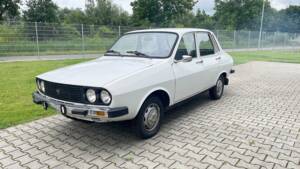
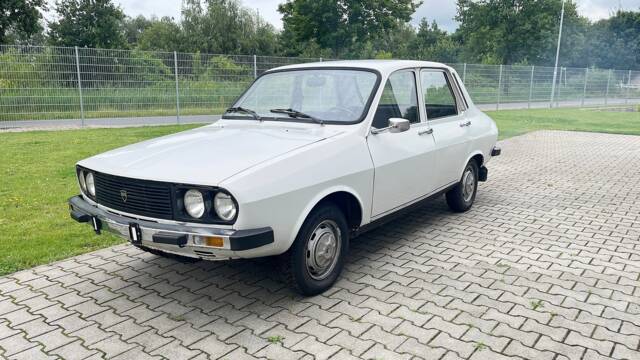
1984 | Dacia 1310
Dacia 1310 – seltener Klassiker der 1980er-Jahre

Dacia 1310 listing references from Classic Trader
Below you will find listings related to your search that are no longer available on Classic Trader. Use this information to gain insight into availability, value trends, and current pricing for a "Dacia 1310" to make a more informed purchasing decision.
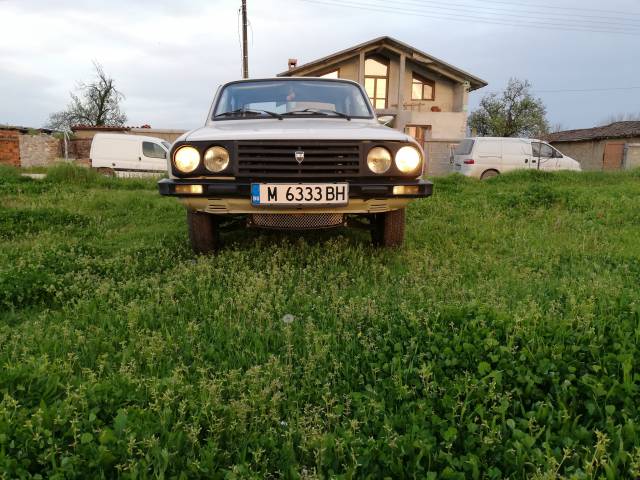
1986 | Dacia 1310
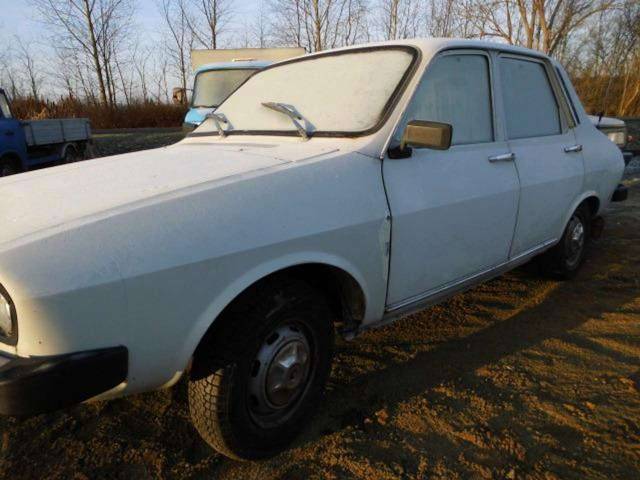
1983 | Dacia 1310
Dacia 1310
Dacia 1310 Classic Cars: Prices & Market Values
History of the Dacia 1310
Launched in 1979 at the Bucharest Auto Show as the successor to the Dacia 1300, the 1310 quickly became Romania’s most familiar car. The model marked a significant phase in the nation's car industry, bridging the 1980s and the post-communist era. Over nearly three decades, the Dacia 1310 evolved through numerous updates, always reflecting the needs and realities of its home market. Joint production with Renault started in 1999, extending the model’s lifespan until the release of its successor, the Dacia Logan, in 2006.
Model History
The Dacia 1310 was introduced as an updated take on the Dacia 1300, itself based on the Renault 12. The original Dacia 1300 (1969–1979) set the stage, but the 1310 brought new trims, minor facelifts, and varied body types. As the range expanded, buyers could choose between sedans, estates, coupés, and pick-ups—often with slight cosmetic differences and steady technical underpinnings. After the long production run, the 1310 line wrapped up alongside the rise of the Logan, changing the course of Romanian automotive design.
Highlights of the Dacia 1310
The Dacia 1310 is distinguished by its remarkable production longevity and sheer numbers on Romanian roads—for decades, it was a trusted family car, taxi, and utility vehicle. Its accessible maintenance, tough mechanics, and no-nonsense approach gave it cult status among enthusiasts seeking functional charm. The flexible platform allowed for a range of body styles, which is rare for cars from Eastern Europe of its era.
Technical Data
Special Editions and Collectible Models
Across its lifespan, the Dacia 1310 saw market-specific editions and utilitarian offshoots. Notable are the pick-up and estate versions designed for business and agricultural tasks. Certain late-model cars, produced in limited numbers during the joint Dacia-Renault phase, may stand out for collectors due to subtle cosmetic updates and improved quality controls.
Weak Spots and Common Issues
Despite its ruggedness, recurring issues for the Dacia 1310 include body corrosion (especially sills, wheel arches, and lower doors), wear and tear in the manual transmission, and irregularities in carburettor tuning. Electrical gremlins in later years and limited rust protection require attentive upkeep, especially for vehicles exposed to harsh winters or stored outdoors.
Engine and Performance, Transmission and Handling
Driving a Dacia 1310 reveals its pragmatic priorities: modest engine power is paired with straightforward transmission and suspension. The 1.3-litre engine delivers enough thrust for everyday tasks, but the focus is on reliability over raw speed. The handling feels honest and predictable, with body roll typical for its class and era. Simple rear-wheel drive ensures low running costs and friendly workshop interaction. The classic four-door sedan and utilitarian estate are the most commonly encountered, with the van and pick-up variants drawing interest from those seeking practical, retro charm.
Interior, Comfort, Exterior and Design
The design of the Dacia 1310 traces its Renault roots, featuring boxy lines and simple contours. Minor facelifts throughout production added new headlamp assemblies, bumpers, and grille designs. Interior appointments focus on durability over luxury, with vinyl seating and plasticky dashboards. Accessories and optional equipment were basic, although later cars sometimes received brighter upholstery and modestly improved instrument clusters. The estate version offered a versatile load area, while exterior colours were typically restrained, echoing its market positioning. Special paint schemes or “lux” trim levels are rarely found, adding a touch of rarity to select models.
Other Noteworthy Features
The Dacia 1310’s cultural impact in Romania is vast—it became synonymous with local transport, state institutions, and even motorsport grassroots events. Its abundance of spare parts and technical documentation means it’s still supported by an active owner community, both within Romania and among Eastern European classic car aficionados.
Summary
The Dacia 1310 embodies mechanical simplicity, rugged charm, and an authentic slice of Eastern European car culture. For enthusiasts looking for an approachable classic, easy to understand and maintain, it’s the foundation of the Dacia heritage—represented today by outstanding supply and interest across the classic scene.