- Automobil
- Crane-Simplex
- Crane-Simplex Model 5 (0 Angebote)
Crane-Simplex Model 5 vintage cars for sale
The Crane-Simplex Model 5, launched in 1915, represents an exclusive chapter of American luxury and engineering, powered by a formidable 8.8-litre inline six delivering 110 hp. Produced in extremely limited numbers, this grand tourer stands out not only for its performance but for meticulous craftsmanship and custom bodywork—a true connoisseur’s machine from the great era of coachbuilt automobiles.
Suchergebnisse
Zur Zeit sind keine passenden Inserate zu Ihrer Suche veröffentlicht.
Create search alert
Let yourself be notified as soon as a listing is published that matches your search filters.
Create listing
Do you have a Crane-Simplex Model 5 that you want to sell? Then create a listing now.
Create listingCrane-Simplex Model 5 listing references from Classic Trader
Below you will find listings related to your search that are no longer available on Classic Trader. Use this information to gain insight into availability, value trends, and current pricing for a "Crane-Simplex Model 5" to make a more informed purchasing decision.
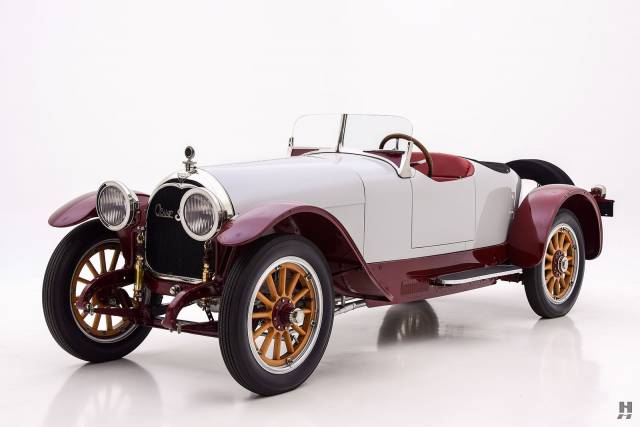
1915 | Crane-Simplex Model 5
Crane Simplex Model 5
Create search alert
Let yourself be notified as soon as a listing is published that matches your search filters.
Create listing
Do you have a Crane-Simplex Model 5 that you want to sell? Then create a listing now.
Create listingCrane-Simplex Model 5 Classic Cars: Prices & Market Values
History of the Crane-Simplex Model 5
The story of the Crane-Simplex Model 5 begins with the Crane Motor Car Company of New Jersey, renowned for building the most expensive cars in the United States during the early 1910s. Henry Middlebrook Crane, the mastermind behind these vehicles, created technically advanced and highly luxurious six-cylinder cars. When Simplex acquired Crane in 1915, this matched two American luxury titans. The result was the Crane-Simplex Model 5—a vehicle that embodied the technical prowess and prestige of both brands. The production run lasted just four years, with fewer than 500 vehicles produced in total, making each surviving example a significant automotive artefact.
Model Series History
The Model 5 succeeded earlier Crane models such as the Model 3 and Model 4, offering increased performance and refinement following the 1915 Simplex takeover. The rebadged Crane-Simplex used a further improved L-head inline six, increasing output from 100 hp to 110 hp and refining the chassis for even greater comfort and handling. The Model 5 was custom-bodied, often in sporting configurations such as boattail speedsters, but luxury saloons and tourers were also crafted. Owing to the practice of rebodying, many chassis outlived several bespoke bodies, reflecting both the durability and prestige associated with the brand.
Highlights of the Crane-Simplex Model 5
The Model 5 distinguished itself with a combination of grand scale, mechanical sophistication, and tailored luxury. Its 8,795 cc inline six-cylinder engine with L-head configuration produced a formidable 110 hp—an impressive figure for its era—resulting in class-leading torque and smooth power delivery. The Model 5 featured a nickel-plated radiator, distinctive headlamp and wheel hub accents, and a signature boattail rear design. Interiors showcased extensive woodwork, nickel-spoked steering wheels, and a full suite of period instrumentation, including a Warner Auto-Meter, amp and fuel gauges. Accessories ranged from canvas tonneau covers to bespoke red leather upholstery. Demand and supply statistics confirm its rarity and exclusivity: the Model 5 accounts for 100% of Crane-Simplex listings and search demand in our database, underlining its unique position as the single reference point for the marque.
Technical Data
Special Editions and Collectible Models
Due to the coachbuilt nature of each Model 5, every car is effectively unique. Notably, boattail speedster bodies and certain luxury touring variants are seen as especially collectible today, particularly those with documented provenance, preserved original features, or period accessories, such as Warner instrumentation or Waltham clocks.
Weak Spots and Common Issues
No specific technical issues are documented, but given the Model 5's bespoke and grand engineering, sourcing parts and materials for restoration or maintenance can be complex. Special attention must be paid to the original L-head engine, which, while robust, requires experienced hands and period-appropriate components. Vehicle histories often include body swaps due to the enduring chassis life, so originality and documentation are vital.
Engine and Performance, Transmission and Handling
The Model 5's signature is its 110 hp inline-six, which set standards for smoothness and torque delivery. The drivetrain allows for robust acceleration by early 20th-century standards, with a driving experience marked by balanced handling for such a substantial vehicle. Drive characteristics are enhanced by floating running boards and low, rakish windscreens, conferring a sporty character to models like the boattail speedster. The robust build and advanced chassis construction combine grand touring comfort with reassuring road manners for the era. The boattail speedster body style is prized for its aesthetics and dynamic qualities, while the luxury touring limousine configuration is celebrated for period-correct opulence and comfort.
Interior, Exterior and Design
Aesthetically, the Model 5 merged elegance and sporting intent: nickel-plated radiator grilles and accessories, floating running boards, sloping boattail rear ends, and detailed coachwork defined its presence. Interiors often featured red leather upholstery, deep red carpets, a wooden steering wheel with nickel spokes, and a centerpiece dashboard equipped with comprehensive instrumentation—including Warner Auto-Meter, Waltham clock, and controls for Bosch ignition and fuel systems. The rear compartment could be enclosed by a canvas hood when not in use, highlighting practical and luxury features emblematic of prewar American coachbuilding craftsmanship.
Other Features
Coachbuilt flexibility meant many Model 5s display unique combinations of details, from extra spare wheels at the rear to distinctive door arrangements and elegantly integrated dampers. The prevalence of body changes and the bespoke nature of each order make originality and provenance especially important for collectors and restorers.
Summary
The Crane-Simplex Model 5 stands as a testament to the height of American prewar automotive engineering: uniquely powerful, meticulously crafted, and exceptionally rare. Each example is a snapshot of the luxury, ingenuity, and craftsmanship of its age, commanding appreciation among experts for its technical bravery and high levels of bespoke design. With less than 500 made and a supply matching demand perfectly, the Model 5 occupies a singular space within the world of historic luxury automobiles.