Cooper 500 Classic Car for Sale
The Cooper 500 is a milestone in post-war motorsport history, known for its lightweight tubular frame, open-wheel construction and diverse use in 500cc Formula 3 racing. With roots in British engineering ingenuity, this model shaped a new era of racing accessible to both professionals and ambitious private drivers.
Search results
Currently, there are no matching listings for your search.
Create search alert
Let yourself be notified as soon as a listing is published that matches your search filters.
Create listing
Do you have a Cooper 500 that you want to sell? Then create a listing now.
Create listingCooper 500 listing references from Classic Trader
Below you will find listings related to your search that are no longer available on Classic Trader. Use this information to gain insight into availability, value trends, and current pricing for a "Cooper 500" to make a more informed purchasing decision.
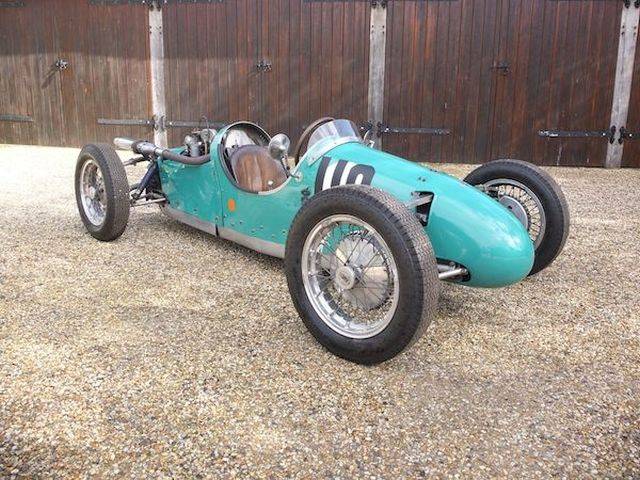
1951 | Cooper Cooper 500 JAP Formula 3 car

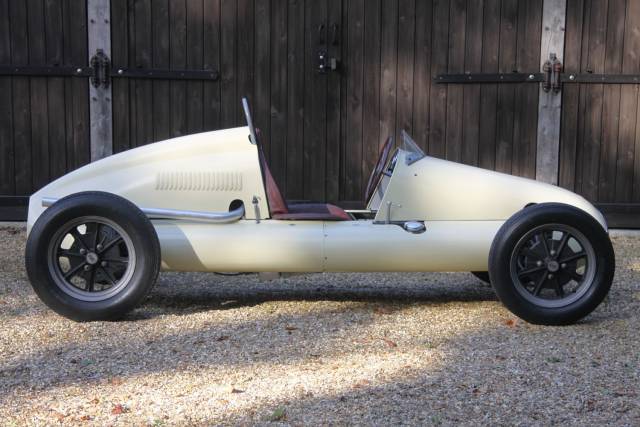
1951 | Cooper Cooper 500 JAP Formula 3 car
Cooper 500 - The Pulse Jet Car - MkV/12/51
Create search alert
Let yourself be notified as soon as a listing is published that matches your search filters.
Create listing
Do you have a Cooper 500 that you want to sell? Then create a listing now.
Create listingCooper 500 Classic Cars: Prices & Market Values
History of the Cooper 500
The Cooper 500 emerged in 1946 from Surbiton, Surrey, marking the first-ever car produced by the Cooper Car Company. Born out of material scarcity after World War II, the first prototypes combined Fiat Topolino suspension with a JAP 500cc single-cylinder motorcycle engine. These engineering choices reflected both creativity and necessity, setting a template for economical racing. Initially developed for the emerging 'Half-Litre Club' 500cc racing class, the Cooper 500 was a catalyst for the popularisation of Formula 3 and transformed motorsport accessibility for clubs and privateers across the UK and later Europe. This model became a fixture at circuits like Prescott, Goodwood, and Brands Hatch, and its design philosophy shaped generations of single-seater racing cars.
Model History
The Cooper 500 family began with post-war prototypes (T2/T3) and evolved into the Mk.II by 1948. The model was continually refined for competition, resulting in subvariants like the MkV. Depending on national racing regulations, the 500 received various engine configurations, notably JAP and Norton, and even special Ford engines for Ireland’s 1172cc class. The model’s adaptability ensured its popularity on British, Irish, French, Australasian speedway and road circuits. Customers could specify bodywork layouts, colours and equipment direct from the factory, resulting in a wide range of unique vehicles.
Highlights and Unique Features
Distinctive for its tubular space frame and minimal open monoposto body, the Cooper 500 placed function over frills. The extremely low seating position, exposed wheels, and compact steering wheel directly conveyed every racing input. Technical features like the Norton 4-speed gearbox and the frequent use of an Amal double-chamber carburettor exemplified a focus on performance within tight formula constraints. The car’s legal status for historic sprints, hill climbs, and circuit races endears the model to both collectors and active vintage racers.
Technical Data
Special Editions and Collectible Variants
The Cooper 500 line featured several notable submodels such as the MkV, tailored for different markets and regulations. Some vehicles were uniquely fitted with alternative propulsion, including experimental pulse-jet engines, making these particular examples stand out in historic registers. Special paintwork and accessories were often commissioned to customer specification, and period modifications for events like the Irish 1172cc Formula races or one-off record attempts contribute to the diversity among surviving examples.
Maintenance and Known Issues
While no prominent, recurring weak points are reported in surviving sources, maintenance demands reflect the car’s pure racing pedigree. Originality in suspension components (often sourced from Fiat Topolino), chain-drive transmission, and classic motorcycle engines require specialist knowledge and dedicated parts sourcing. Race-driven models may exhibit chassis stress or period repairs; carburettor and exhaust setups need regular attention to comply with event noise limits. Historic documentation, such as photo records or prior period press, can add crucial transparency to any purchase.
Engine, Performance, Transmission and Handling
The Cooper 500 delivers a visceral driving experience typical of immediate post-war engineering—involving, direct and uncompromising. JAP and Norton engines, with up to 45 hp, interact with lightweight construction to produce responsive acceleration and agile handling. The chassis’ minimal weight and uncompromised suspension transmit every nuance of track surface to the driver. A Triumph or Norton transmission, combined with chain drive, keeps power delivery characteristic of 1950s singleseaters—simultaneously simple and demanding. The mechanical purity makes the car a mainstay at historical motorsport events where authenticity of experience is valued. - MkV: Developed for competitions in 1951, using Norton 4-speed gearboxes and adapted to multiple engine configurations.
- Market-specific variants: Irish 1172cc Ford-engined models, seen particularly in Ireland, stand out due to their departure from the standard 500cc formula for local rules compliance.
Interior, Comfort, Exterior and Design
Interior appointments are utilitarian—bucket racing seats, functional control panels, and only essential instruments. Comfort takes a back seat to direct feedback and race readiness: low-slung cockpits, exposed pedals, freestanding steering and a spartan dashboard. Externally, variations in customer-specified paint, open wheeled hubs, a simple roll hoop and ‘form follows function’ monoposto shapes distinguish each car. Few, if any, luxury or comfort features were offered, though custom accessories or period-correct leathers may adorn some survivor examples. Visual impact comes from the stripped-down chassis, proudly displaying mechanics and engineering rather than concealing them.
Other Relevant Features
Many Cooper 500s remain active in the historic racing scene, regularly participating in gatherings founded by the 500 Owners Association and select annual events throughout the UK and Europe. Their eligibility for major hill climb, sprint and circuit competitions ensures continuous activity and visibility among serious motorsport collectors and drivers.
Summary
The Cooper 500 was instrumental in shaping post-war motorsport, blending engineering innovation with competitive spirit at an accessible scale. Its lightweight, purpose-built nature and evolutionary design history offer lasting appeal for vintage racing enthusiasts and collectors seeking a direct connection to Britain’s most creative racing era.