- Car
- Continental
- Continental Mark II (1 offer)
Continental Mark II classic cars for sale
The Continental Mark II, produced from 1956 to 1957, epitomises handcrafted American luxury with its sophisticated mid-century design and remarkable attention to detail. As one of the most exclusive and expensive vehicles of its era, only a few hundred examples were built, each tailored for discerning clientele seeking something beyond mass-produced elegance.
Search results
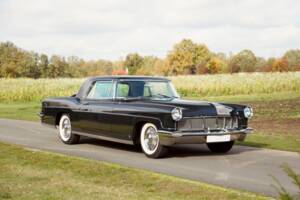
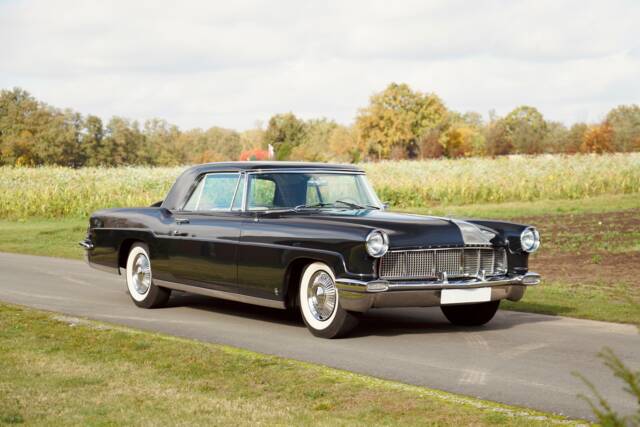
1957 | Continental Mark II
ex-Elke Sommer

Continental Mark II listing references from Classic Trader
Below you will find listings related to your search that are no longer available on Classic Trader. Use this information to gain insight into availability, value trends, and current pricing for a "Continental Mark II" to make a more informed purchasing decision.
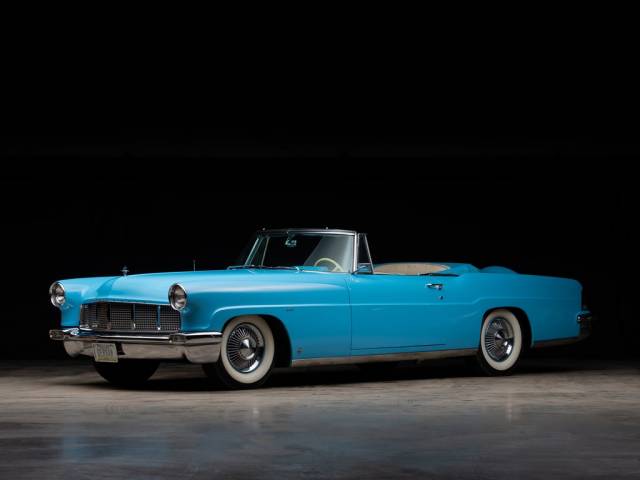
1956 | Continental Mark II Derham
1956 Continental Mark II Convertible by Derham

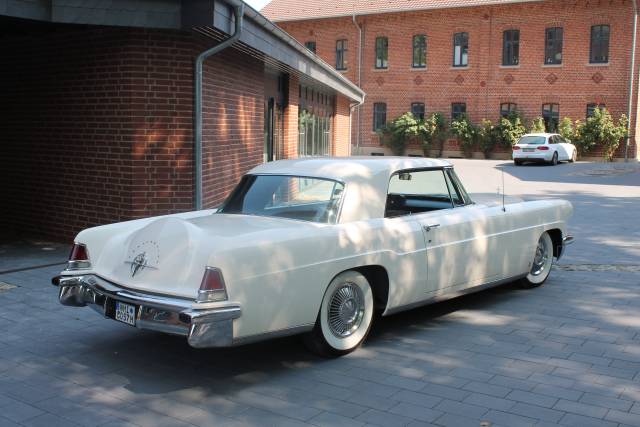
1957 | Continental Mark II
Elegance and luxury
Continental Mark II Classic Cars: Prices & Market Values
History of the Continental Mark II
The Continental Mark II emerged from Ford Motor Company’s ambition to redefine automotive luxury following World War II. Under the guidance of William Clay Ford, the newly established Continental Division set its sights on crafting an unmatched flagship vehicle, regardless of cost. Initially envisioned as a varied line-up—including a saloon and a convertible—the actual production centred solely on a two-door coupé, reflecting a philosophy of understated sophistication rather than flamboyance. Produced from 1956 to 1957, every Mark II was individually hand-assembled with meticulous attention to finish, paintwork, and interior furnishings. Each vehicle served as a rolling statement of American craftsmanship during the height of the Jet Age, blending traditional values with modernist lines.
Model Range and Evolution
The Mark II was designed as the spiritual successor to the 1939–1948 Lincoln Continental, carrying forward the ethos of refined exclusivity. While initial concepts included four-door saloons and convertibles, only the two-door coupé reached serial production. Its brief production run, spanning just two model years, saw only minor technical refinements—most notably, the adoption of the 'Directed Power' limited-slip differential in 1957 for improved traction. After the Mark II, the Continental brand was reincorporated into Lincoln, paving the way for future Mark Series vehicles without direct continuation of the stand-alone Continental marque.
Highlights of the Continental Mark II
The Mark II’s claim to fame is its fusion of understated design and uncompromising build quality. Styled by John Reinhart and Gordon Buehrig, the car presents clean, classical proportions and minimal ornamentation—a distinct departure from the ostentation typical of the period. Its interiors set new standards with elaborate upholstery, extensive soundproofing, and customisable materials, all tailored at the behest of its select clientele. As the most expensive American car of its time—commanding around $10,000 in the mid-1950s—the Mark II was reserved for a select few, making it an item of rarity and prestige, with just 444 units constructed in its final year.
Technical Data
Special Editions and Collectible Variants
Officially, no factory-built special editions of the Continental Mark II were offered during its two-year production run. However, certain prototypes, including a handful of convertible models, were constructed as unique show and demonstration pieces. These non-standard examples, often used for display at automotive exhibitions of the 1950s, are highly valued among collectors for their exceptional rarity and provenance.
Engine, Performance, Transmission and Handling
With its robust 6.0-litre V8 and seamless automatic gearbox, the Mark II offered effortless, torque-driven performance unmatched by many contemporary rivals. Rear-wheel drive and, from 1957, a limited-slip differential, provided reliable traction and a composed driving experience. Although focused more on refined comfort than dynamic agility, the Mark II’s quality suspension and soundproofed interior delivered a serene cruise even at highway speeds. Particularly noteworthy are the 1957 variants featuring the Directed Power limited-slip differential, providing improved handling characteristics over the already refined 1956 models.
Interior, Comfort, Exterior and Design
The Continental Mark II’s design reflects a purposeful balance of restraint and grace, orchestrated by John Reinhart and Gordon Buehrig, key figures in postwar American automobile styling. Exterior finishes featured meticulously hand-fitted body panels, complemented by chrome accents that avoided the excessive ornamentation found in period competitors. Inside, each Mark II showcased advanced seat upholstery, bespoke quality carpeting, and optional fabrics or leather, matched to the buyer’s specifications. Auxiliary features included tailored luggage, comprehensive documentation, and rare factory accessories. Paint and trim options were refined rather than flamboyant, embodying a philosophy of quiet exclusivity.
Other Notable Features
Every Continental Mark II left the factory with thorough documentation, detailing build and ownership history—a testament to the meticulous process and personalisation typically associated with each individual car. Preventative measures like extensive rust-proofing, unusual for the time, further contributed to their survival and reputation for enduring quality. Some vehicles have appeared in high-profile exhibitions, underscoring their status within the luxury class of the 1950s.
Summary
The Continental Mark II stands as a monument to American luxury automotive engineering, combining technical innovation, singular design, and meticulous hand-craftsmanship. Built in limited numbers and with a focus on uncompromised quality, the Mark II is a unique representative of mid-century elegance, offering a tangible link to an era when customisation, comfort, and status defined the upper end of the motoring world.