Connaught Type A classic cars for sale
The Connaught Type A stands as a cornerstone in early post-war British motorsport history—a Formula Two racer shaped by innovative engineering and persistent competition from 1950 to the late 1950s. This model is a prime example of Connaught Engineering’s race-focused design philosophy.
Résultats de la recherche
À l'heure actuelle, il n'y a pas d'annonces correspondant à votre recherche.
Create search alert
Let yourself be notified as soon as a listing is published that matches your search filters.
Create listing
Do you have a Connaught Type A that you want to sell? Then create a listing now.
Create listingConnaught Type A listing references from Classic Trader
Below you will find listings related to your search that are no longer available on Classic Trader. Use this information to gain insight into availability, value trends, and current pricing for a "Connaught Type A" to make a more informed purchasing decision.
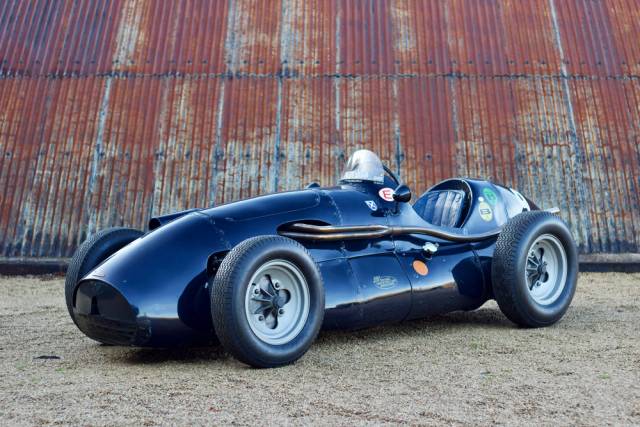
1952 | Connaught Type A
Create search alert
Let yourself be notified as soon as a listing is published that matches your search filters.
Create listing
Do you have a Connaught Type A that you want to sell? Then create a listing now.
Create listingConnaught Type A Classic Cars: Prices & Market Values
History of the Connaught Type A
The Connaught Type A was developed during the formative years of Formula Two racing, with its roots going back to 1950. Connaught Engineering, a British outfit renowned for technical innovation, built the Type A specifically for this new racing category. Competing through the early to late 1950s, the Type A participated in numerous prestigious events across Europe, helping to re-establish Britain’s presence in open-wheel motorsport after World War II.
Model History
The Type A was Connaught’s first effort in Formula Two, designed to take advantage of the regulations introduced for the 1950s. Its immediate successor in the Connaught race car lineage was the Type B, which evolved the engineering concepts established by the Type A. The transition marked a continued pursuit of higher performance and reliability, in line with the increasingly competitive Formula Two field.
Highlights and Statistics
The most distinctive feature of the Connaught Type A is its dedicated Formula Two design, focused on lightweight construction and advanced engineering for its era. It is celebrated for helping pioneer British single-seater competition car manufacturing after WWII. Due to its limited production and competitive record, each car's provenance can usually be traced, adding to its appeal for motorsport historians and dedicated collectors.
Technical Data
Special Editions and Collectible Models
There were no officially designated special editions of the Connaught Type A. Each car, however, may carry individual historic significance based on race entries, results, and drivers, making original, documented examples particularly sought after within specialist circles.
Weak Spots and Common Issues
No documented weak spots are available for the Connaught Type A due to its rarity and the specialist knowledge required to maintain or restore one. Buyers should rely on inspection by marque experts and meticulous review of provenance when considering acquisition.
Engine and Performance, Transmission and Handling
The Type A’s performance was calibrated specifically for Formula Two racing. It was known for agile handling, partly due to its lightweight engineering and advanced suspension for its day. The powertrain, transmission, and chassis combined to deliver competitive lap times against contemporaries from both British and continental European constructors. Today, surviving examples are often maintained as historic racing cars and can still be seen in vintage motorsport events, appreciated for their authentic driving experience. The Connaught Type A itself is the focus, each chassis historically significant due to the model's low production numbers and racing provenance.
Interior, Comfort, Exterior and Design
As a thoroughbred Formula Two machine, the Connaught Type A featured an uncompromising single-seater cockpit with only essential instrumentation. Its exterior was shaped by function—sleek, low-slung bodywork optimised for aerodynamics rather than comfort. Materials used were typically lightweight metals, with purposeful simplicity being central to the design. Period features such as wire wheels, exposed suspension components, and minimalistic interiors are defining characteristics. Connaught did not deliver luxury or accessory options for the Type A; everything served a direct performance purpose.
Other Noteworthy Details
Each Connaught Type A can often be traced through detailed period documentation, and some chassis boast competition history with renowned drivers. The model’s status as a pioneer in post-war British racing engineering makes it an important reference point for collectors focused on open-wheel competition heritage.
Summary
The Connaught Type A is notable both as Connaught Engineering’s entry into Formula Two and as a milestone in early British motorsport recovery after WWII. Rare, uncompromising, and significant within its field, the Type A embodies a remarkable period in open-wheel race car history.