- Voiture
- Chalmers-Detroit
- Chalmers-Detroit 6-30 (0 one offre)
Chalmers-Detroit 6-30 classic cars for sale
The Chalmers-Detroit 6-30 stands out as a rare representative of early 20th-century American automotive engineering. Though few have survived, this model series is a fascinating choice for collectors seeking true pioneers of motoring history.
Résultats de la recherche
À l'heure actuelle, il n'y a pas d'annonces correspondant à votre recherche.
Create search alert
Let yourself be notified as soon as a listing is published that matches your search filters.
Create listing
Do you have a Chalmers-Detroit 6-30 that you want to sell? Then create a listing now.
Create listingChalmers-Detroit 6-30 listing references from Classic Trader
Below you will find listings related to your search that are no longer available on Classic Trader. Use this information to gain insight into availability, value trends, and current pricing for a "Chalmers-Detroit 6-30" to make a more informed purchasing decision.
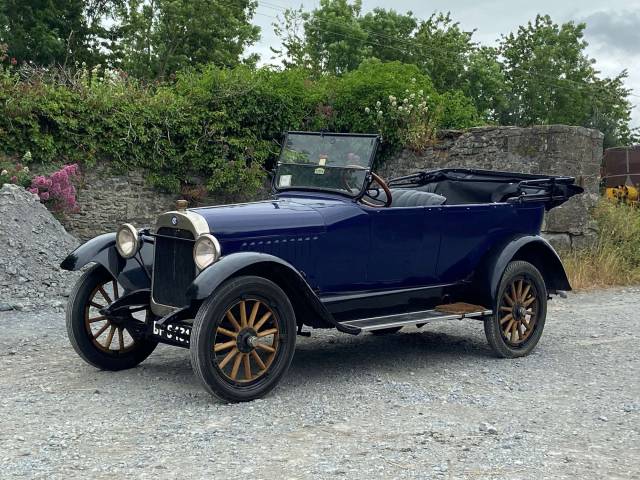
1918 | Chalmers-Detroit 6-30
1918 Chalmers Six-30 Open Tourer
Create search alert
Let yourself be notified as soon as a listing is published that matches your search filters.
Create listing
Do you have a Chalmers-Detroit 6-30 that you want to sell? Then create a listing now.
Create listingChalmers-Detroit 6-30 Classic Cars: Prices & Market Values
History of the Chalmers-Detroit 6-30
Chalmers-Detroit, emerging from the dynamic era of American automotive innovation in the early 1900s, developed the 6-30 as part of its quest to advance mid-size performance and reliability. The marque played a significant role before the industry consolidation of the 1920s. The '6' referred to the straight-six engine layout, while the '30' likely referenced the horsepower class—common practice for manufacturers of the period. These cars reflected the rapid progress from brass-era simplicity toward vehicles capable of consistent, long-distance travel.
Model History
The Chalmers-Detroit 6-30 followed the trajectory of Chalmers’ attempts to offer mid-tier cars with robust build and reliable running features. Predecessors featured four-cylinder engines, but the shift to six cylinders with the 6-30 marked technological ambition. After the 6-30, Chalmers continued developing cars until merging operations, with the model series forming part of the foundation upon which later Chrysler designs would be based.
Highlights of the Chalmers-Detroit 6-30
The Chalmers-Detroit 6-30 holds interest for several reasons: early adoption of a straight-six engine for smoother running, emphasis on durability, and the historical context as one of the last independent brands before Chrysler consolidation. Survivors are rarely seen at European events, underlining their exclusivity.
Technical Data
Special Editions and Collectible Models
There are currently no documented special editions of the Chalmers-Detroit 6-30. However, coachbuilt and customized examples may exist and are valued for their unique historical context.
Weak Spots and Common Issues
As with many vehicles from the brass era, original parts for the Chalmers-Detroit 6-30 are scarce, and restoration quality varies. Mechanical components, particularly engine internals and ignition systems, require thorough inspection. Electrical systems, often updated or improvised over time, can be a weak point. Chassis and body rust are also typical areas to check. Expertise in vintage engineering is essential for maintenance and restoration.
Engine, Performance, Transmission and Handling
The six-cylinder inline engine of the 6-30 provided smoother operation compared to many contemporaries, supporting a steady but modest cruising speed suitable for early highways and rural roads. The driving experience is defined by the era, with heavy steering, mechanical brakes, and suspension tuned for less-than-perfect surfaces. The manual transmission demands a careful approach—double-clutching is a must. True to the period, performance is measured more in reliability and capability for distance than outright speed. Within the Chalmers-Detroit marque, the 6-30 remains the only model of significant presence on the current market, noted for its technical layout and rarity.
Interior, Comfort, Exterior and Design
The 6-30's bodywork typically features open and closed touring configurations with upright radiator grille and wooden wheels. Interiors are often finished with durable leatherette or early cloth, while brass or nickel-plated fittings are period-correct. Dashboard instrumentation remains minimal, reflecting the technical focus of the time. Special-order paint colours and coachwork by third-party firms may appear on rare examples. Accessories such as rear luggage racks, running board toolboxes, and period lighting are highly sought after.
Other Relevant Features
Vehicle provenance, authenticity of bodywork, and documentation history add considerable value to the 6-30. Due to the model's rarity, peer-to-peer sharing of maintenance knowledge and recognition at shows is a notable aspect of ownership.
Summary
The Chalmers-Detroit 6-30 impresses through its historical significance, technical curiosity, and rarity on today's market. It is a touchstone for enthusiasts of early American motoring, demanding specialist knowledge from its keepers and rewarding them with a unique driving and collecting experience.