- Voiture
- Burlington
- Burlington Arrow (0 one offre)
Burlington Arrow classic cars for sale
The Burlington Arrow combines the spirit of vintage roadsters with enthusiast-focused kit car engineering. With its classic pre-war appearance and unique customisability, the Arrow remains a distinctive choice for drivers keen on hands-on restoration and open-air motoring.
Résultats de la recherche
À l'heure actuelle, il n'y a pas d'annonces correspondant à votre recherche.
Create search alert
Let yourself be notified as soon as a listing is published that matches your search filters.
Create listing
Do you have a Burlington Arrow that you want to sell? Then create a listing now.
Create listingBurlington Arrow listing references from Classic Trader
Below you will find listings related to your search that are no longer available on Classic Trader. Use this information to gain insight into availability, value trends, and current pricing for a "Burlington Arrow" to make a more informed purchasing decision.
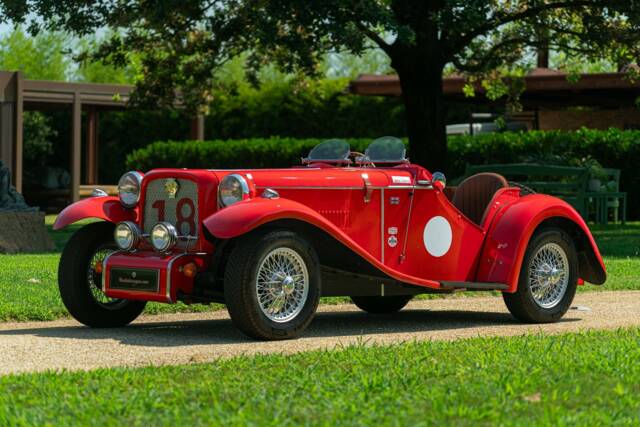
1963 | Burlington Arrow
Triumph BURLINGTON ARROW
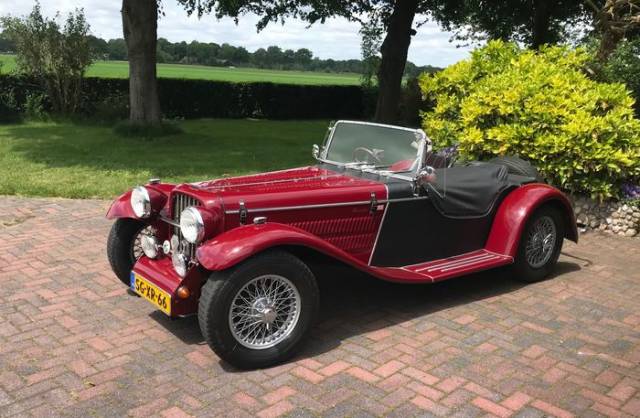
1987 | Burlington Arrow
Create search alert
Let yourself be notified as soon as a listing is published that matches your search filters.
Create listing
Do you have a Burlington Arrow that you want to sell? Then create a listing now.
Create listingBurlington Arrow Classic Cars: Prices & Market Values
History of the Burlington Arrow
The Burlington Arrow emerged in the UK kit car scene during the 1970s, inspired by the elegant lines of 1930s British sports cars. The Arrow was designed to be built by the owner, using donor parts—most often from Triumph Heralds—making classic car ownership more accessible. Its open-fendered silhouette and exposed mechanicals were a nod to a golden era of motoring, allowing enthusiasts to experience the nostalgia of vintage driving without the challenges and costs associated with authentic pre-war vehicles.
Model evolution and background
The Arrow was Burlington's signature offering, built on a philosophy of DIY assembly. The model did not have a predecessor within the Burlington range, and was conceived as an homage to classic British roadsters like the MGs and Morgans of the 1930s. The Arrow's design persisted with minimal changes throughout its production life, thanks to the simplicity of its chassis and bodywork, although some owners added custom modifications or experimented with alternative donor vehicles. As the hallmark of Burlington's small-scale production, the Arrow remains the most recognised of their creations.
Highlights and distinctive features
The Arrow stands out for its kit car format, allowing a highly individualised approach to both mechanics and aesthetics. Its lightweight construction and use of Triumph mechanicals made it not only accessible for hobbyists, but also highly serviceable. The car's classic open-wheel look, flowing wheel arches, and upright radiator grille make it immediately recognisable at any gathering of period cars. Some Arrows have been customised with upgraded engines or period-inspired finishes to further underline their unique character.
Technical Data
Special Editions and Collectible Models
There are no factory-produced special editions of the Burlington Arrow, as each car is fundamentally unique due to its kit nature. However, some builds have become notable for period-correct detailing, particularly well-executed craftsmanship, or rare mechanical upgrades, making them stand out among kit car enthusiasts.
Engine, Performance, Transmission and Handling
Performance is highly dependent on the donor components—most commonly a Triumph Herald engine producing moderate power for relaxed cruising rather than outright speed. The lightweight body delivers responsive steering, and the classic, upright seating position places the driver at the heart of the experience. Manual transmissions are the norm, offering a direct, mechanical engagement. Chassis and handling can vary according to build quality; careful assembly is crucial for proper road holding and safety. The majority of surviving Arrows use the Triumph Herald four-cylinder engine (948 cc to 1296 cc) and corresponding 4-speed manual gearbox. Some owners have swapped in engines from other Triumph models or upgraded brakes/suspension for improved drivability.
Interior, Comfort, Exterior and Design
The Arrow is renowned for its 1930s roadster style: long bonnet, external mudguards, simple flat windscreen, and minimalistic cockpit. Interiors are basic yet period-evocative, with timber dashboards, Smiths instruments (where fitted), and often deep bucket seats or bench seating. Exterior finish varies from brushed aluminium to hand-painted fibreglass, with plenty of room for individual flare—such as wire wheels, spot lamps, and leather bonnet straps. Factory luxury was absent, but each Arrow reflects its builder's taste; occasional luggage racks, hood options, and weather gear make appearances as bespoke accessories.
Other features and facts
Due to the Arrow’s kit car nature and use of classic Triumph underpinnings, spare parts for mechanical components are generally accessible from the Triumph classic spares market. Registration processes may vary, as many Arrows are classified as reconstructed classics. Their appeal lies in allowing enthusiast-level restoration and a direct connection to old-school motoring.
Summary
The Burlington Arrow delivers authentic 1930s open motoring in an accessible, hands-on package tailored for classic car enthusiasts. Offering full construction flexibility and rooted in the practical Triumph Herald platform, every Arrow is unique. Its prominent presence in the Burlington market makes it the go-to choice for anyone seeking an affordable, characterful entry into traditional British sports cars.