BRM P48 classic cars for sale
The BRM P48 stands as a pivotal milestone for British Racing Motors, marking the brand's first venture into rear-engined Formula One design in 1960. This historic single-seater, though short-lived, represents a unique chapter in F1 engineering that attracts true motorsport enthusiasts. Explore available BRM P48 models and delve deeper into their story.
Search results
Currently, there are no matching listings for your search.
Create search alert
Let yourself be notified as soon as a listing is published that matches your search filters.
BRM P48 listing references from Classic Trader
Below you will find listings related to your search that are no longer available on Classic Trader. Use this information to gain insight into availability, value trends, and current pricing for a "BRM P48" to make a more informed purchasing decision.
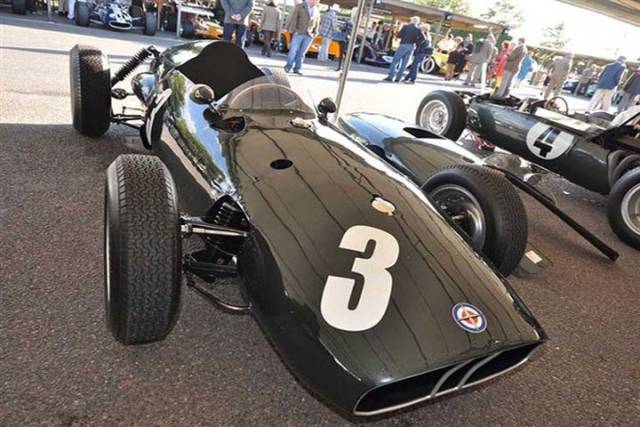
1960 | BRM P48
Create search alert
Let yourself be notified as soon as a listing is published that matches your search filters.
BRM P48 Classic Cars: Prices & Market Values
Introduction and history of BRM P48
In 1960, British Racing Motors introduced the P48, responding to the rapidly growing trend of rear-engined Formula One cars. With mid-engine layouts having proved their worth on the grid, BRM made a decisive, albeit rushed, switch from its ageing P25 front-engined design. The result was a single-seater that, while technologically significant as BRM’s first rear-engined race car, was plagued by teething troubles on both the speed and reliability fronts. Ultimately, the P48 paved the way for its successor, but its brief career is a testament to the fierce innovation that defined the era.
Model history
The P48 marks a clear turning point in BRM’s racing philosophy. Developed as a successor to the P25, it was essentially a repurposed version of the earlier car with its Coventry Climax engine moved behind the driver. The car had a single competitive season before being replaced by the reworked P48/57 in 1961, showing how fiercely competitive and fast-moving F1 development cycles could be at the start of the 1960s.
Highlights of the BRM P48
The P48's most notable achievement is its status as BRM's inaugural rear-engined Formula One car. While its competition record was short and often overshadowed by reliability issues, the significance of such a radical design departure is not lost on collectors or motorsport historians. There are very few authentic examples of the original P48 today, heightening its exclusivity.
Technical data
Special Editions and Collectible Models
Records do not point to officially designated special editions of the BRM P48. Each surviving chassis holds value due to its rarity and its significance as BRM’s first foray into rear-engined Grand Prix racing.
Engine and Performance, Transmission and Handling
The switch to a rear-engine format with the P48 was motivated by the search for improved handling and better weight distribution. However, the rushed adaptation from the P25 meant that the P48 was often outpaced and beset by reliability troubles during its only season on the grid. Balance and traction were improved compared to its predecessor, but teething issues limited its potential. The sole engine option for the P48 was the Coventry Climax unit, paired with a transaxle that reflected contemporary developments in Formula One engineering. This remains the car’s definitive technical configuration.
Interior, Comfort, Exterior and design
Every aspect of the BRM P48’s design was focused on performance rather than comfort. The minimalist, function-driven cockpit is typical for period single-seaters, providing only the essentials for racing. The exterior is instantly recognisable by its aerodynamic bodywork and slender profile, attributes carried over and modified from the front-engined P25 to fit the rear-engine layout. No special trim levels, designer collaborations, or significant accessory packages are known for the P48, reflective of its pure motorsport intent.
Summary
For enthusiasts of vintage motorsport technology, the BRM P48 represents a highly influential, if brief, chapter in both BRM's history and the broader Formula One landscape. Its singular status in the market is mirrored by its historical role as a technical stepping stone for rear-engined race cars.