- Car
- British Leyland
- British Leyland Mini (1 offer)
British Leyland Mini Classic Cars for Sale
The British Leyland Mini stands for innovative engineering and maximum space efficiency, shaping British motoring culture since the late '60s. Unique options like the Clubman, estate, van and rare GTS make it a fascinating choice for classic car enthusiasts, offering a driving experience rooted in automotive history.
Search results

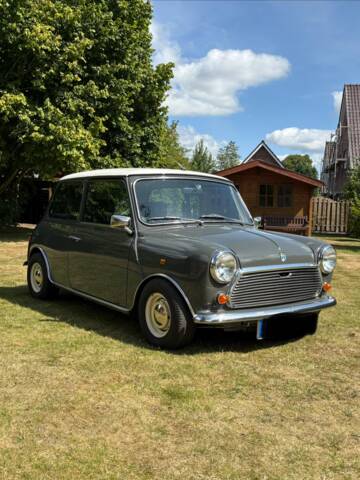

British Leyland Mini listing references from Classic Trader
Below you will find listings related to your search that are no longer available on Classic Trader. Use this information to gain insight into availability, value trends, and current pricing for a "British Leyland Mini" to make a more informed purchasing decision.
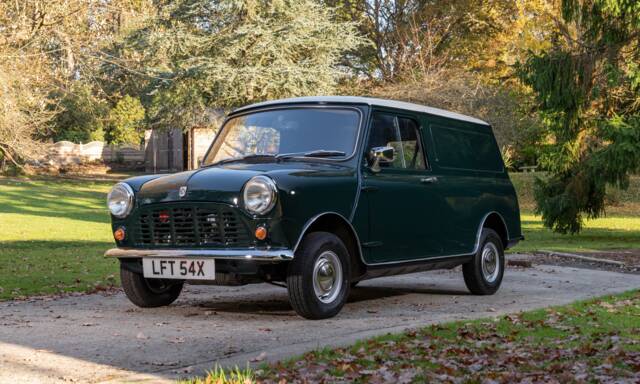
1981 | British Leyland Mini Van
1981 Leyland Mini Van

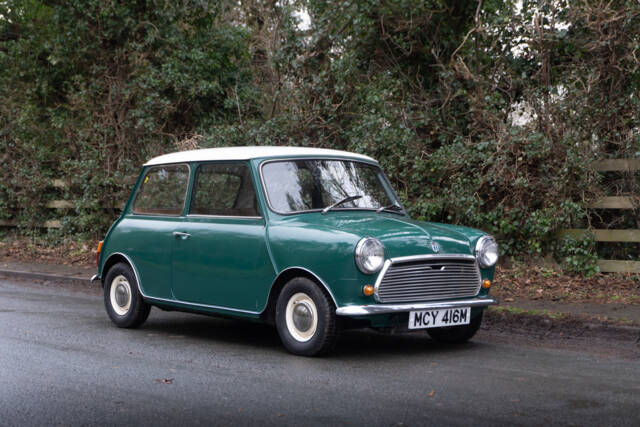
1974 | British Leyland Mini Oyler Contessa
1974 Mini Leyland Mini 1100
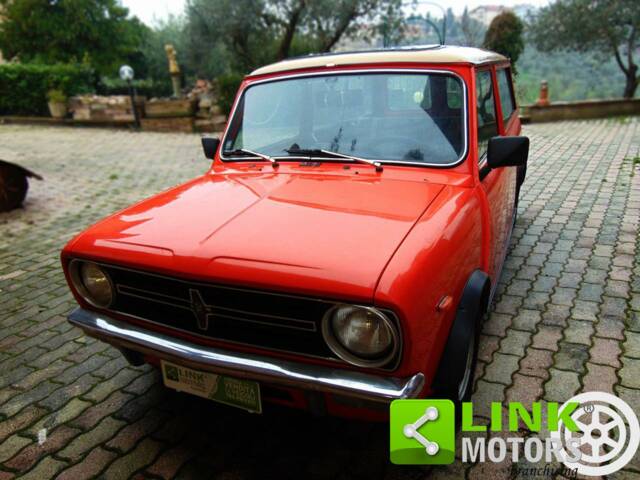
1980 | British Leyland Clubman Estate 1100
BRITISH LEYLAND Mini Clubman Estate 1100, manutenzione regolare, iscritta AIAC

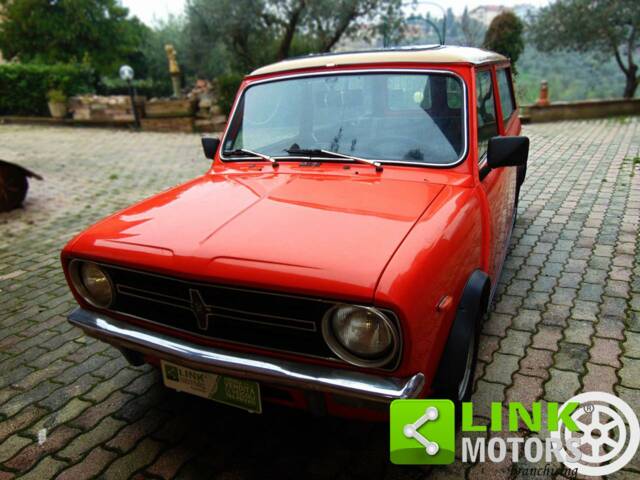
1980 | British Leyland Clubman Estate 1100
BRITISH LEYLAND Mini Clubman Estate 1100, manutenzione regolare, iscritta AIAC
1980 | British Leyland Clubman Estate 1100
BRITISH LEYLAND Mini Clubman Estate 1100, manutenzione regolare, iscritta AIAC
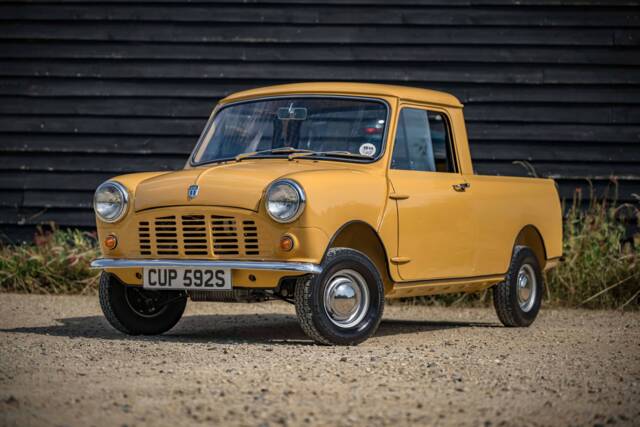
1978 | British Leyland Mini Pickup
Astonishing Restoration - Fresh MOT
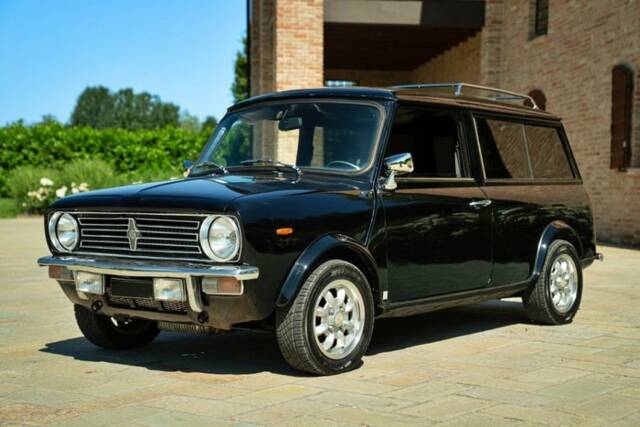
1981 | British Leyland Clubman Estate 1100
Mini - Leyland Clubman - 1981

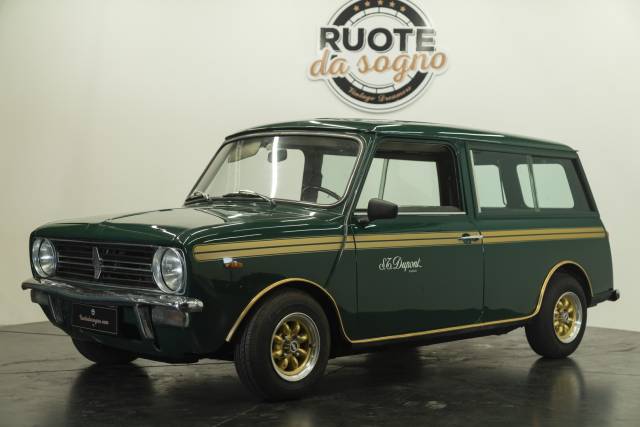
1979 | British Leyland Clubman Estate 1100
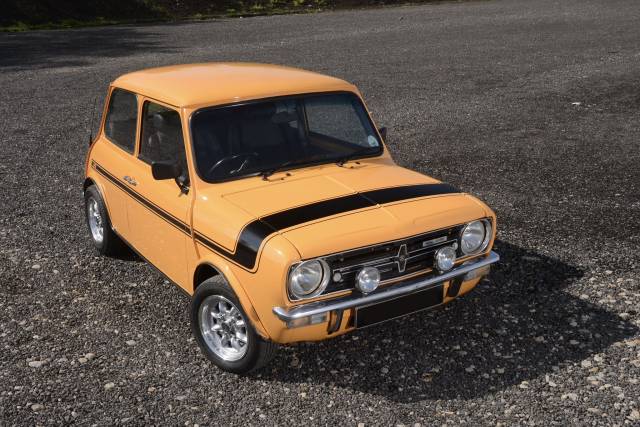
1978 | British Leyland Clubman Estate 1100
1978 LEYLAND MINI 1275 GTS 1 of only approx 50 known to exist world wide
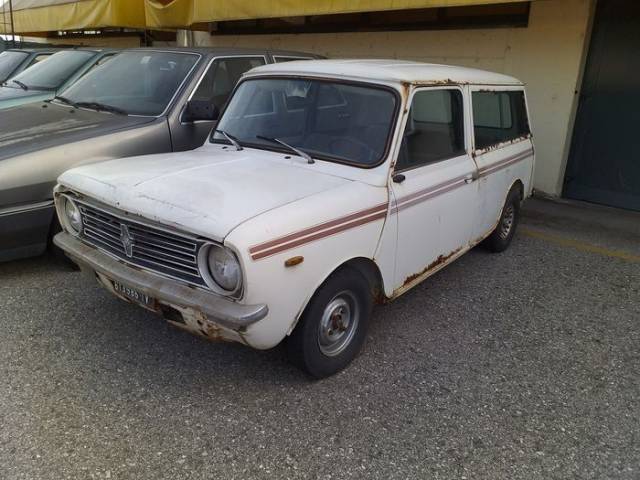
1975 | British Leyland Clubman Estate 1100
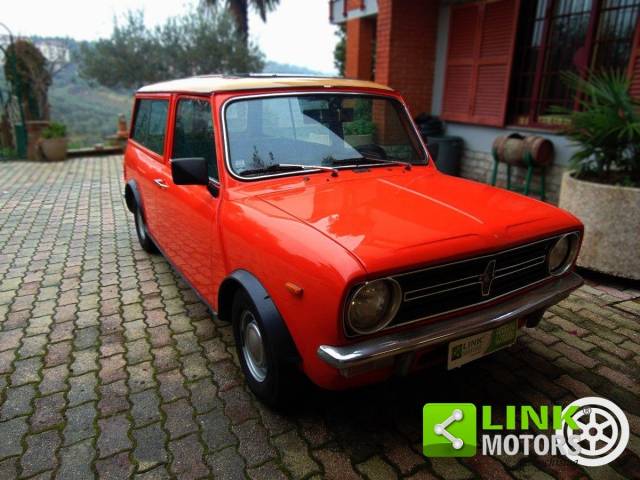
1980 | British Leyland Clubman Estate 1100
British Leyland Mini Clubman Estate 1100, anno 1980, carrozzeria conservata, motore restaurato.
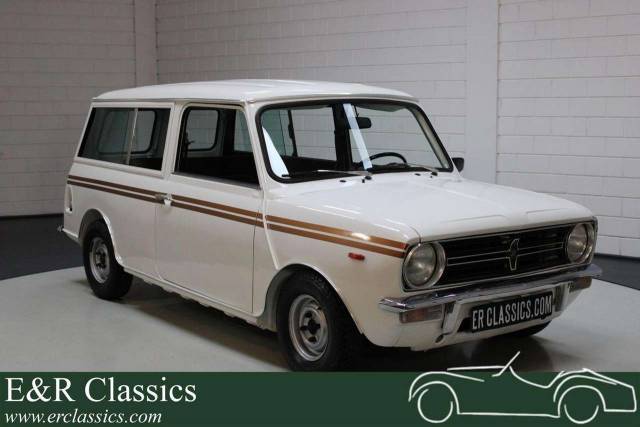
1979 | British Leyland Clubman Estate 1100
MINI Clubman Estate| Trussardi| Uitvoerig gerestaureerd
British Leyland Mini Classic Cars: Prices & Market Values
History of the British Leyland Mini
The Mini, designed by Sir Alec Issigonis and manufactured in the Longbridge and Cowley factories, emerged as a technical milestone of the 1960s. After initial launches as the Austin Seven and Morris Mini Minor, Mini became its own brand in 1969 when British Leyland took over production and streamlined the naming. The Mini’s transverse engine and front-wheel drive layout enabled over 80% of the floor space to be used for passengers, setting a new standard in compact car design. Over time, the Mini was repeatedly updated, most notably as the Mk II, Mk III, and especially the Mk IV under British Leyland, with further branches like the Clubman, estate, van, and pick-up diversifying its appeal.
Model History
The Mini’s evolution under British Leyland saw the introduction of significant model variations. After separating from the initial Austin and Morris designations, the line expanded: the Mini Van and Mini Pick-up emerged as practical, utility-focused spins, later renamed ‘Mini 95’ in 1978 to reflect a gross weight of 0.95 tons. The Clubman offered a modernised front for a contemporary look, with the Clubman Estate covering the needs of families. The crafting of the rarer high-performance versions—most famously the Leyland 1275 GTS and 1275 GT—highlighted sporty aspirations. Clubman models and vans with larger 998cc engines appeared alongside staple 848cc versions, showing the breadth of the series. The Mini lives on as one of the most recognisable faces of its era, with a lineage that sees both major and minor technical innovations.
Highlights of the British Leyland Mini
Few classic cars can match the Mini for efficient packaging and space usage. The adoption of a transversely-mounted engine and front-wheel drive not only revolutionised passenger space but drastically changed small car mechanics. Throughout the British Leyland era, the Mini retained these clever solutions while continuously updating interiors and options, such as the introduction of the “L” trim from 1979 (houndstooth seat inserts, passenger sun visor, and extra insulation). Rarer models, like the GTS, feature original matching numbers and serve as reference vehicles for enthusiasts and historians. The Mini offers variants for almost every classic car lover—from enthusiasts of practical estates and vans to those seeking the top performance of the GTS.
In terms of Classic Trader statistics, Minis with the MK IV manufacturer code make up approximately 82.6% of British Leyland Mini listings, indicating these models are especially common within the range. Demand for the MK IV is even higher at 91.9% of Mini listing views, confirming a strong collector and buyer interest in this generation of the Leyland Mini.
Technical Data
Special Editions and Collectible Models
The Leyland 1275 GT and the extremely rare Leyland 1275 GTS stand out as special variants. The GT model saw production numbers over 110,000; the South African GTS, with only 4,210 units produced and likely fewer than fifty surviving worldwide, is notable for its rareness. These models showcase enhanced performance features and unique trim, appealing to advanced collectors and Mini connoisseurs alike. Special interior fabrics, badgework, and matching motor/chassis numbers are points of collector interest, while the Clubman Estate version broadened appeal with practical family use in mind.
Engine and Performance, Transmission and Handling
The Mini’s transverse four-cylinder engine, especially in the 848cc and 998cc variants, delivers engaging performance for its size and weight category. Higher-powered versions such as the 1275 GTS provide additional excitement and unique exhaust notes. The direct steering and low centre of gravity make handling sharp and turn-in immediate, contributing to its reputation for agility. The four-speed manual transmission was standard, contributing to the Mini's responsive and engaging driving dynamics. Practicality and performance reach a blend rarely seen in this segment, with even Workhorse vans and estates benefiting from the Mini’s lightweight, well-tuned chassis. 1. British Leyland Mini MK IV (82.6% of offered Minis, 91.9% demand share) – standard bearer for late Minis. 2. Mini Clubman – updated look, optional 998cc engine. 3. Leyland 1275 GT and GTS – top performance and notable rarity.
Interior, Comfort, Exterior and Design
The Mini’s compact, yet spacious design set it apart from its contemporaries. Sir Alec Issigonis placed special focus on maximising cabin volume by repositioning mechanicals, enabling over 80% of floor area for passengers. Unique features like the houndstooth seat inserts (introduced in the late ‘L’ package), passenger-side sun visor, and increased interior insulation reflect attention to comfort and utility. The Clubman models introduced a boxier front for a more modern appearance, while vans and pick-ups retained the classic utilitarian lines. Special models like the GTS, often featuring matching engine and chassis numbers, received additional sports trim and confirmable specification via registry or contemporary guides. Paint finishes, fabrics and design flourishes were often market- and model-specific, and accessories such as unique badges, wheel trims, or custom seat fabrics could be ordered.
Other Notable Features
Many Minis from this period can be found as either left- or right-hand drive, depending on the market of sale, reflecting their international reach. Unusual models like the Mini Van and Pick-up, as well as ASI-registered vehicles (demonstrating Italian historic certification), underline both versatility and widespread appeal. Production volumes have resulted in good spare parts support for main models, but rare variants like the Leyland 1275 GTS are valued for their authenticity and correct documentation.
Summary
The British Leyland Mini excels as a model of pragmatism meeting creative design. Whether as a Clubman, estate, van or the coveted GTS, each variation offers a tailored blend of usability, unique engineering, and British character. The MK IV series dominates the supply and demand markets, confirming enthusiasts' preference for later, well-developed production runs. High parts availability for standard versions, along with a thriving international appreciation, ensures that the British Leyland Mini remains a frequent presence in both collections and on the roads.