- Car
- Brightwheel
- Brightwheel Viper (0 offers)
Brightwheel Viper classic cars for sale
The Brightwheel Viper stands out among classic kit cars for its exacting craftsmanship and its uncompromising approach to recreating the unmistakable Shelby Cobra experience. Collectors searching for a rare British interpretation of the V8-powered roadster will find genuinely unique offerings in the Viper lineup.
Search results
Currently, there are no matching listings for your search.
Create search alert
Let yourself be notified as soon as a listing is published that matches your search filters.
Create listing
Do you have a Brightwheel Viper that you want to sell? Then create a listing now.
Create listingBrightwheel Viper listing references from Classic Trader
Below you will find listings related to your search that are no longer available on Classic Trader. Use this information to gain insight into availability, value trends, and current pricing for a "Brightwheel Viper" to make a more informed purchasing decision.
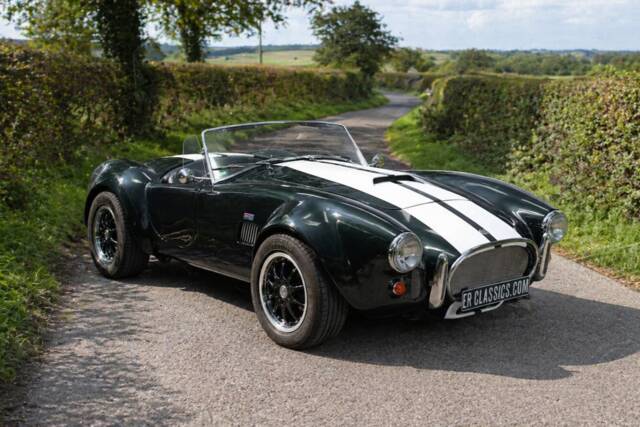
1989 | Brightwheel Viper
Viper Roadster | 1989 | Route 66 Auctions - For sale by auction. Estimate 29500 EUR

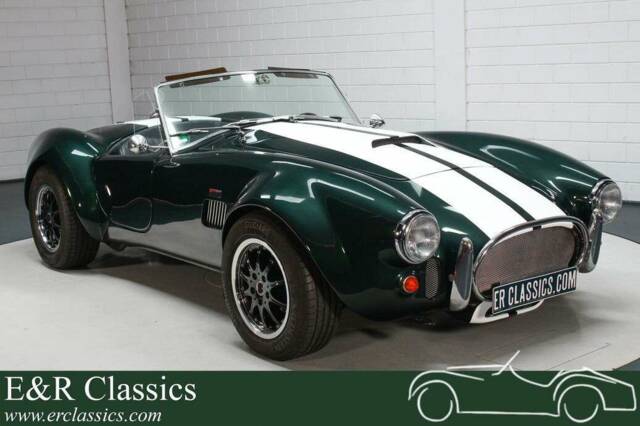
1989 | Brightwheel Viper
Overig
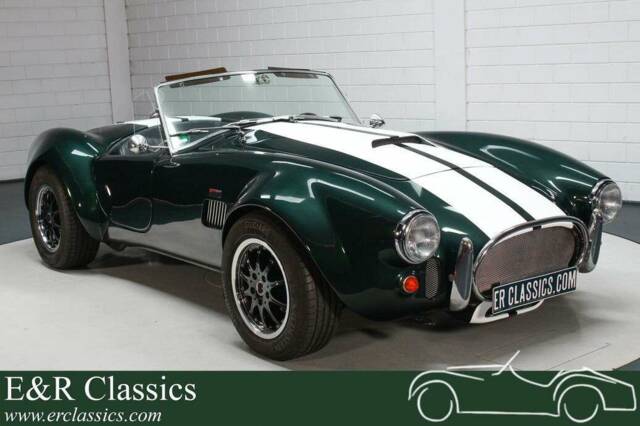
1989 | Brightwheel Viper
Overig Viper Roadster | Nieuw lakwerk | Zeer goede staat
Create search alert
Let yourself be notified as soon as a listing is published that matches your search filters.
Create listing
Do you have a Brightwheel Viper that you want to sell? Then create a listing now.
Create listingBrightwheel Viper Classic Cars: Prices & Market Values
History of the Brightwheel Viper
The Brightwheel Viper emerged in the 1980s as one of Britain’s boldest attempts to capture the spirit of the legendary AC Cobra. Developed by Brightwheel Replica Cars, the Viper was designed with a strong racing and performance ethos. Unlike many competitors, Brightwheel focused on making the Viper not just visually accurate, but also capable of delivering authentic high-performance driving experiences. With their keen eye for detail, Brightwheel adapted their chassis and bodywork to accommodate a wide variety of V8 powerplants, keeping the door open for true customisation. While not produced in large numbers, the Viper’s reputation among enthusiasts comes from its meticulous proportions and driver-focused construction.
Model history
The Viper represents Brightwheel’s flagship cobra-styled model. Prior to the Viper, Brightwheel built a series of Lotus 7-inspired kit cars, but the move to the Shelby Cobra replica market defined the company’s legacy. There were several evolutions and customer-specified builds, with most models based on bespoke ladder chassis and fibreglass bodies. The Viper was available with a broad selection of engines, most commonly the Ford small block V8, though later cars could be fitted with Chevrolet or Rover units depending on customer preference. The most notable iterations include the Viper S, which boasted upgraded suspension and reinforced frames for modern performance demands. No officially announced successor followed the Viper, making it the enduring highlight of Brightwheel’s production.
Highlights of the Brightwheel Viper
The Viper’s salient feature lies in its authenticity: the body lines, wheel arch dimensions, and overall proportions closely align with the 1960s Shelby Cobra 427. Unlike many Cobra replicas, the Viper’s chassis was not just a copy, but a re-engineered structure offering significant rigidity and improved weight distribution. Most builds featured four-wheel disc brakes, rack-and-pinion steering, and a thorough focus on mechanical accessibility for maintenance and tuning. The customisable nature of kits made each Viper unique, allowing for a range of interiors, paint finishes, and mechanical setups. Brightwheel’s reputation has grown thanks to small production numbers, which ensure rarity.
Technical Data
Special Editions and Collectible Models
While there were no factory-announced limited editions, some owner-commissioned builds stand out due to high-performance components, bespoke paint schemes, and competition-inspired upgrades such as roll bars, side exhausts, and custom wheels. Specialist builds featuring Chevrolet LS engines or modernised interiors are particularly sought-after among kit car aficionados.
Engine and Performance, Transmission and Handling
With powerful V8 engines and a lightweight chassis, the Viper delivers raw, undiluted acceleration and classic rear-wheel-drive dynamics. Thanks to its near-50:50 weight distribution and modern suspension geometry by kit car standards, the handling is responsive and direct. Braking capability is a step above many period kit cars, due to the use of four-wheel discs. Many cars feature uprated dampers and bushings, offering significant customisation potential for both road and track driving. Popular builds include the Ford 302-powered Viper S, renowned for its balance of power and reliability, and the rare LS-powered conversions, which bring contemporary performance to the classic shape.
Interior, Comfort, Exterior and Design
The Viper’s design philosophy was rooted in capturing the raw aesthetic of 1960s motorsport roadsters. Deep-dished steering wheels, minimalist dashboards with Smiths-style gauges, and bucket seats were the norm. Externally, pronounced wheel arches, side-exit exhausts, and Halibrand-style wheels provided notable authenticity. Paint options varied widely, including racing stripes and period-correct colours. Many Vipers featured modern touches like updated seating materials or additional soft tops, reflecting owners’ preferences for usability.
Other relevant features
Brightwheel Viper kits allowed significant owner input during assembly, so accessory fitments vary: common upgrades include improved cooling radiators, high-spec ignition systems, and uprated brake components. These cars also support a robust aftermarket for replacement parts and performance tuning.
Summary
The Brightwheel Viper embodies the spirit of the British kit car era, offering serious enthusiasts a compelling blend of Shelby Cobra-inspired looks and modern performance engineering. Its rarity and variety in specification ensure that no two Vipers are exactly alike, making any example an individual statement on wheels.