Bond Bug classic car for sale
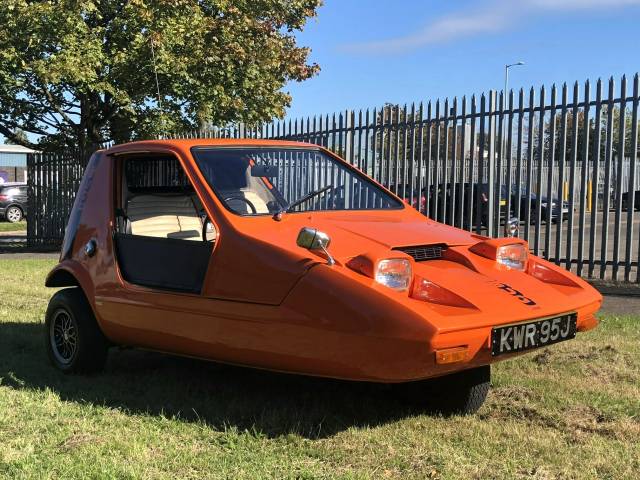
The Bond Bug is a three-wheeled British microcar produced between 1970 and 1974, celebrated for its orange wedge-shaped body, lift-up canopy, and minimalist design. Its striking appearance and unusual layout make it a unique find for enthusiasts of British automotive history.
Search results
Currently, there are no matching listings for your search.
Create search alert
Let yourself be notified as soon as a listing is published that matches your search filters.
Create listing
Do you have a Bond Bug that you want to sell? Then create a listing now.
Create listingBond Bug listing references from Classic Trader
Below you will find listings related to your search that are no longer available on Classic Trader. Use this information to gain insight into availability, value trends, and current pricing for a "Bond Bug" to make a more informed purchasing decision.
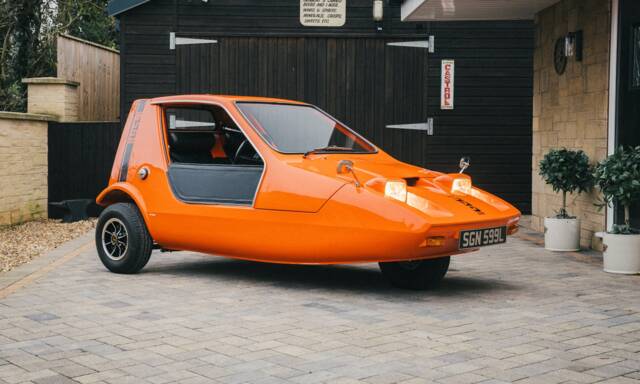
1973 | Bond Bug 750 ES
1973 Bond Bug 750 ES

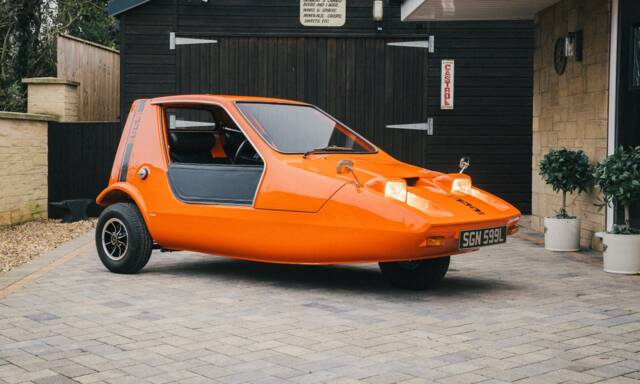
1973 | Bond Bug
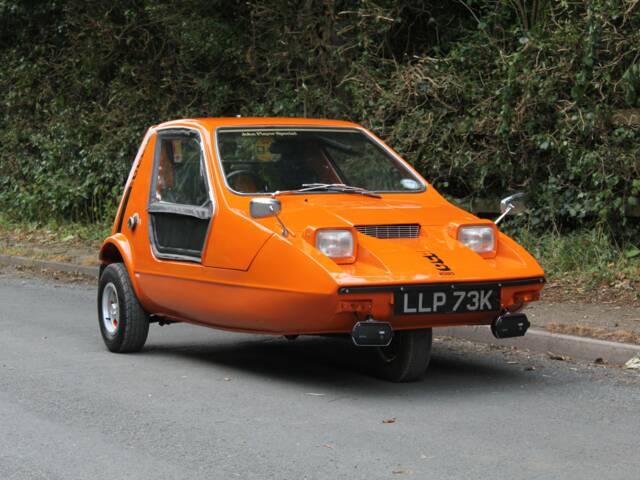
1972 | Bond Bug
1972 Bond Bug 850ES

1973 | Bond Bug

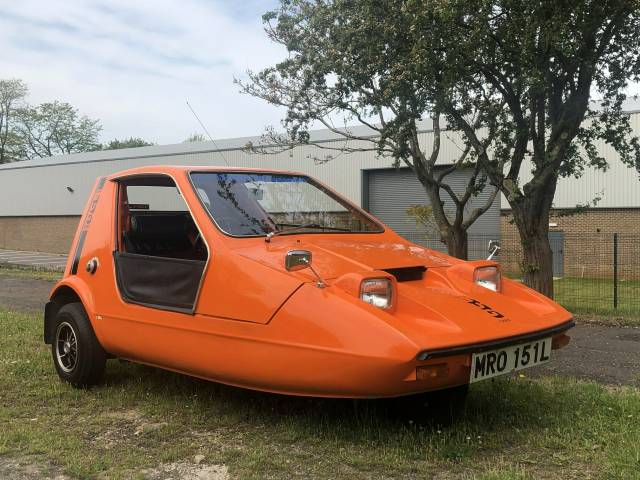
1973 | Bond Bug
1973 Bond Bug 700. MOT April 2020 With No Advisories
1971 | Bond Bug
1971 BOND BUG 700. Only 2,000 Miles In The Last Ten Years. Fresh MOT Upon Sale
Create search alert
Let yourself be notified as soon as a listing is published that matches your search filters.
Create listing
Do you have a Bond Bug that you want to sell? Then create a listing now.
Create listingBond Bug Classic Cars: Prices & Market Values
History of the Bond Bug
The Bond Bug was introduced in 1970 and represented a bold departure from typical British car design, aimed at a youthful audience seeking affordable, fun motoring. Conceived by Tom Karen of Ogle Design, the Bug was produced first at Bond Cars Ltd and, after Reliant acquired Bond, at the Reliant facility in Tamworth. Its futuristic wedge shape and vibrant colours caught the attention of a generation eager for something different from the practical vehicles of the era. The Bug’s design and identity revolve around originality and fun, setting it apart within the British microcar segment. Production lasted until 1974, when changes in market demand and company focus led to the model's discontinuation.
Model history of the Bond Bug
The Bug did not have a direct predecessor; it was born from Reliant's desire to create a trendy, youthful vehicle under the Bond name after taking over the company. The series itself saw a gradual evolution with small technical refinements, including more powerful versions such as the Bug 700ES, which received a higher-tuned Reliant engine and additional equipment. After 1974, the Bug’s position as an affordable, attention-grabbing three-wheeler was not continued by another specific Bond model, making the Bug the last of its line.
Highlights of the Bond Bug
The Bond Bug’s standout features include its bright orange, glassfibre-reinforced wedge-shaped body, pop-up canopy roof, and innovative use of side screens in place of doors. The eye-catching exterior, lightweight design, and minimalistic interior emphasise fun and efficiency. Special versions like the 700ES introduced further technical and visual refinements, marking peak development for the series.
Technical data
Special Editions and Collectible Models
A notable special edition is the Bond Bug 700ES, featuring an upgraded engine, additional interior trim, and often a sunroof—rare among microcars of the era. The 700ES is the most sought-after Bug, commanding higher prices due to its limited production and extra equipment. Early production examples and models with original accessories also attract heightened attention from collectors.
Weak Spots and Common Issues
Potential owners should be aware of several typical issues:
Body and chassis: While the glassfibre does not rust, cracks, stress marks, and poor past repairs are frequent, particularly around the doors, hood, rear mounts, and front strut attachment. Wavy GRP surfaces or ill-fitting panels are red flags.
Suspension and wheels: Frequent points of concern include leaking rear shock absorbers, degraded bushings, and worn steering joints due to high vibration. Tyres may be out-of-round from prolonged storage. The front stub axle is prone to slack, degrading steering precision.
Engine and drivetrain: The Reliant four-cylinder is reliable with proper upkeep but has known weak points such as oil leaks, overheating from a dirty or inefficient radiator, and issues with carburettor or ignition, especially after long storage. Clutch and gearchange problems are also typical, particularly for reverse gear. Compression tests and oil checks are highly recommended before purchase.
Electrics: The simple electrical system is notoriously unreliable, with corroded contacts, faulty horns or lights, and heat-distorted dashboards common. Upgraded wiring and relays can prevent many headaches.
Interior: The spartan cab usually shows cracked, worn seats, and late models with sliding roofs may suffer water leaks leading to mould. Replacement seat covers are available.
Market: Restoration candidates start from €3,000–5,000, while good runners fetch €7,000–12,000; pristine or rare 700ES models reach up to €15,000. Replacement parts are generally obtainable from UK Reliant specialists.
Engine, Performance, Transmission and Handling
Bond Bugs offered lively acceleration for their class, thanks to their lightweight construction and the 700-cc Reliant engines in latter versions. The three-wheel layout provided remarkably direct steering, though handling could feel imprecise if the front stub axle developed play or if tyres were uneven. Suspension is minimalist; leaks and worn bushings are common and affect ride comfort. Braking performance matches expectations of a microcar of the period, with regular maintenance essential for safety. The Bug 700ES with its tuned engine and distinctive features is the most technically advanced and desirable variant.
Interior, Comfort, Exterior and Design
Designer Tom Karen gave the Bond Bug its striking look: a sharply angled, glassfibre wedge body with a distinctive lift-up front canopy and contrasting side screens in place of regular doors. The orange finish became synonymous with the model. Interiors are basic, with utilitarian seating and minimal trim; some 700ES versions feature extra equipment or a sunroof. Factory paint, decal kits, and unique wheel covers are key originality factors. Period accessories, though rare, include matching luggage and aftermarket stereo systems fitted to some owners’ cars.
Other relevant features
Due to its quirky appearance and three-wheel configuration, the Bug remains a standout wherever it appears. It also benefits from classic car exemptions and, in some regions, motorcycle licensing rules, further adding to its appeal for enthusiasts seeking a distinct experience outside standard automotive classifications.
Summary
The Bond Bug occupies a unique place in British automotive history, blending minimalism, fun, and style in a format aimed at the adventurous driver. Its particular technical, cosmetic, and market aspects require careful inspection, but a well-maintained Bug provides engaging driving and unmistakable presence. The unorthodox wedge design, vivid colour, and the rarefied presence in the classic car world combine to make the Bond Bug an interesting proposition for collectors or drivers drawn to unconventional classic vehicles.