- Automobile
- Barkas
- Barkas V 901/2 (1 offerta)
Barkas V 901/2 classic cars for sale
The Barkas V 901/2 stands as the pivotal light commercial vehicle from East Germany’s automotive industry in the 1950s and early '60s. Offered in multiple body styles and known for its robust ladder frame, this versatile van served craftsmen, traders, and companies throughout the DDR era.
Risultati della ricerca
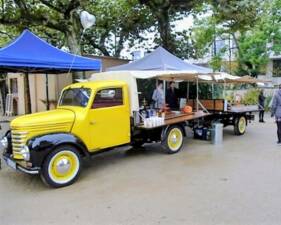
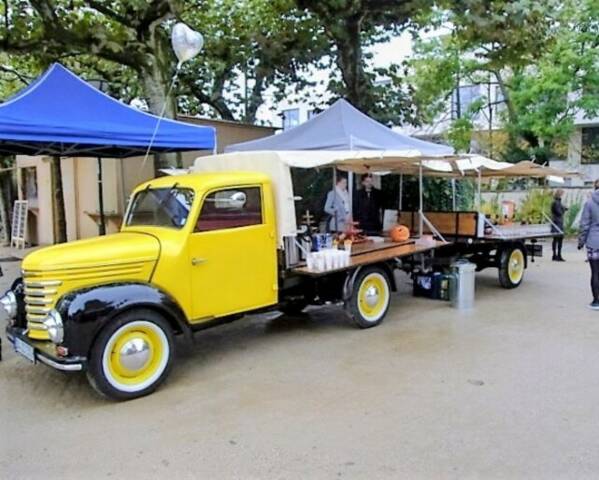
1959 | Barkas V 901/2
FOODTRUCK, Events aller Art, Hochzeiten, Sommerfest, Foodtruck etc.

Barkas V 901/2 listing references from Classic Trader
Below you will find listings related to your search that are no longer available on Classic Trader. Use this information to gain insight into availability, value trends, and current pricing for a "Barkas V 901/2" to make a more informed purchasing decision.
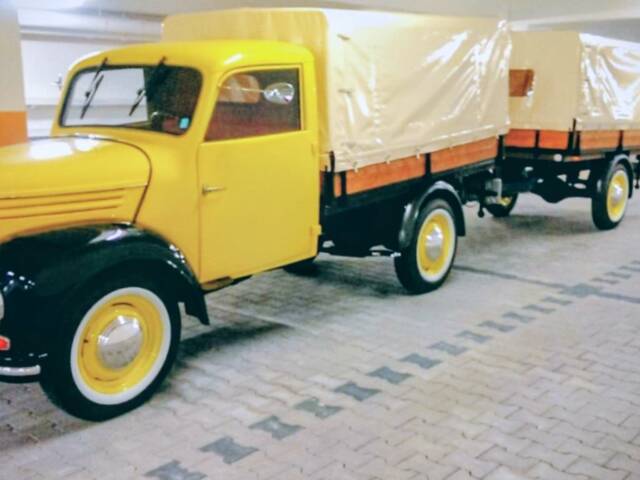
1959 | Barkas V 901/2
Framo Barkas V901/2 | 1959 | Route 66 Auctions - For sale by auction. Estimate 16500 EUR

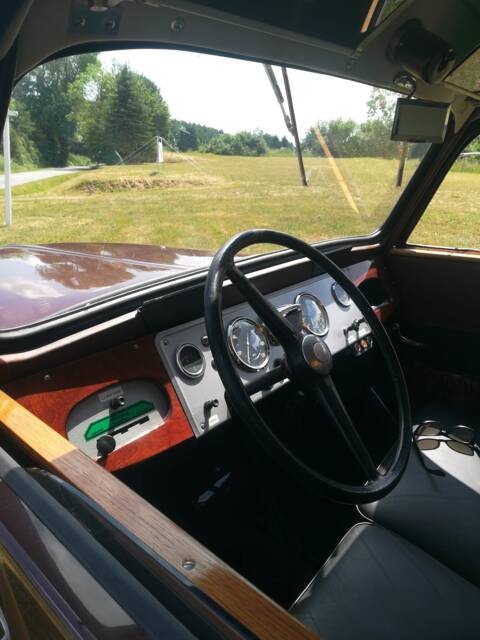
1960 | Barkas V 901/2
Framo 901/3 LK
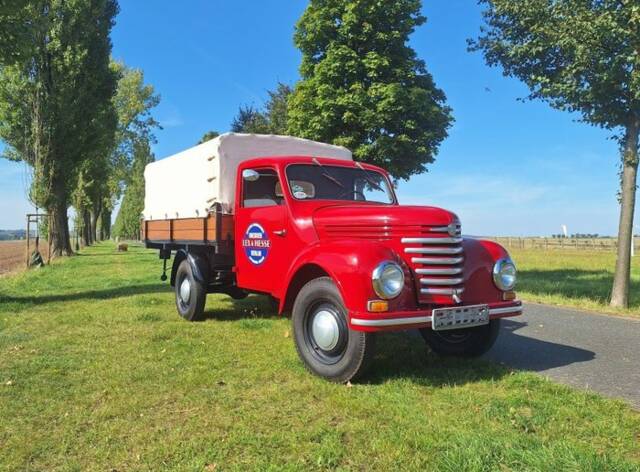
1961 | Barkas V 901/2
Framo / Barkas - V901/2 - 1961
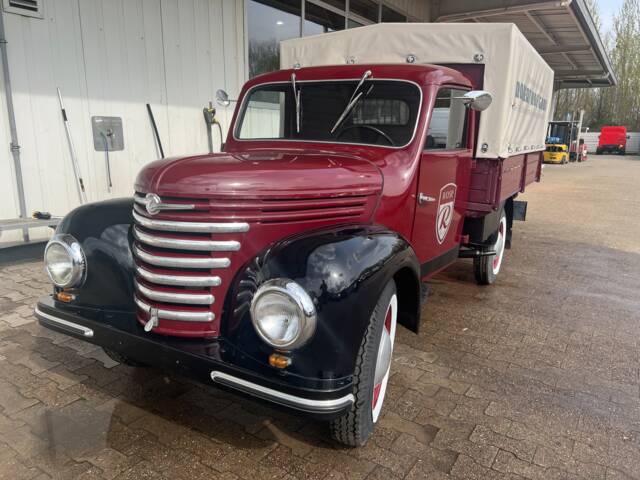
1958 | Barkas V 901/2
Barkas Framo V901 Prische
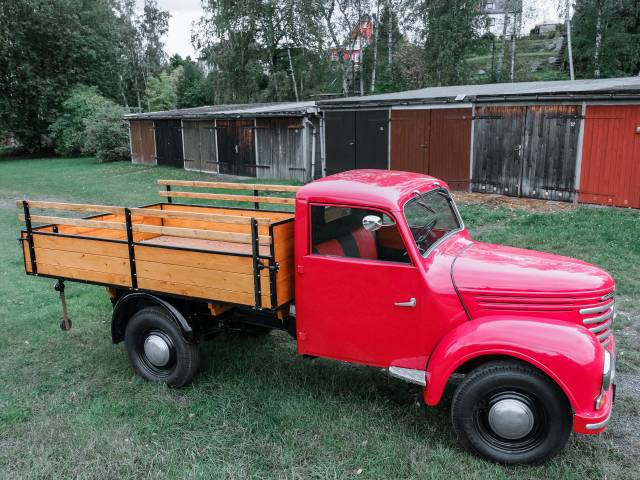
1959 | Barkas V 901/2
Framo V 901/2 - Neu Aufgebaut
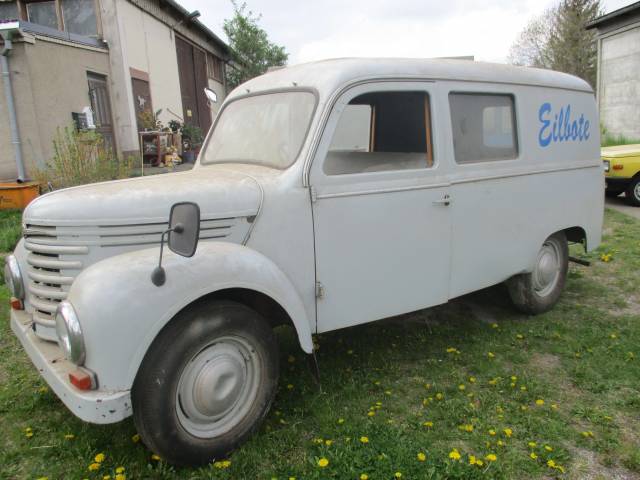
1961 | Barkas V 901/2
Wartburg Framo
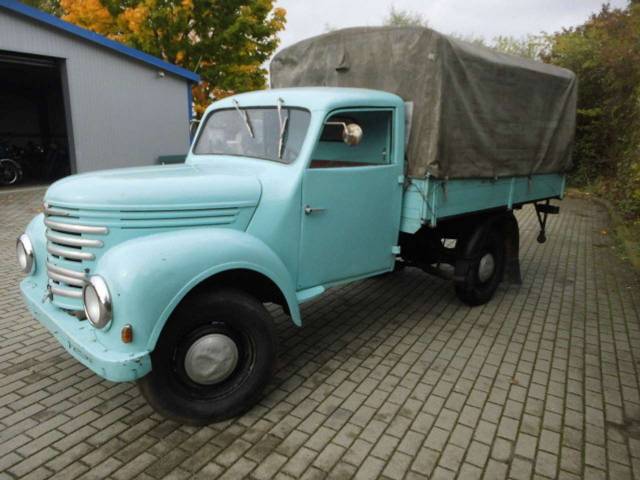
1957 | Barkas V 901/2
Wartburg Barkas Framo V 901 / 2 HP
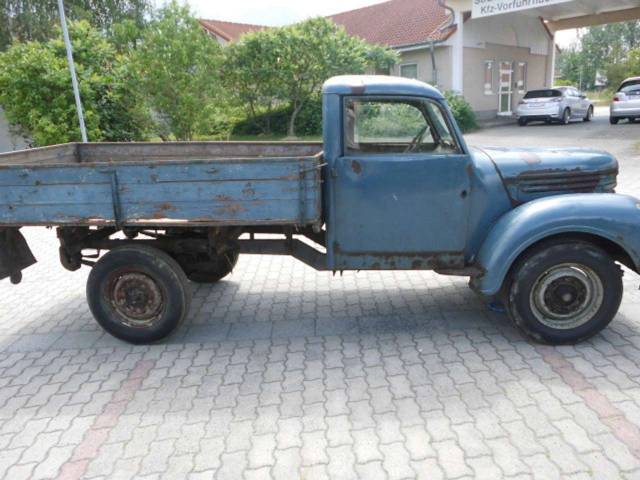
1955 | Barkas V 901/2
Oldtimer Barkas
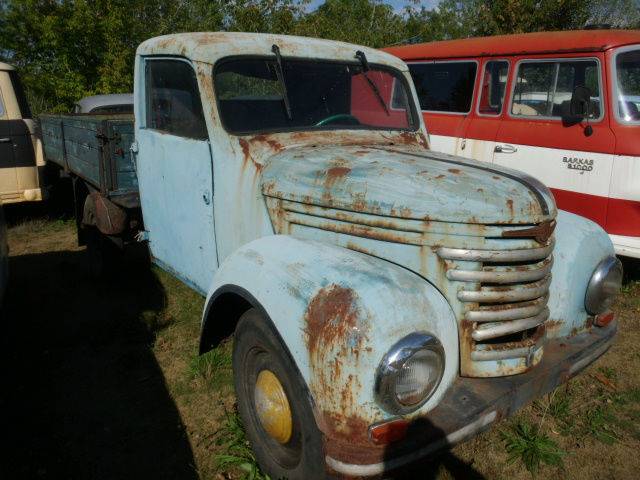
1954 | Barkas V 901/2
Framo V901/2 HP
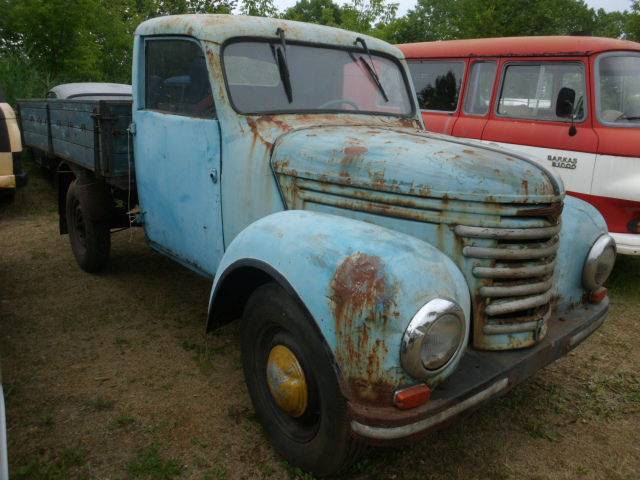
1957 | Barkas V 901/2
Framo V 902/2 HP , Vorgänger Barkas B 1000
Barkas V 901/2 Classic Cars: Prices & Market Values
History of the Barkas V 901/2
Between 1954 and 1961, the Barkas V 901/2 was manufactured by VEB Barkas-Werke in Hainichen (near Karl-Marx-Stadt, today Chemnitz). Initially called the IFA V 901/2, the designation changed to Barkas after 1957 when the factory was renamed. The V 901/2 continued the lineage of the Framo V 901, a vehicle already prominent in the post-war Saxon vehicle industry. Barkas vehicles, and especially the V 901/2, became vital tools for tradespeople and small businesses throughout the GDR. Known colloquially as “Framo” even after the renaming, it cemented its reputation for durability and adaptability in challenging economic conditions.
Model History of the Barkas V 901/2 Series
The roots of the V 901/2 can be traced to the Framo V 901, itself a successor of earlier Framo and DKW delivery vans. The V 901/2 featured a wider, more modern cab and a wheelbase extended by 10 cm over its predecessor, while most technical components were retained from the earlier model. In 1957, the manufacturer’s name changed from Framo to Barkas, making the V 901/2 the first to bear the Barkas badge. The model line was succeeded in 1961 by the Barkas B 1000, which carried on the tradition of light utility vehicles for another generation.
Highlights and Unique Features
The Barkas V 901/2 showcased a sturdy body-on-frame construction with rear-wheel drive, making it well-suited for the demanding workloads typical in Eastern Europe’s post-war years. Available as a panel van, pickup (Pritsche), or minibus, the model was especially in demand among traders, craftsmen, and small businesses. Unique details include its robust ladder frame which was often changed in the DDR era, sometimes multiple times, with replacement frames lacking original serial numbers. The right-hand frame side carries the main VIN stamp—an important detail for collectors and restorers alike.
Technical Data
Special Editions and Collectible Models
Special versions of the Barkas V 901/2 include the 'Pritsche' (pickup), which was initially available solely in Bordeaux red, making early examples in original paint particularly sought after among experts. Many units served as promotional vehicles at trade fairs and exhibitions due to their visibility and charm. Vehicles with replacement frames identified by an 'E' or additional letter code also present unique historical value for dedicated DDR vehicle collectors.
Weak Spots and Typical Issues
Many Barkas V 901/2 vehicles were heavily used, particularly in small DDR enterprises, leading to extensive frame changes and repairs. Replacement frames often have incomplete or modified serial number documentation. Corrosion on the ladder frame and body, especially after decades in central European climates, is common. Electrical systems might combine original and modernised parts. Any restoration should pay close attention to the frame, VIN details, and originality of the drivetrain.
Engine, Transmission & Driving Characteristics
With its 900 cc two-stroke engine, the V 901/2 offers straightforward mechanics and modest power, tailored to urban and regional delivery work rather than performance. Rear-wheel drive and a manual transmission complete the classic commercial vehicle setup, and its robust chassis handles heavy, often overloaded cargoes with surprising effectiveness. Ride comfort is secondary to utility, but the simplicity of its engineering makes long-term maintenance accessible to hobbyists and professionals alike. Highlight: The V 901/2 'Pritsche' pickup—initially only in Bordeaux red—is notable for its striking appearance and rarity in original condition. Many preserved V 901/2s today are restored or rebuilt, given their long working lives in the DDR.
Design, Comfort and Special Equipment
The V 901/2 featured a cab widened for greater comfort compared to its predecessor, alongside a modernised front design in the context of 1950s Eastern Bloc styling. Typical colour options were limited, with the early pickup ('Pritsche') in Bordeaux red being the most notable. The interior was purely functional, aimed at utility, with seats and dashboards built for easy upkeep. As a working vehicle, factory-fitted special equipment was rare, but aftermarket modifications were common in the DDR—ranging from electrical upgrades to custom company lettering and add-on mirrors. Accessories for exhibitions and as advertising vehicles also give some surviving examples unique historic appeal.
Other Considerations
Thanks to the robust frame and relative simplicity, many V 901/2s have survived as project vehicles for extensive restoration. The lack of strict originality in DDR-era repairs (like frame swaps and undocumented parts) means provenance can be complex but fascinating. Most vehicles are now eligible for historic registration in Germany.
Summary
The Barkas V 901/2 remains the defining light commercial vehicle of its era within East German automotive history. Its distinctive frame, utilitarian engineering, and flexible body styles make it a rewarding project for restorers and an eye-catching entry for collectors attracted to GDR industrial heritage.