- Car
- Barkas (0 offers)
Barkas classic cars for sale
Barkas vehicles, especially the B 1000, left a distinct mark on East German automotive history as versatile, robust transporters widely used by craftsmen, public services, and even state authorities. Their practical engineering, unique two-stroke sound, and enduring functionality continue to draw interest from classic car enthusiasts and collectors today.
Search results
Currently, there are no matching listings for your search.
Create search alert
Let yourself be notified as soon as a listing is published that matches your search filters.
Barkas listing references from Classic Trader
Below you will find listings related to your search that are no longer available on Classic Trader. Use this information to gain insight into availability, value trends, and current pricing for a "Barkas" to make a more informed purchasing decision.
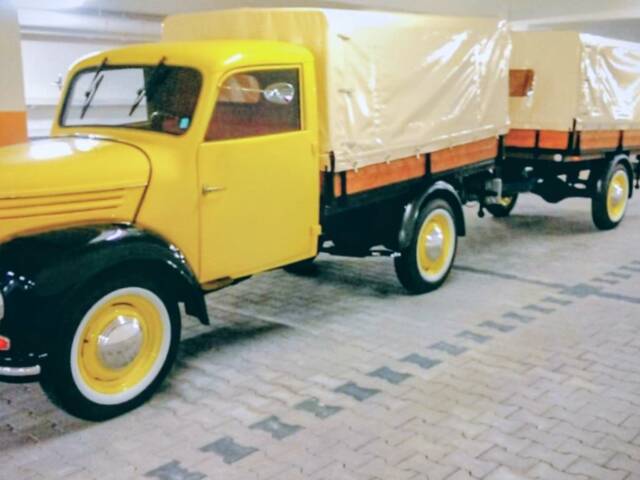
1959 | Barkas V 901/2
Framo Barkas V901/2 | 1959 | Route 66 Auctions - For sale by auction. Estimate 11500 EUR

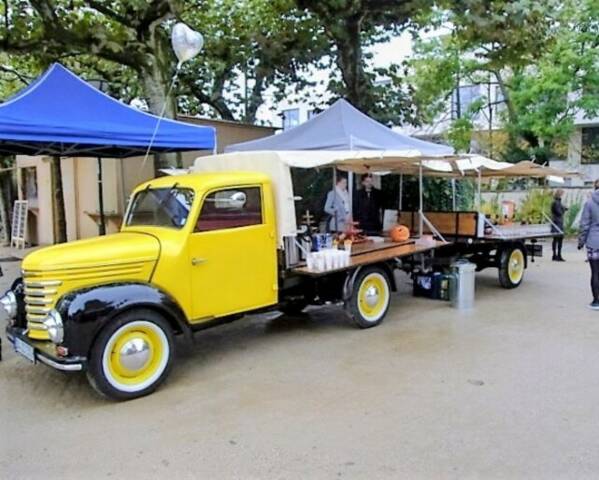
1959 | Barkas V 901/2
FOODTRUCK, Events aller Art, Hochzeiten, Sommerfest, Foodtruck etc.

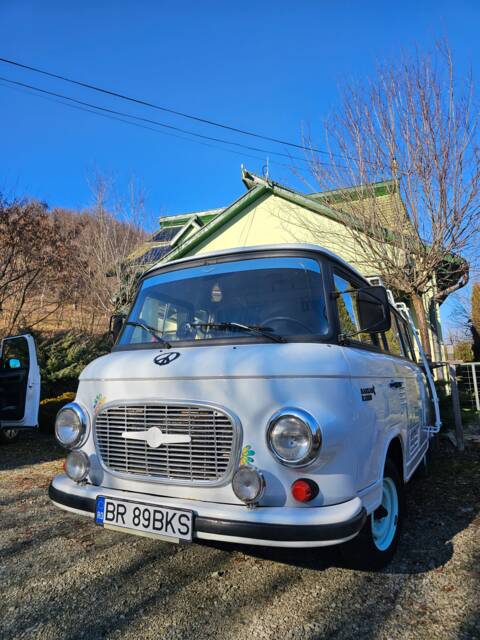
1989 | Barkas 1000-1
Very rare
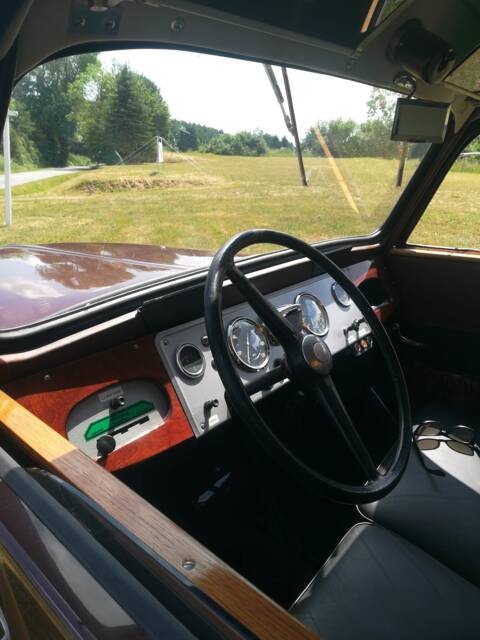
1960 | Barkas V 901/2
Framo 901/3 LK
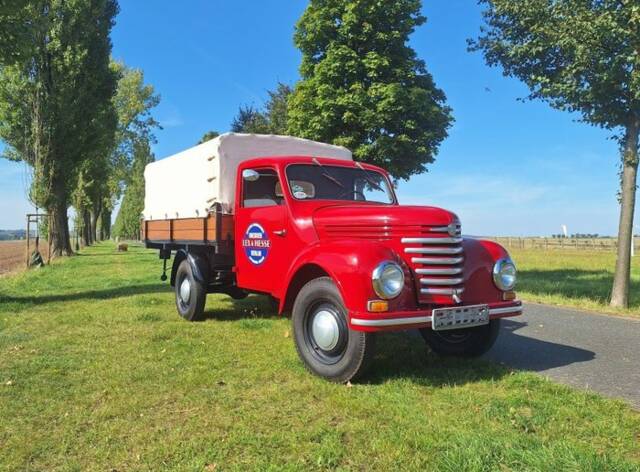
1961 | Barkas V 901/2
Framo / Barkas - V901/2 - 1961
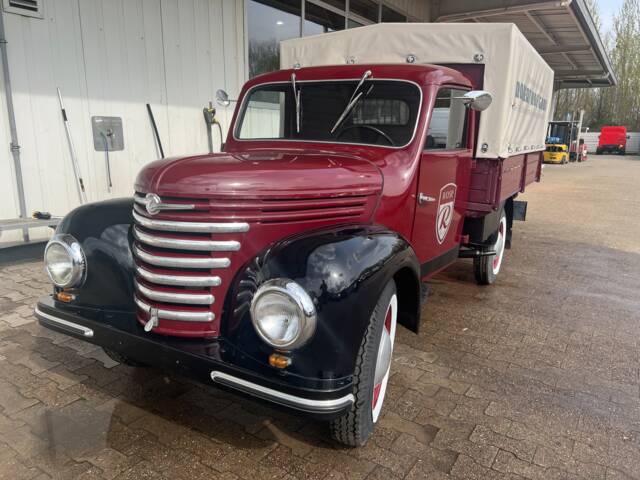
1958 | Barkas V 901/2
Barkas Framo V901 Prische
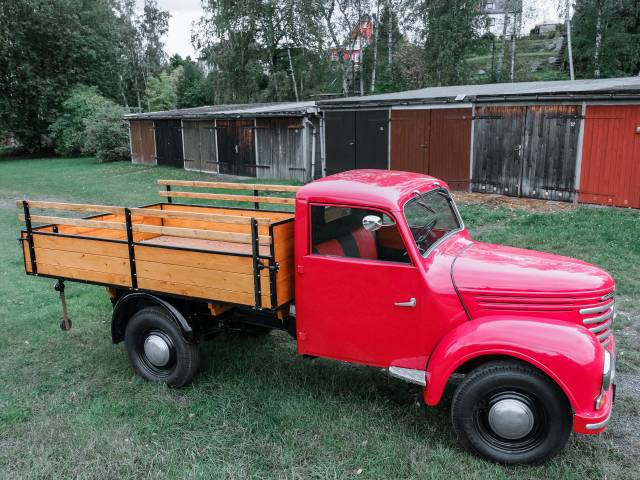
1959 | Barkas V 901/2
Framo V 901/2 - Neu Aufgebaut
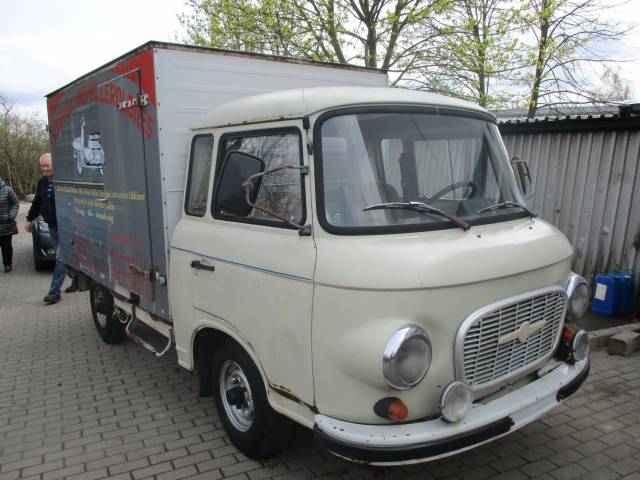
1989 | Barkas B 1000
Wartburg Barkas B 1000 LK / MdI
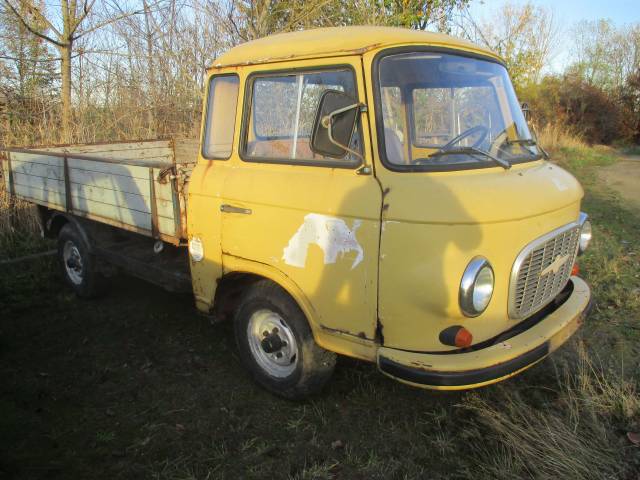
1979 | Barkas B 1000
Wartburg Barkas B 1000 HP
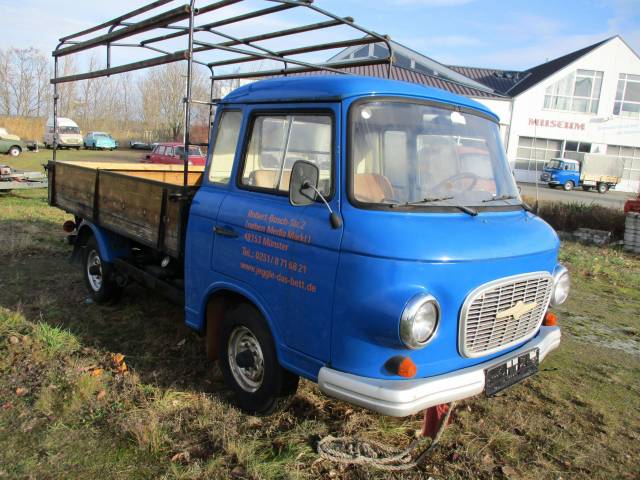
1976 | Barkas B 1000
Wartburg Barkas
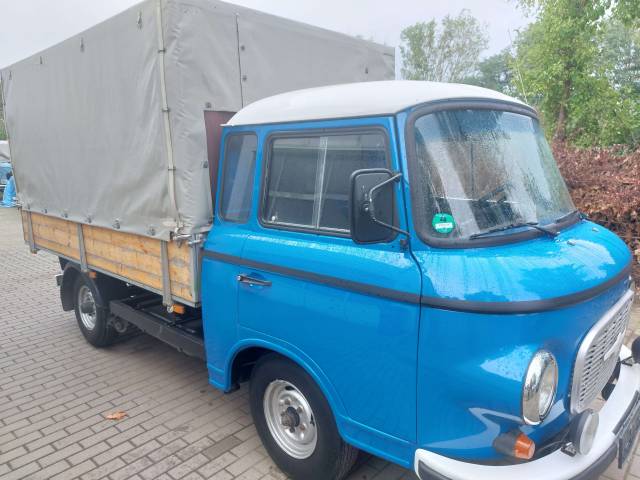
1991 | Barkas 1000-1
Wartburg Barkas
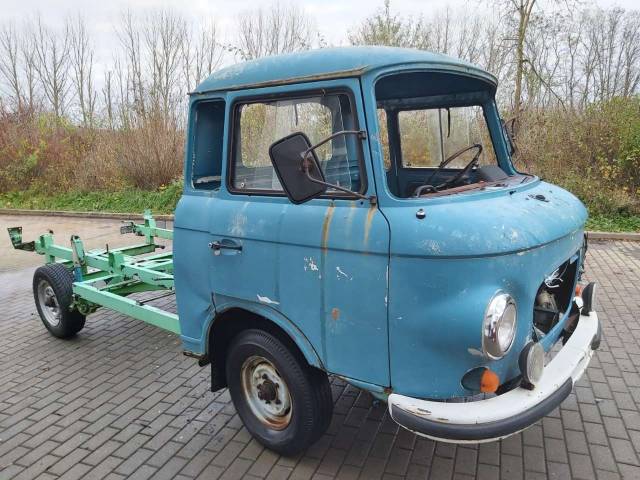
1987 | Barkas B 1000
Wartburg Barkas
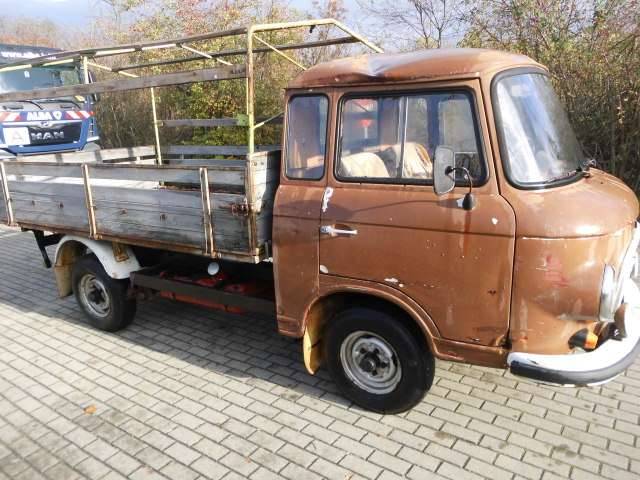
1980 | Barkas B 1000
Wartburg Barkas Barkas B 1000 HP
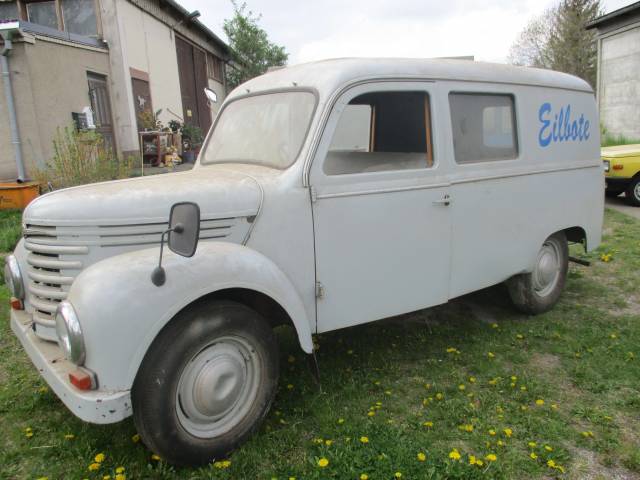
1961 | Barkas V 901/2
Wartburg Framo
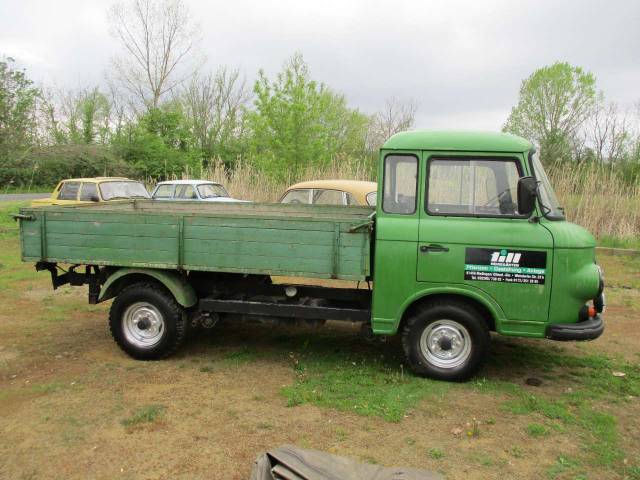
1991 | Barkas B 1000
Wartburg Barkas Barkas B 1000-1 HP ( VW Motor )
Create search alert
Let yourself be notified as soon as a listing is published that matches your search filters.
History of Barkas
Barkas emerged in the heart of Saxony, inheriting the legacy of Framo and DKW, with its roots tracing back to the 1920s motorcycle and delivery vehicle production. Following the devastation of World War II, the factory was rebuilt as a VEB (Volkseigener Betrieb), the state-owned Barkas Works, in Karl-Marx-Stadt (today's Chemnitz). By 1957, Barkas was established, serving as the DDR's answer to Western van manufacturers. Its development was shaped by the constraints and policies of East Germany, leading to designs that prioritised functionality and versatility for state, commercial, and everyday use.
Model history
Barkas transitioned from Framo's early three-wheeled front-wheel-drive vans to the V 501 (1949) and later the V 901/2 (from 1954), with incremental upgrades in chassis and engine performance. The defining moment was the launch of the Barkas B 1000 in 1961, equipped with a DKW-derived three-cylinder two-stroke engine, later available with Volkswagen and Ford Endura-D engines. The B 1000/1 model briefly appeared at the end of production, introducing a 1.3L four-stroke engine. All Barkas vans were notable for their adaptability—serving as fire engines, ambulances, police vehicles, and utility vans across East Germany.
Highlights of Barkas
Distinctives of Barkas lie in its high loading capacity, innovative use of front-wheel drive, and adaptability for multiple specialised roles—from ambulances to police vehicles, and mobile workshops. The two-stroke engine, long associated with the characteristic DDR vehicle sound, set the B 1000 apart from Western contemporaries. Barkas vans were designed to accommodate diverse configurations (panel van, pickup, minibus), which ensured that it became the backbone of public services and state function in East Germany. Its practical, simple construction allowed for long service life and facilitated restoration.
Technical data
Special Editions and Collectible Models
Various body styles made for specific purposes (fire service, police, ambulances, Stasi use) are today considered particularly interesting, especially those still featuring original equipment or paint schemes, such as the rare Bordeaux red pickups. The final B 1000/1 models with the upgraded four-stroke engine built after 1989 are notably sought after, given their rarity—only 1,961 produced before Barkas ceased operations.
Engine, Performance, Transmission, and Handling
The trademark of Barkas vehicles is the two-stroke engine, which provides brisk throttle response and a quintessential exhaust note, though it lacks the refinement of Western competitors. The later four-stroke motors increased reliability and efficiency but are rare. Front-wheel drive and independent suspension deliver secure, predictable handling, even with a full payload. Transmission is typically manual, durable, and geared for utility rather than speed, with top velocities around 100 km/h. Braking and steering are robust, yet require regular maintenance due to use under demanding conditions. - Barkas B 1000: 45 hp two-stroke, versatile body styles, payload around 1 ton, highly popular in both supply (60.9%) and demand (74.4%).
- Barkas V 901/2: Predecessor with strengthened chassis and typical 1950s DDR engineering, representing 30.4% of listings.
Interior, Comfort, Exterior, and Design
Barkas vehicles reflected pragmatic DDR industrial design—functional cabin layouts with controls positioned for utility, basic upholstery, and robust vinyl flooring. The B 1000 featured a forward-control design, maximising interior space, with large glass areas for all-round visibility. Late models incorporated sliding side doors and improved driver ergonomics. Factory paint options included standard DDR colours; special versions—like fire engines or ambulances—received unique liveries. Accessories were basic, typically limited to those necessary for professional or public service operation. The lack of ornate badges fits the Barkas approach: the vehicle itself was the identity.
Other relevant features
Within East Germany, Barkas vehicles filled roles for trade, services, and industry unmatched by any other domestic vehicle. Their modular design made conversions and restoration straightforward. Original documentation—such as historic vehicle registration, owner history, and frame numbers—are often incomplete but can add to a vehicle’s authentication. Spare parts remain relatively available due to robust construction and continued enthusiast interest.
Summary
Barkas stands out in classic car circles for its practical engineering, adaptability, and cultural value within Eastern European automotive history. While utilitarian in design, Barkas vans, especially the B 1000, remain cherished for their versatility, robust construction, and unique mechanical character—qualities that attract a new generation of classic vehicle fans and restorers.