AMC Matador classic cars for sale
The AMC Matador combines American engineering from the 1970s with distinctive mid-size and later full-size design, spanning sedans, wagons, and coupes. This series stands out for its technological evolution and diverse model range during AMC’s dynamic era.
Search results
Currently, there are no matching listings for your search.
Create search alert
Let yourself be notified as soon as a listing is published that matches your search filters.
Create listing
Do you have a AMC Matador that you want to sell? Then create a listing now.
Create listingAMC Matador listing references from Classic Trader
Below you will find listings related to your search that are no longer available on Classic Trader. Use this information to gain insight into availability, value trends, and current pricing for a "AMC Matador" to make a more informed purchasing decision.
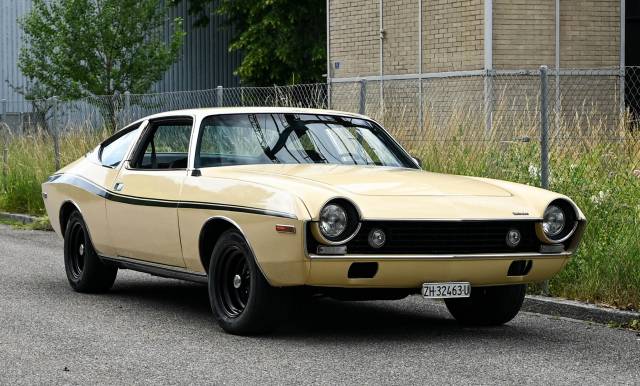
1976 | AMC Matador
304 cui V8, Oleg Cassini Edition, Schweizer Erstauslieferung, Veteranenstatus

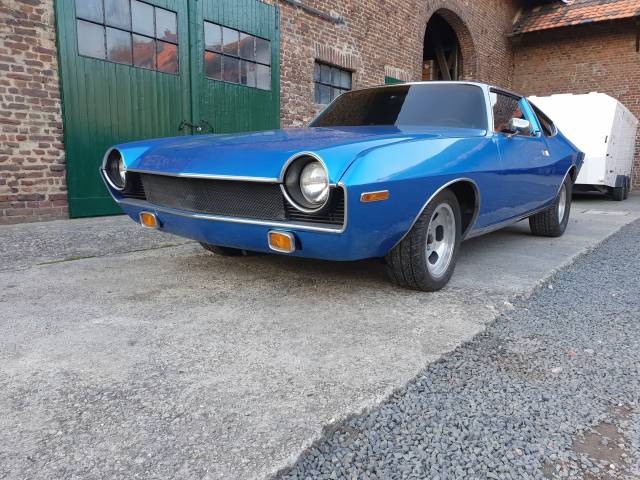
1977 | AMC Matador

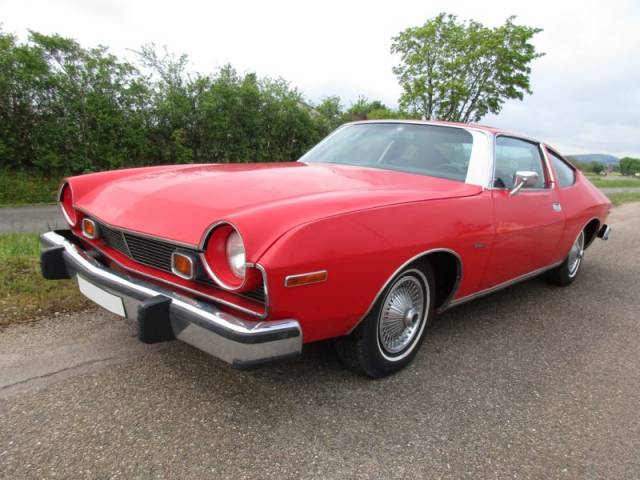
1977 | AMC Matador
Française d’origine

Create search alert
Let yourself be notified as soon as a listing is published that matches your search filters.
Create listing
Do you have a AMC Matador that you want to sell? Then create a listing now.
Create listingAMC Matador Classic Cars: Prices & Market Values
History of the AMC Matador
AMC introduced the Matador in 1971, aimed at the mid-size family car market. The model undertook a significant transformation through its lifetime, starting with the 1971–1973 series available as a two-door hardtop, four-door sedan, and station wagon. In 1974, AMC redefined the Matador as a full-size car, including a striking two-door coupe. The Matador reflected AMC’s innovative responses to market trends and regulatory changes during the turbulent 1970s.
Model History of the AMC Matador
The first-generation Matador (1971–1973) evolved from the AMC Rebel, introducing styling and engineering updates to address contemporary tastes. In 1974, the second generation repositioned the Matador on a full-size platform, enhancing interior space and introducing a bolder coupe, echoing American full-size car trends of the period. Production of the Matador ended in 1978, marking the conclusion of AMC’s large-car legacy.
Highlights of the AMC Matador
The AMC Matador is known for its wide variety of body styles, shifting from family sedans and wagons to striking coupes, mirroring the evolving preferences of American car buyers in the 1970s. This adaptability is also reflected in technological upgrades and body design innovation between generations.
Technical Data of the AMC Matador
Special Editions and Collectible Models
Some Matador models, particularly full-size coupes from the later years, became known for distinctive styling and limited production numbers, especially those featuring unique trim packages or special order paint schemes. However, detailed information on factory-produced limited editions is scarce for this model.
Weak Spots and Common Issues
Details on recurring technical problems for the AMC Matador are limited based on available data. As with many cars from this era, potential buyers should carefully inspect bodywork for corrosion and mechanical components for wear, especially on older full-size vehicles.
Engine and Performance, Transmission and Handling
The AMC Matador offered a range of engines throughout its production, from economical inline-six units to robust V8s, allowing for a balance of fuel efficiency and classic American power. The transition from mid-size to full-size brought suspension and handling improvements, especially in coupes. Manual and automatic transmissions were available, appealing to a wide driver base. Sought-after variants include the 1971–1973 two-door hardtop for its balance of practicality and style, and the 1974–1978 coupe for its unique presence among American full-size cars.
Interior, Comfort, Exterior and Design
The AMC Matador’s design evolved in line with 1970s trends. Early models maintained clean, functional lines, while later full-size versions, especially the coupe, adopted a more flamboyant, angular exterior. Interiors varied by trim but typically featured bench seats and durable materials. Options included upgraded radios, air conditioning, and custom paint. Standout design features include the bold grille and, on coupes, long, sloping rear lines. The Matador's adaptability to different body styles made it a showcase of AMC's design language in its era.
Other Notable Features
The Matador played a significant role in AMC’s motorsport history, particularly the coupe, which gained notoriety in NASCAR due to its distinctive appearance and competitive capacity in select series events.
Summary
The AMC Matador stands as a display of American automotive development in the 1970s, bridging mid-size practicality with full-size versatility. Available as sedans, coupes, and wagons, it reflects AMC’s response to changing market tastes and continues to attract attention for its distinctive styling and adaptability.