AMC Javelin classic cars for sale
The AMC Javelin embodies American muscle car flair with its strong engine choices, distinctive design by Richard A. Teague, and racing pedigree. Produced between 1968 and 1974 over two generations, the Javelin sets itself apart among pony cars, particularly with rare models assembled in Europe and unique interior options like the Pierre Cardin design. Explore the historical and technical depth of this bold coupe below.
Search results
Currently, there are no matching listings for your search.
Create search alert
Let yourself be notified as soon as a listing is published that matches your search filters.
Create listing
Do you have a AMC Javelin that you want to sell? Then create a listing now.
Create listingAMC Javelin listing references from Classic Trader
Below you will find listings related to your search that are no longer available on Classic Trader. Use this information to gain insight into availability, value trends, and current pricing for a "AMC Javelin" to make a more informed purchasing decision.
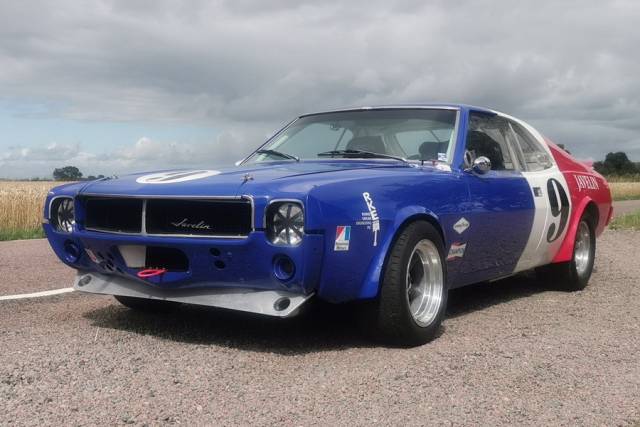
1968 | AMC Javelin V8 290
AMC Javelin Trans-Am FIA

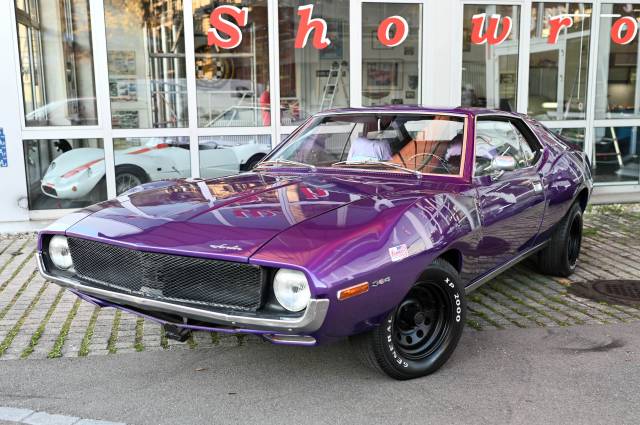
1971 | AMC Javelin SST 304
Originales und seltenes Muscle Car, CH Auslieferung, läuft und fährt, ab Platz

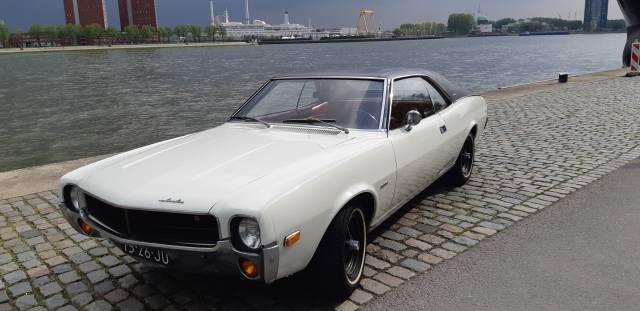
1970 | AMC Javelin 79-K
Rare Karmann AMC Javelin 290 SST 79K (only 280 produced)

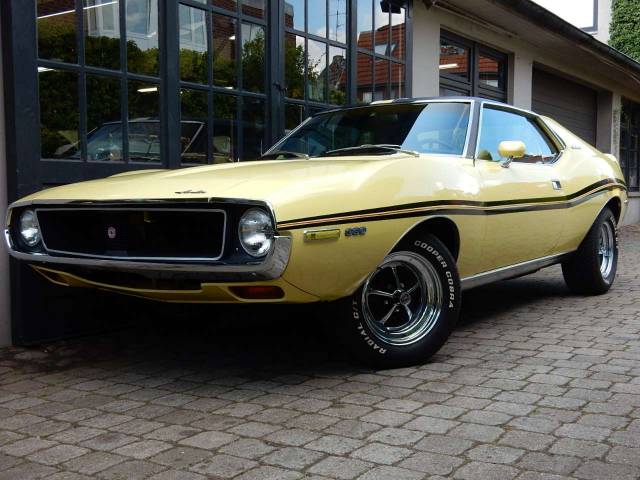
1971 | AMC Javelin SST 360
Sonstige Marken AMC Javelin SST

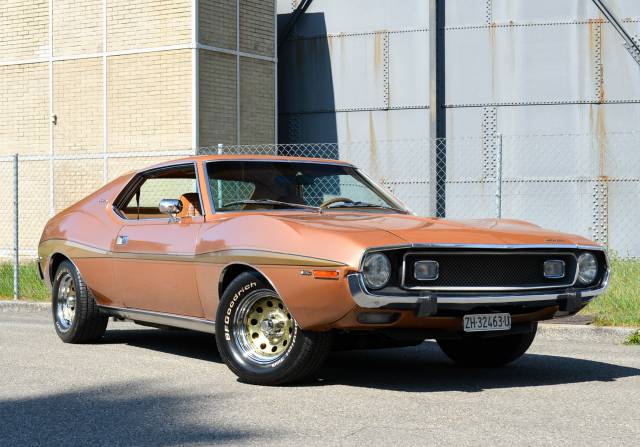
1973 | AMC Javelin
Rares Muscle Car, 5,9 Liter mit Vierfachvergaser, Schweizer Fahrzeug
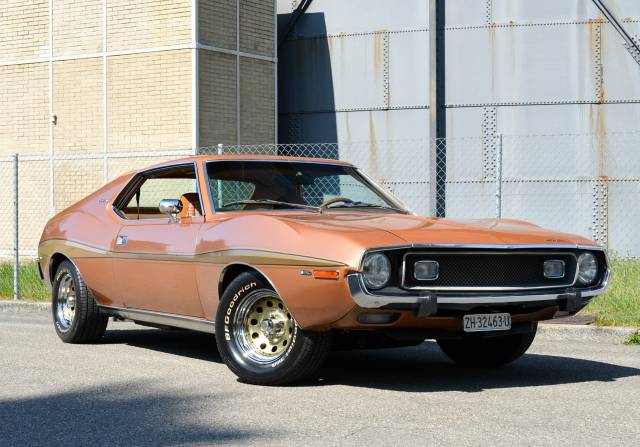
1973 | AMC Javelin
Rares Muscle Car, 5,9 Liter mit Vierfachvergaser, Schweizer Auslieferung
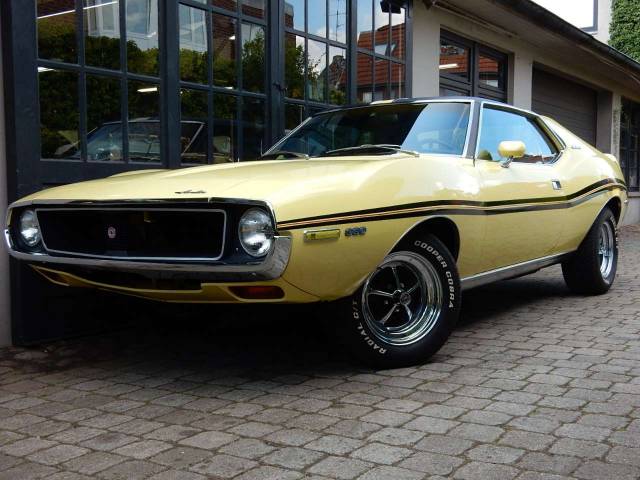
1971 | AMC Javelin SST 360
Sonstige Marken AMC
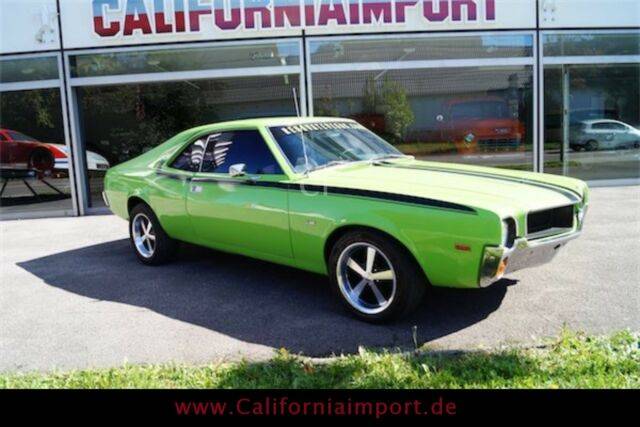
1968 | AMC Javelin V8 290
Sonstige Marken
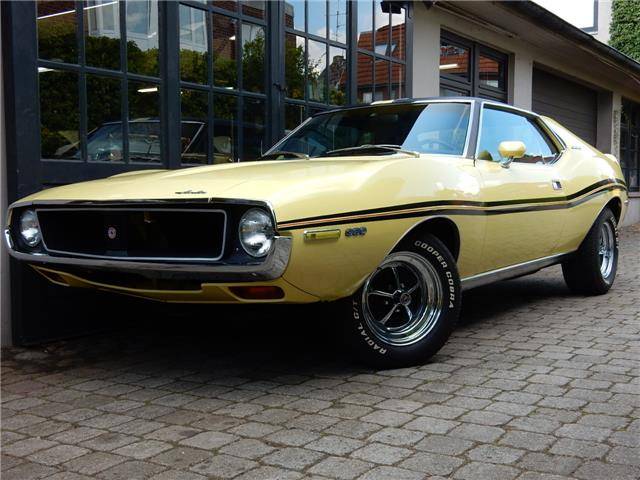
1971 | AMC Javelin SST 304
Sonstige AMC Javelin SST
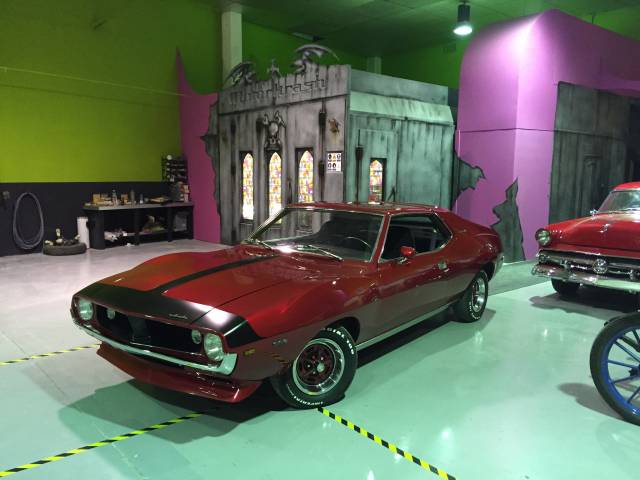
1971 | AMC Javelin AMX 401
AMC JAVELIN

Create search alert
Let yourself be notified as soon as a listing is published that matches your search filters.
Create listing
Do you have a AMC Javelin that you want to sell? Then create a listing now.
Create listingAMC Javelin Classic Cars: Prices & Market Values
History of the AMC Javelin
The AMC Javelin was introduced in 1968 as American Motors Corporation's contender in the highly competitive pony car segment. Designed by Richard A. Teague, the Javelin quickly established a distinct identity with its daring lines and robust performance. Unlike competitors, AMC positioned the car as an accessible yet spirited alternative for younger enthusiasts hungry for speed and style. Over its production run until 1974, the Javelin not only resonated with U.S. buyers but also made an impact in international markets, including Europe and Australia, with specific adaptations such as European assembly by Karmann and a rebadged 'Rambler' version abroad. The model was notable for its use as the first 'pony car' in U.S. police fleets and had direct involvement in racing, especially in the celebrated Trans-Am series, where it achieved significant success and contributed to AMC's brand image.
Model Evolution and Generations
The Javelin’s first generation (1968–1970) brought signature design cues and options suited to a rapidly evolving market for sporty coupes. Notable for its high output engines and safety features, the model was produced both in the U.S. and in rare numbers in Germany by Karmann, like the 1969 example—one of just 280 built. The second generation (1971–1974) saw refined styling, performance upgrades, and special edition releases. With adaptations for global markets such as unique trim and specific configurations, the model lineage remains distinct, with no direct successor following AMC’s shift in focus due to changing automotive trends in the mid-1970s.
Highlights and Popularity
Key highlights of the Javelin include its racing success (notably in the Trans-Am series), European-assembled rarities, the special SST and Pierre Cardin interiors, standard safety features like front seat head restraints and seat belts, and high output engine options. The Javelin also stood out for its inclusion as a high-speed pursuit vehicle in U.S. police fleets—an unusual distinction in the pony car landscape.
Technical Data
Special Editions and Collectible Models
The Javelin SST emerged as a highlighted variant, tailored initially for homologation into Trans-Am racing. It differed from the track car primarily in engine output but retained numerous unique features—reclining front seats, wood-effect trim, and sport steering wheel. The Pierre Cardin interior edition (1972–1973) stands out for its avant-garde coloured fabric stripes and bespoke design by the renowned fashion house. European-assembled models (e.g., Karmann Germany, 1969) are exceptionally scarce, with just 280 completed, highly prized by collectors due to their rarity and specific market adaptations.
Engine, Performance, Transmission, and Handling
Performance is a linchpin of the Javelin’s appeal, with V8 powerplants delivering ample acceleration and torque characteristic of the pony car class. The first generation focused on speed and driver engagement, while the second generation further refined handling and high-speed stability, especially in SST and Trans-Am derivatives. Factory four-piston disc brakes and power assistance improved stopping performance, and manual transmissions were available for enthusiasts. The Javelin’s chassis and powertrain lent themselves well to both spirited driving and motorsport, as demonstrated by class victories and race wins in Trans-Am competition. - 1969 Javelin (Karmann-assembled, 290 cu in V8, 200 hp): Extremely rare, exclusive European version, equipped with automatic transmission, bucket seats, power disc brakes and vinyl roof.
- SST with Trans-Am homologation: Higher output engines, unique trim, focused on competitive capabilities.
- Pierre Cardin interior editions: Known for high-spec design elements, unique Cabin experience.
Interior, Comfort, Exterior and Design
The Javelin’s design—attributed to Richard A. Teague—emphasised a bold, muscular stance, often standard in bright colours and with options like a vinyl roof. Interior highlights include sport steering wheels, wood-effect door panels, and distinctive bucket seats. Accessory offerings included optional sunroof installations in select European imports, original fitted carpets, bespoke upholstery for premium versions, and the striking Pierre Cardin interior package in 1972–1973. These cars featured vibrant, multicoloured fabric detailing and unique dash accents, reflecting 1970s American automotive fashion. Exterior refinements included special air vents on the bonnet, optional rear window louvers, and distinctive wheel designs.
Other Details of Interest
Javelin models tailored for the European market showcase features not ordinarily seen in U.S. cars, such as bonded windows and Karmann-specific assembly details. The model’s role as a U.S. police pursuit car underscores its robust mechanical reliability and high-speed suitability—unusual credentials for a pony car. Matching numbers are commonly documented, crucial for valuation and collectibility.
Summary
The AMC Javelin is a defining entry in American muscle history, blending bold looks, strong performance, and genuine racing credentials. Its international variants, especially those built by Karmann, and special editions like the SST and Pierre Cardin interior models, make each example a case study in 1970s car culture. The enduring demand across enthusiasts is evidenced by high search statistics, and its technical layout assures robust performance and ongoing maintainability.