AMC Eagle Classic Cars for Sale
The AMC Eagle is widely regarded as the originator of the crossover concept, blending a raised ride height, all-wheel drive, and passenger-car comfort – well before the SUV boom hit. Offered in multiple body styles from 1979 to 1988, the Eagle delivers everyday usability and robust construction, standing out as a unique chapter in American car manufacturing history.
Search results
Currently, there are no matching listings for your search.
Create search alert
Let yourself be notified as soon as a listing is published that matches your search filters.
Create listing
Do you have a AMC Eagle that you want to sell? Then create a listing now.
Create listingAMC Eagle listing references from Classic Trader
Below you will find listings related to your search that are no longer available on Classic Trader. Use this information to gain insight into availability, value trends, and current pricing for a "AMC Eagle" to make a more informed purchasing decision.
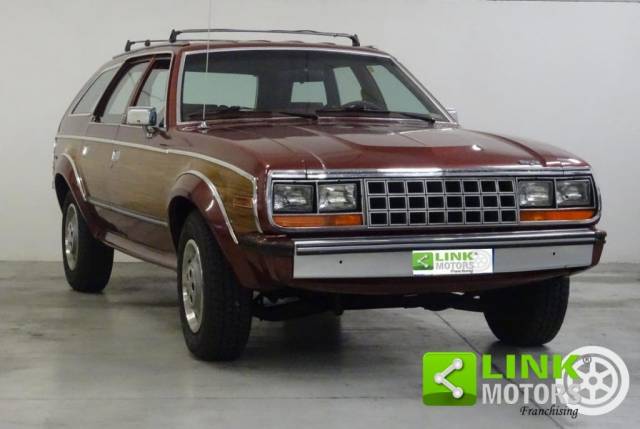
1987 | AMC Eagle
JEEP AMC-EAGLE-4.2-AUTOMATICA

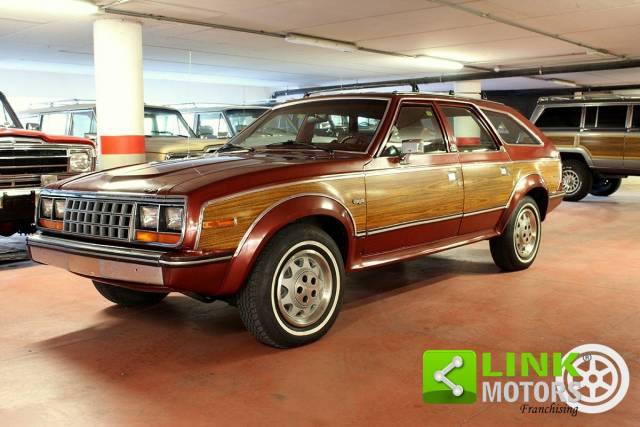
1987 | AMC Eagle
AMC EAGLE 4.2 AUTOMATICA
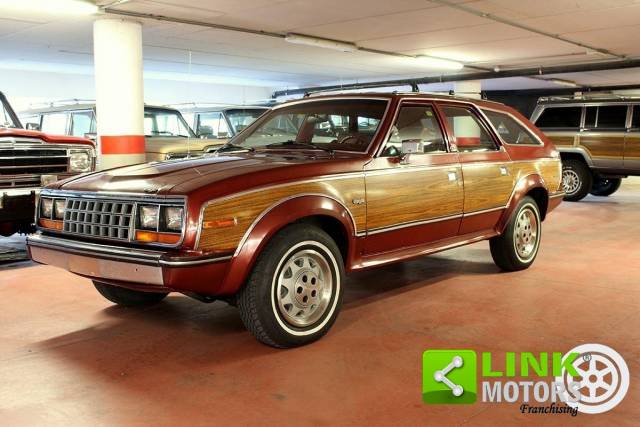
1987 | AMC Eagle
AMC EAGLE 4.2 AUTOMATICA
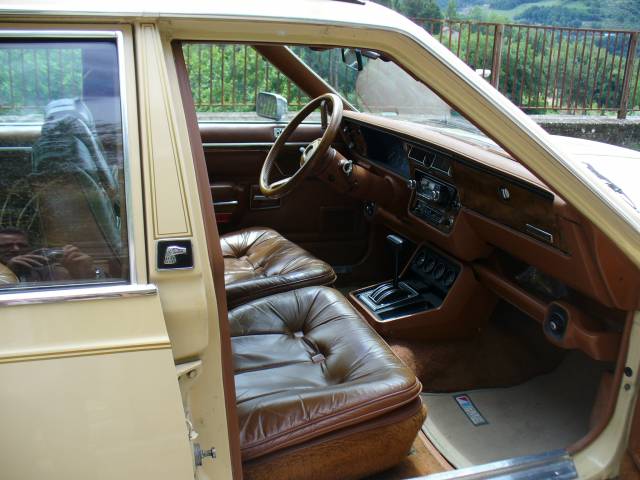
1985 | AMC Eagle
Una vera aquila per grandi viaggi
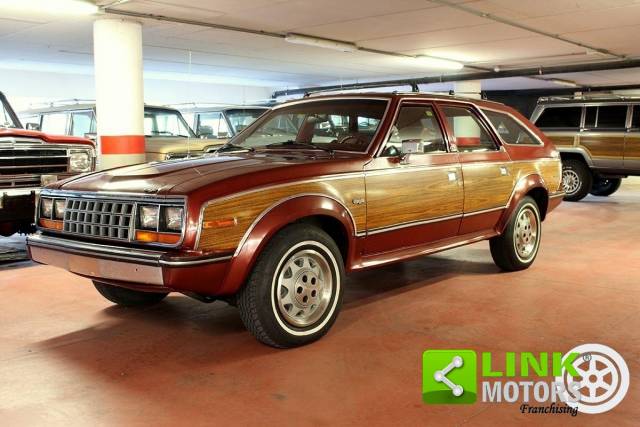
1987 | AMC Eagle
AMC EAGLE 4.2 AUTOMATICA
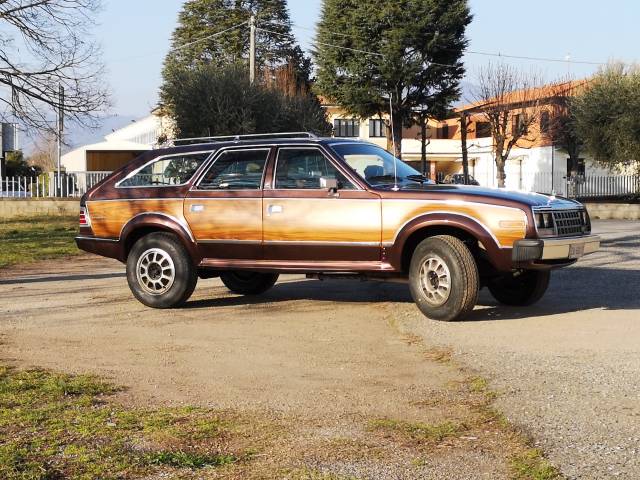
1982 | AMC Eagle
Una 4x4 fantastica e per lunghi viaggi
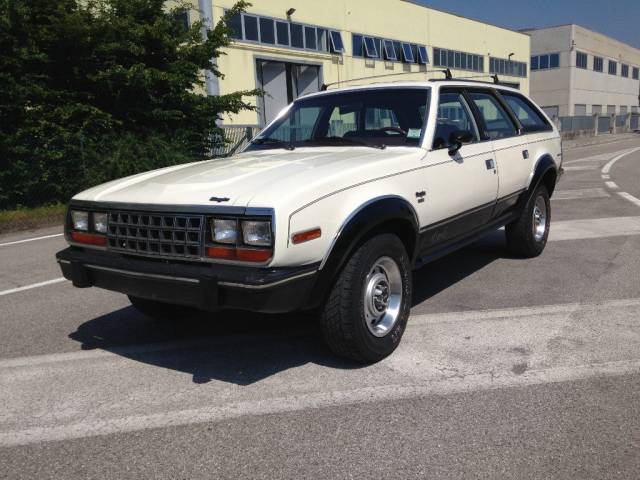
1981 | AMC Eagle
OLDTIMER AMC EAGLE 4x4 SPORT
Create search alert
Let yourself be notified as soon as a listing is published that matches your search filters.
Create listing
Do you have a AMC Eagle that you want to sell? Then create a listing now.
Create listingAMC Eagle Classic Cars: Prices & Market Values
History of the AMC Eagle
Launched by American Motors Corporation in 1979, the AMC Eagle was conceived as an answer to shifting buyer demands during an era of fuel uncertainty and growing interest in versatile vehicles. The Eagle introduced a genuinely novel formula: a family car equipped with permanent four-wheel drive and independent front suspension—a combination not available on any other US-built passenger vehicle at the time. Aimed at bridging the gap between imported Japanese four-wheel drives and large American off-roaders, the Eagle offered car-like comfort while delivering superior traction in adverse weather and road conditions. After AMC was acquired by Chrysler in 1987, production continued briefly under the new ownership, with the last Eagles rolling out in the 1988 model year.
Model History and Evolution
The Eagle's chassis derived from the AMC Concord, itself rooted in earlier Hornet architecture. Initially launched in various four-wheel drive forms—sedan, wagon, coupe, and hatchback—the range was streamlined over time as AMC dropped less popular variants to focus on the higher-selling sedan and estate versions. In 1981, a 2.5-litre four-cylinder became standard, while the renowned 4.2-litre straight-six remained optional, later returning as standard equipment for 1985. Noteworthy developments included the introduction of the Select-Drive system in 1982, giving drivers the option of engaging or disengaging four-wheel drive instantly. Throughout its run, production shifted from Kenosha, Wisconsin to Brampton, Ontario, before Chrysler ultimately ended the Eagle's story in late 1987.
Highlights and Unique Features
The Eagle stands out for launching the crossover class well in advance of automotive trends that would follow decades later. Its combination of a raised chassis, available Select-Drive all-wheel drive, and versatile body configurations made it a viable alternative for buyers facing icy or rough roads, or anyone needing a capable year-round vehicle for family or work. Early standard equipment was generous for its class, with features such as power steering, whitewall tyres, and extended rust-protection. According to Classic Trader statistics, the Eagle accounts for 100% of AMC classic car listings and views, underscoring its unique role in the marque’s legacy and its strong appeal to classic car enthusiasts interested in niche American engineering.
Technical Data
Special Editions and Collectible Variants
Among the notable variants were the Eagle SX/4, a sporty liftback, and the Kammback hatch, both aimed at broadening the Eagle’s appeal beyond wagons and sedans. The SX/4 in particular is noteworthy among collectors for its distinctive shape and more youthful market positioning. Limited-run facelifts, grille changes, and special equipment packages appeared during the model’s lifecycle. After 1984, the Eagle line focused on wagon and sedan models, with earlier rare bodystyles now especially sought after by enthusiasts.
Weak Spots and Common Issues
No detailed weaknesses are documented in the available sources. Prospective buyers should take special care to inspect for corrosion, as with any vehicle of this era, and confirm the functionality of the four-wheel drive and Select-Drive system components. Spare parts may require sourcing from specialist suppliers, particularly for the less common models like the SX/4 and Kammback.
Engine, Performance, and Handling
With its permanent or selectable four-wheel drive and increased ride height, the Eagle performs admirably on poor roads and in tough weather. Its 4.2-litre engine offered solid torque for the era, and the vehicle was praised for providing a car-like ride even with the tough running gear. The Select-Drive feature, introduced in 1982, allowed for improved fuel economy during normal driving by allowing the driver to switch between two-wheel and four-wheel drive at will. The 4.2-litre models provide the most robust driving experience, but even the 2.5-litre versions are capable given the vehicle’s focus on usability rather than pure speed. Most sought-after versions today include the original 4.2-litre wagons, the liftback SX/4, and rare early Kammback hatches.
Interior, Comfort, Exterior, and Design
The Eagle matched AMC Concord styling cues, featuring distinctive grille treatments for sportier models, robust bumpers, and a ride height notably higher than typical sedans or estates of the era. Wheel arch extensions and reinforced sills contributed to its rugged look while maintaining car-like lines. Interior setups ranged from utilitarian to well-equipped, with comfortable seats and a design likened by some to 'riding on a sofa'. Special editions introduced unique colour palettes and upholstery, while the high seating position gave drivers commanding road visibility. Period options included power accessories, air conditioning, and premium trims.
Additional Details
The AMC Eagle is frequently credited as the first mass-market crossover, decades ahead of the segment’s popularity. Its conception was driven by AMC’s Roy Lunn amid oil crises and changing consumer tastes, leading to a blend of off-road capability and on-road liveability rarely matched until much later. The Eagle’s engineering presaged later Subaru and Audi all-wheel drive wagons, making it a true forerunner, particularly valued by enthusiasts in regions subject to inclement weather.
Summary
The AMC Eagle’s hybrid of car and off-roader established it as a watershed in automotive design. With its unique engineering, multiple body styles, and definitive role in creating the crossover template, the Eagle is a distinct and memorable classic, particularly for enthusiasts favouring practicality as much as automotive history.