Allard Palm Beach classic cars for sale
The Allard Palm Beach is a very rare British roadster from the 1950s. Offered primarily with lively Ford engines and limited to just 80 examples, it combines classic open-top motoring with distinctive engineering. Its hand-built charm and low production numbers make it a sought-after curiosity for those interested in British sports cars of that era.
Search results
Currently, there are no matching listings for your search.
Create search alert
Let yourself be notified as soon as a listing is published that matches your search filters.
Create listing
Do you have a Allard Palm Beach that you want to sell? Then create a listing now.
Create listingAllard Palm Beach listing references from Classic Trader
Below you will find listings related to your search that are no longer available on Classic Trader. Use this information to gain insight into availability, value trends, and current pricing for a "Allard Palm Beach" to make a more informed purchasing decision.
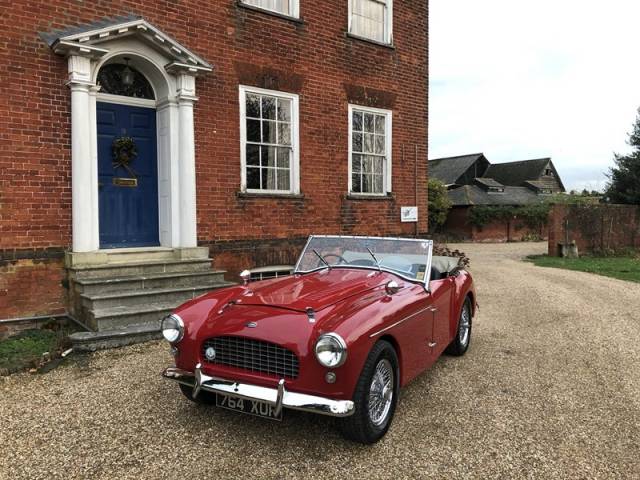
1957 | Allard Palm Beach

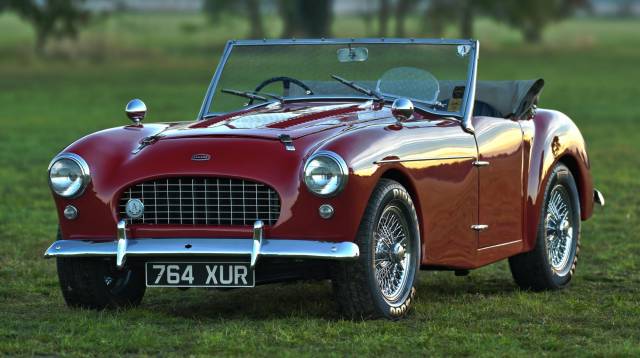
2018 | Allard Palm Beach
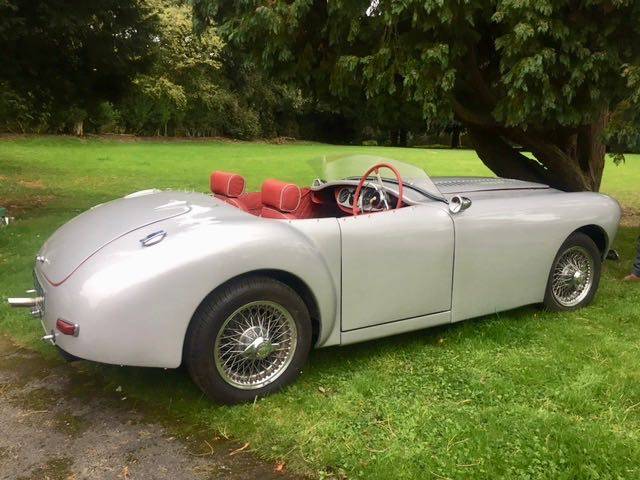
1952 | Allard Palm Beach
Allard Palm Beach Mk1 140bhp 2.6 Zephyr 6cyl 4-speed UPGRADE
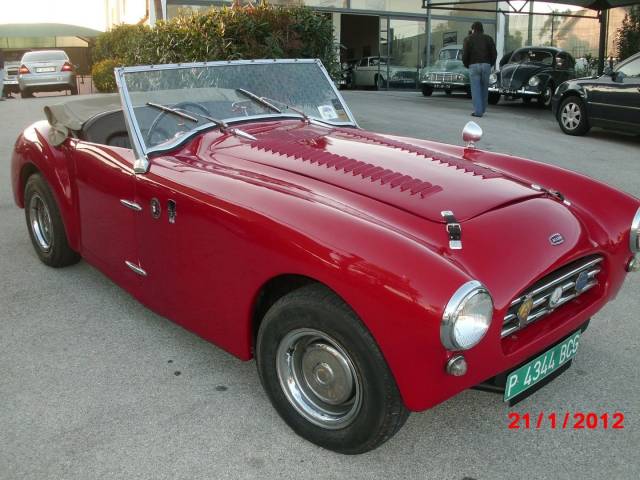
1957 | Allard Palm Beach
Allard Palm Beach MKl

Create search alert
Let yourself be notified as soon as a listing is published that matches your search filters.
Create listing
Do you have a Allard Palm Beach that you want to sell? Then create a listing now.
Create listingAllard Palm Beach Classic Cars: Prices & Market Values
History of the Allard Palm Beach
The Allard Palm Beach emerged in 1952 as a fresh reinterpretation of the British roadster by the Allard Motor Company, using the chassis of the Allard K3 as its basis. Conceived during a period of optimism in British automotive manufacturing, it aimed at enthusiasts desiring a nimble, lightweight two-seater. Available exclusively with four- or six-cylinder engines, the Palm Beach reflected Allard’s strategy to broaden appeal beyond their powerful V8 models. Its Mark II version arrived in 1956, introducing subtle design updates. Production ceased by 1958 after only 80 cars, cementing its status as one of the lesser-seen British classics today.
Model History
The Palm Beach continued Allard's tradition of using strong chassis and reliable mechanical components. Built as the successor to the K3, it differed by focusing on smaller engines, such as the 2.3-litre six-cylinder Ford Zephyr unit, producing 85 bhp, and sometimes four-cylinder options. The Mk I was introduced in 1952, replaced in 1956 by the Mk II which featured several refinements in both aesthetics and mechanicals before production ended in 1958. With no direct successor, the Palm Beach marked the end of the era for Allard's roadster bloodline.
Highlights of the Allard Palm Beach
- Hand-built British roadster with low production numbers.
- Exclusively equipped with reliable four- and six-cylinder engines, including the Ford Zephyr 2.3-litre straight-six.
- Three-speed manual transmission and lightweight chassis for responsive driving.
- 13-inch steel wheels and 52mm hubs standard.
- Interior examples show options for leather upholstery, like red leather, highlighting a level of personalisation.
- Vehicles exported internationally, with some known provenance such as ex-New Zealand cars.
In terms of availability and popularity: The Allard Palm Beach is extraordinarily rare in classic car markets, with only 80 ever built, making its share among classic Allard listings extremely low. This rarity translates to very few opportunities for both supply and demand.
Technical data
Special Editions and Collectible Models
Due to the small total production, any Allard Palm Beach with original specification, documented history, or unique ex-factory options such as special paint or upholstery is considered especially noteworthy. Some examples with international provenance, like exports to markets such as New Zealand, stand out within the already limited pool.
Weak Spots and Common Issues
There are no specifically documented common weaknesses in the provided information; however, as with many 1950s British sports cars, buyers should carefully inspect for corrosion, mechanical wear in the engine and drivetrain, and authenticity of original parts, especially trim and interior details.
Engine, Performance and Handling
The Palm Beach's 2.3-litre six-cylinder engine delivered 85 bhp, routed to the rear wheels via a three-speed manual transmission. The light weight of the body and the straightforward chassis construction resulted in agile handling characteristics, rewarding drivers seeking a lively experience. Gear ratios and steering geometry prioritised responsive, sporty driving. The Mk II offered slight tweaks but maintained the car’s balanced, straightforward sports car dynamics. - Palm Beach Mk1 Roadster: 2.3-litre Ford Zephyr, 85 bhp, three-speed manual, noted for its sweet spot of performance and usability.
Interior, Comfort, Exterior and Design
The Palm Beach exhibits signature Allard styling cues with its elongated bonnet, compact cockpit, and open roadster body. Different configurations of paintwork have been reported, including metallic silver, and interiors could be trimmed in leather, often in striking colours such as red. Detailing such as the 52mm hubs and 13-inch steel wheels contributed to a purposeful stance. Accessories and configurations were frequently tailored for buyers, with examples showcasing bespoke touches that highlighted its handcrafted nature.
Other notable aspects
Allard’s Palm Beach attracted enthusiasts not only at home in the UK but across the world due to its rarity and distinct engineering direction. Surviving examples sometimes come with interesting international histories, increasing their interest for collectors seeking unique provenance.
Summary
The Allard Palm Beach is one of the rarest post-war British sports cars, constructed on a foundation of reliability and sporting prowess. Distinguished by its use of four- and six-cylinder engines and hand-built details, it stands out as a compelling choice for those who value exclusivity and genuine 1950s British craftsmanship in an open-roadster format.