Aero Aero 30 Classic Cars for Sale
The Aero 30 stands out among early 1930s European tourers for its advanced engineering and distinctive streamlined design, making it a true reference for connoisseurs of pre-war Czech automotive history.
Search results
Currently, there are no matching listings for your search.
Create search alert
Let yourself be notified as soon as a listing is published that matches your search filters.
Create listing
Do you have a Aero Aero 30 that you want to sell? Then create a listing now.
Create listingAero Aero 30 listing references from Classic Trader
Below you will find listings related to your search that are no longer available on Classic Trader. Use this information to gain insight into availability, value trends, and current pricing for a "Aero Aero 30" to make a more informed purchasing decision.
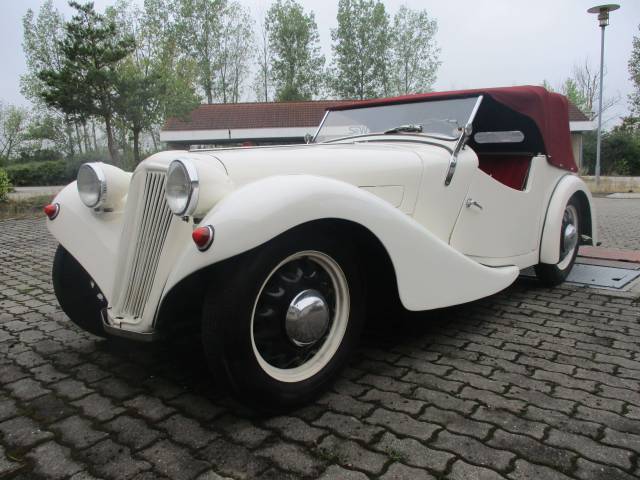
1937 | Aero Aero 30
Skoda Aero 30

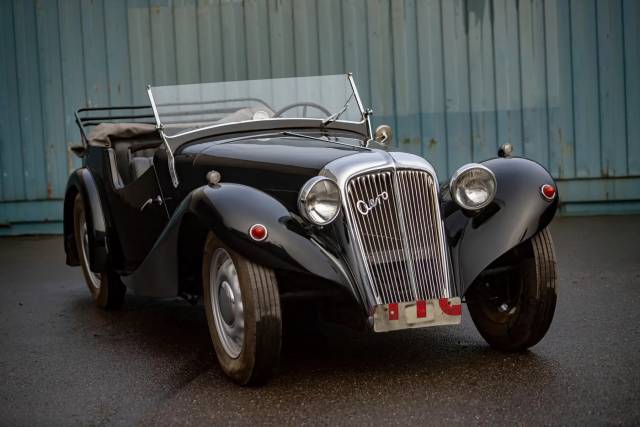
1938 | Aero Aero 30
Low Kms - Rare - Needs Commissioning

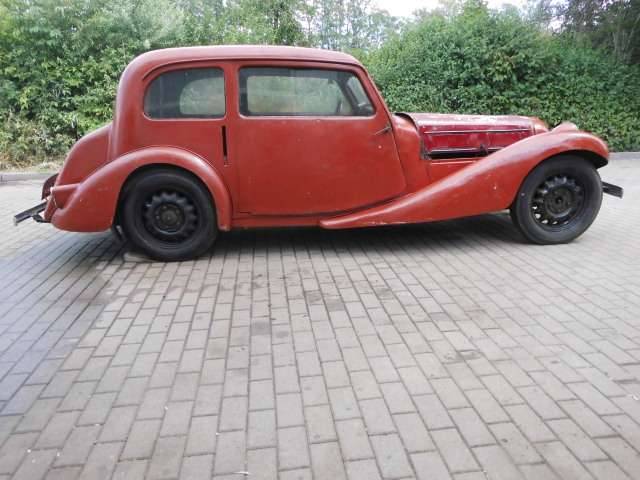
1938 | Aero Aero 30
Oldtimer Tatra Aero 30
Create search alert
Let yourself be notified as soon as a listing is published that matches your search filters.
Create listing
Do you have a Aero Aero 30 that you want to sell? Then create a listing now.
Create listingAero Aero 30 Classic Cars: Prices & Market Values
History of the Aero 30
The Aero 30 was launched in the mid-1930s by the Czech manufacturer Aero, which was originally more renowned for its aviation achievements than its car production. By 1934, the Aero 30 emerged as one of the marque's most ambitious efforts, offering a blend of technical innovation and lightweight construction at a time when the Central European market favoured affordable, reliable vehicles. The model quickly became notable for its use of front-wheel-drive technology, then an uncommon feature, providing improved handling and increased practicality for daily use. Its heyday was during the interwar period, where the Aero 30 found popularity among drivers seeking modern features wrapped in creative engineering from the heart of Czechoslovakia.
Model History: Timeline and Evolution
The Aero 30 built on the foundations of the earlier Aero 20, inheriting its focus on compactness and economy but with a more powerful engine and advanced suspension design. The Aero 30's career ran primarily from 1934 to 1940, before Aero shifted its attention back to aircraft production as World War II intensified. Its successor in spirit would later be seen in the Aero Minor, although this post-war model represented a distinct generation and focus. The precise production numbers remain debated among historians due to the disruptions of the war, but the Aero 30 remains synonymous with the peak of pre-war Czech automotive engineering.
Highlights and Unique Features of the Aero 30
Key features of the Aero 30 include its front-wheel drive layout, advanced for its era, and its lightweight body construction using a combination of steel and aluminium panels. The car also boasted a water-cooled two-stroke inline engine, offering lively performance and easy maintenance. Its aerodynamic silhouette provided not only aesthetic appeal but also efficient road dynamics—an unusual trait in affordable cars of the 1930s.
Technical Data
Special Editions and Collectible Models
There is no record of officially designated special editions for the Aero 30. However, variants with special coach-built bodies, such as convertibles or custom coupes by small Czech ateliers, do appear in historical records and may be of particular interest to collectors.
Engine and Performance, Transmission and Handling
With its low weight and two-stroke engine, the Aero 30 offered notably nimble performance for its time. The car’s advanced front-wheel-drive system improved traction in adverse road conditions and delivered precise cornering—a rarity in the 1930s. The manually operated gearbox was engineered for robust everyday use, although period documentation notes that regular maintenance of the linkage and lubrication system was required to avoid premature wear. Due to its limited production and model variety, the standard Aero 30 saloon and the rarer convertible versions are the most frequently noted by enthusiasts. The convertible is especially regarded for its recreational driving character, though technical specifications remained largely unchanged across body types.
Interior, Comfort, Exterior and Design
The Aero 30 embodied streamlined bodywork influenced by aerodynamic principles of the early 1930s. The dashboard featured clear, easy-to-read instrumentation, while the seating layout prioritised occupant space relative to the car's compact footprint. Upholstery was typically executed in fabric or simple leather, with some models featuring Art Deco-inspired trim elements. Optional accessories included fitted luggage racks and upgraded lighting assemblies. The overall aesthetic was reserved yet progressive, clearly bearing the mark of Czech designers experimenting with both function and form.
Other relevant features
Some vehicles were fitted with period accessories such as rally spotlights, heaters adapted for Central European winters, and additional instruments for use in endurance competitions or tourist drives.
Summary
The Aero 30 stands as a singular figure in the landscape of pre-war European cars, offering features that were ahead of its time and representing 100% of Aero listings and buyer interest on our marketplace. Its technical attributes, particularly front-wheel drive and lightweight construction, made it a practical yet forward-thinking choice in the 1930s, and these same qualities continue to appeal to collectors and enthusiasts interested in Czech automotive heritage.