AEC Routemaster classic buses for sale
The AEC Routemaster stands as a distinctive chapter in British transport history, built by Associated Equipment Company and Park Royal Vehicles for London’s unique double-decker requirements. Noted for its robust front-engined design and instantly recognisable silhouette, the Routemaster offers classic engineering and an authentic experience of mid-20th-century urban mobility.
Search results
Currently, there are no matching listings for your search.
Create search alert
Let yourself be notified as soon as a listing is published that matches your search filters.
Create listing
Do you have a AEC Routemaster that you want to sell? Then create a listing now.
Create listingAEC Routemaster listing references from Classic Trader
Below you will find listings related to your search that are no longer available on Classic Trader. Use this information to gain insight into availability, value trends, and current pricing for a "AEC Routemaster" to make a more informed purchasing decision.
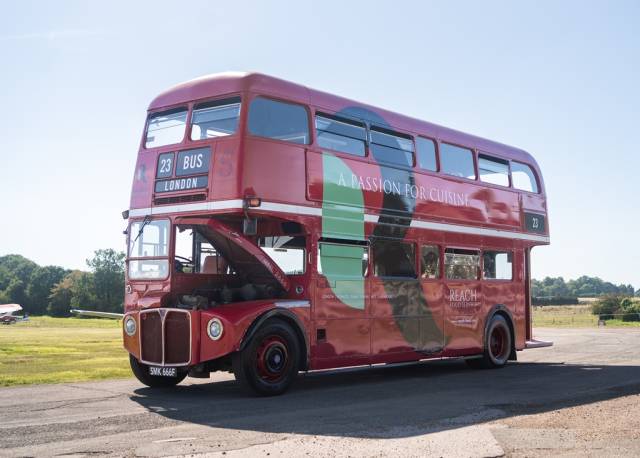
1967 | AEC Routemaster
AEC Routemaster Bus
Create search alert
Let yourself be notified as soon as a listing is published that matches your search filters.
Create listing
Do you have a AEC Routemaster that you want to sell? Then create a listing now.
Create listingAEC Routemaster Classic Cars: Prices & Market Values
Introduction and History of the AEC Routemaster
Developed to meet the demanding needs of London’s post-war public transport system, the AEC Routemaster emerged from a collaboration between London Transport, the Associated Equipment Company and Park Royal Vehicles. As early as 1954, the first prototype was readied, marking a move towards higher capacity, improved comfort and easier maintenance compared to older buses. By the conclusion of production in 1968, the Routemaster had defined double-decker operation for the capital, with over 2,800 units produced for intensive city circulation.
Model History
The Routemaster continued a tradition of robust, front-engined double-decker buses, following on from AEC’s earlier iconic London buses such as the RT and the RTL series. It introduced new features for its era, like lighter materials and advanced chassis design. Successor models have been inspired by its layout, but the Routemaster remained in service on the streets of London for decades, highlighting the enduring quality and adaptability of its construction.
Highlights of the AEC Routemaster
Few vehicles are as closely associated with the streets of London as the Routemaster. Distinguishing features include its half-cab layout, the instantly visible open rear platform—allowing easy hop-on, hop-off access for urban environments—and various configurations to suit multiple routes, including versions with platform doors and unique rear-engine prototypes. The Routemaster is more than a bus; it’s a piece of working transport heritage with specific design choices made for functionality and London’s urban rhythm.
Technical data
Special Editions and Collectible Models
Alongside standard city service buses, several coach and forward-entrance prototypes were built, featuring platform doors or even a transversely mounted rear engine in one-off experimental models. These rare configurations are sought after by collectors due to their deviation from the mainstream production run and technical experimentation.
Weak Spots and Common Issues
No explicit weaknesses have been identified for the Routemaster in the available sources. Given its age and use in intensive urban environments, buyers should check for corrosion in structural elements and ensure driveline and braking components are maintained according to heritage standards.
Engine and Performance, Transmission and Handling
The classic Routemaster offers steady urban performance, with engines designed for frequent stops and starts in city traffic. The manual transmission suits experienced drivers, while the robust suspension and frame deliver a solid yet surprisingly agile ride for a double-decker format. Handling is defined more by practicality and reliability than outright speed or finesse, with all configurations optimised for dense, high-demand routes. Virtually all AEC Routemaster examples for sale represent the model’s classic double-decker layout, with some rare coach variants and forward-entrance prototypes occasionally appearing. Each variant remains distinctive for its engineering and design philosophy.
Interior, Comfort, Exterior and Design
AEC Routemaster interiors combine basic comfort with high passenger capacity, prioritising standing room and quick movement. The half-cab structure, open rear platform and utilitarian seating reflect London Transport’s priorities of efficient passenger flow and easy access. Externally, the Routemaster retains its unique two-level profile, robust steel panelling and effortless recognisability. Colours were commonly the vivid red of London Transport, though special liveries appeared on coaches and for private hire vehicles. Beyond function, the Routemaster incorporates clever modularity for easier servicing and customisation, true to the needs of fleet operators.
Other Relevant Features
The Routemaster’s continued presence in heritage fleets and private collections underlines its sound build quality and flexibility, with many units restored for events, static exhibition or even repurposing for hospitality and tourism use.
Summary
AEC’s Routemaster exemplifies British double-decker bus engineering from the 1950s and 1960s, with every example on the classic market sharing the model’s distinctive technical and historical roots. The complete domination of AEC listings and demand by the Routemaster in our marketplace illustrates the enduring fascination with its unique place in transport history.