Trabant 601 classic cars for sale
Produced by Sachsenring in Zwickau from 1964 to 1990, the Trabant 601 defined everyday mobility in East Germany. Recognised for its plastic bodywork, two-stroke engine and distinctive design, the 601 was the only real choice for private transport in the DDR and remains synonymous with a unique chapter in German automotive history.
Search results
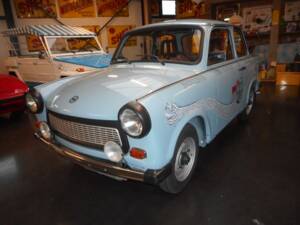
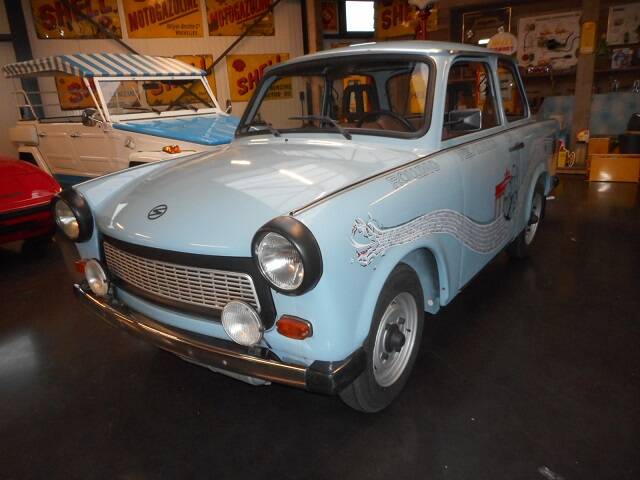
1992 | Trabant 601 S de Luxe
1992 TRABANT 601 LX JUBILEUM EDITION NEW only 20 km

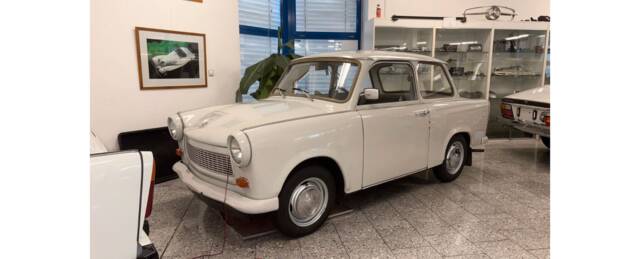
1977 | Trabant 601
Trabant 601 L – Originalzustand mit Erstlack

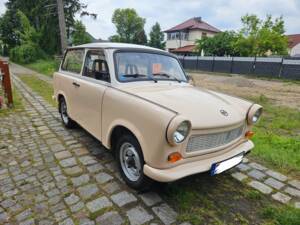
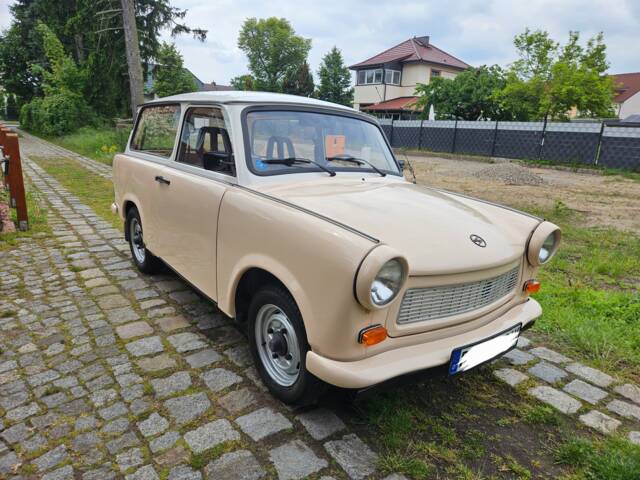
1987 | Trabant 601 Universal
Trabant 601 Universal (Kombi) – 9.500 km – DDR-Brief – prominente Vorbesitzerin
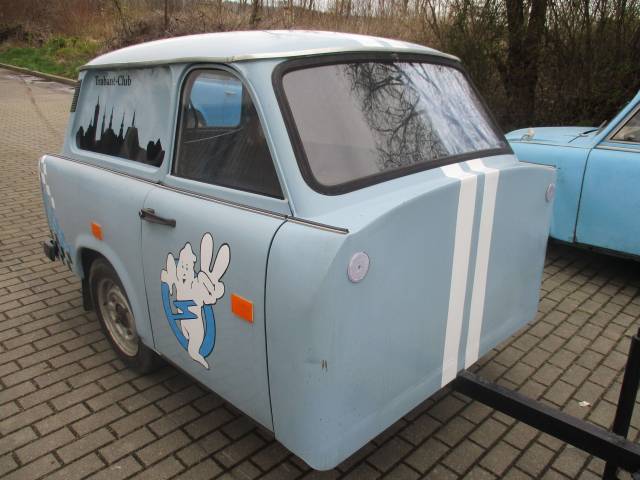
1975 | Trabant 601
Trabant 601 Hänger
Trabant 601 listing references from Classic Trader
Below you will find listings related to your search that are no longer available on Classic Trader. Use this information to gain insight into availability, value trends, and current pricing for a "Trabant 601" to make a more informed purchasing decision.
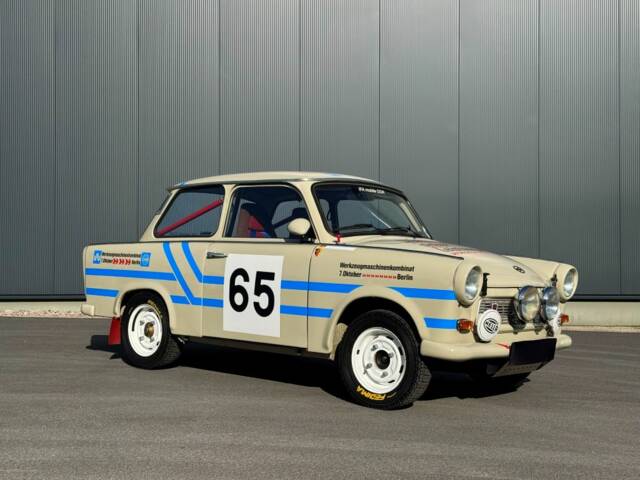
1978 | Trabant 601
RS 600 Rallye, restauriert, 2. Hd, Strassenzulassung, TÜV 2028
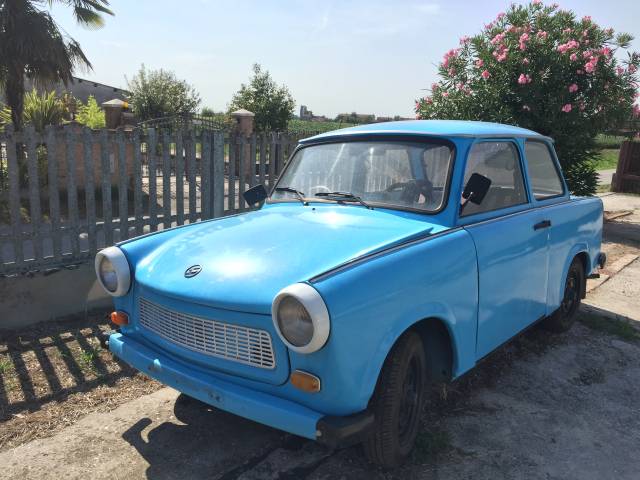
1989 | Trabant 601
Trabant 601 L

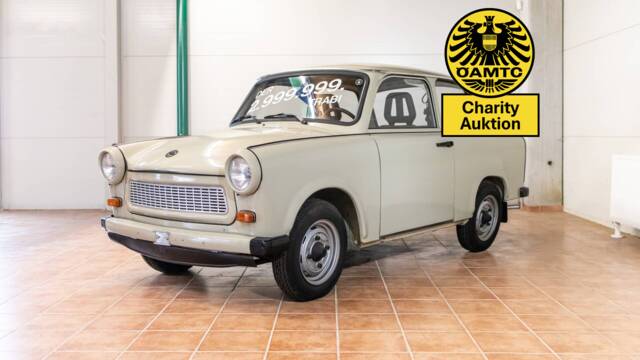
1990 | Trabant 601
!! ÖAMTC Charity Auction !! One of the last built, in original new car condition with only 8 km

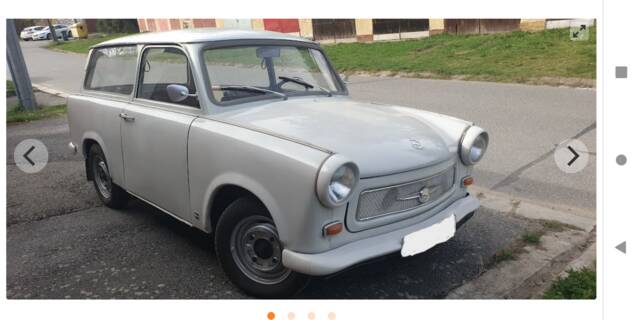
1968 | Trabant 601 Universal
Trabant 601 Kombi Baujahr 1968-Seltenes Modell,Veteranenprüfung
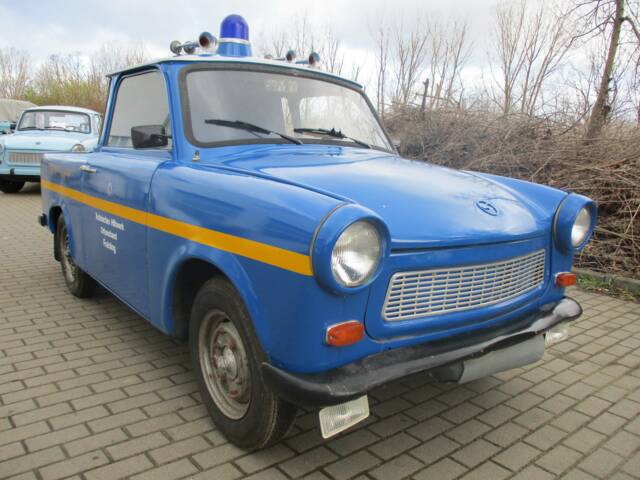
1974 | Trabant 601
Trabant P601 P 601 Pick up
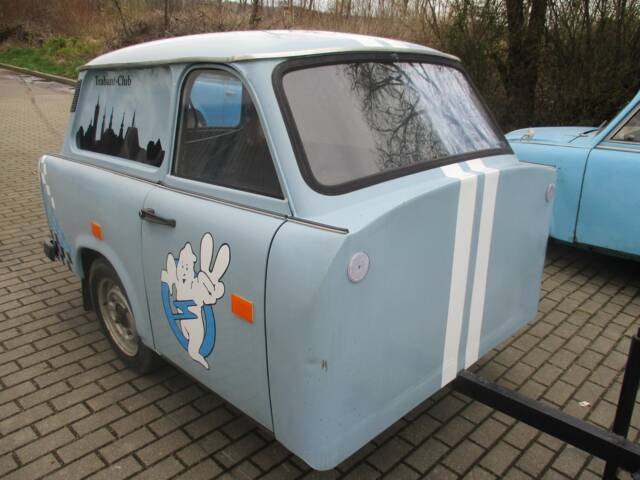
1975 | Trabant 601
Trabant 601 Hänger
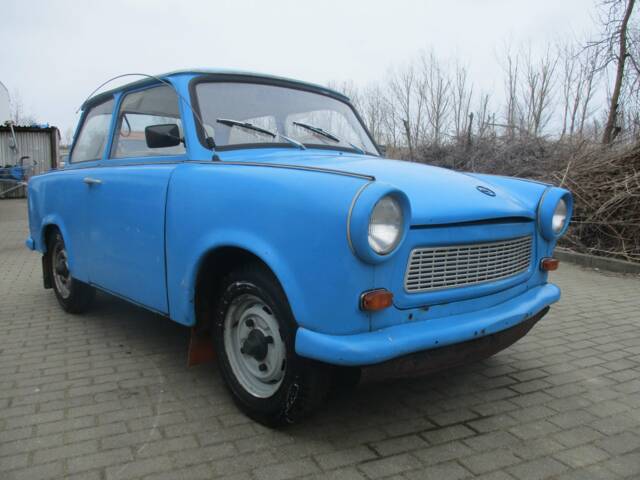
1971 | Trabant 601
Trabant P601
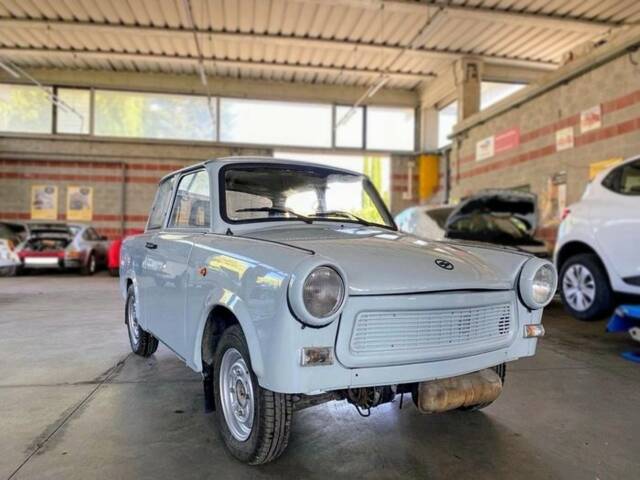
1989 | Trabant 601 S de Luxe
Trabant - P 601 S De Luxe - NO RESERVE - 1989
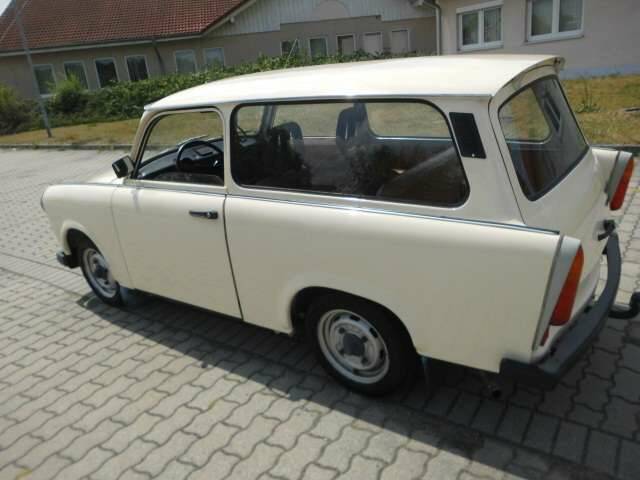
1989 | Trabant 601 S de Luxe
Trabant P601 Kombi Neuaufbau
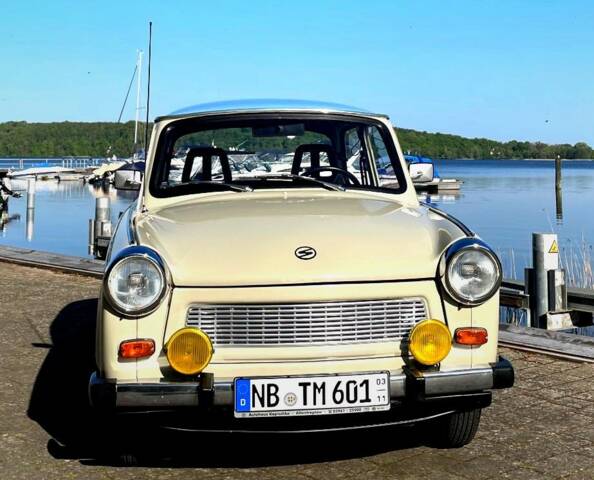
1989 | Trabant 601 S de Luxe
Voll restauriert und mit Wertgutachten
Trabant 601 Classic Cars: Prices & Market Values
The market value of Trabant 601 classic cars is primarily determined by technical condition, originality and mileage, as well as rarity, history and documentation. A well-maintained, largely original vehicle with low, verifiable mileage and complete history including appraisals and documentation typically achieves significantly higher prices than a comparable vehicle with deferred maintenance, many modifications or unclear provenance.
Trabant 601: Market Prices & Value Trends
Based on Classic Trader marketplace sales data from January 2021 to December 2025, the Trabant 601 market shows a broadly stable trend with a slightly firmer top end in the most recent 12–24 months. Most advertised values cluster in a realistic band of roughly £2,000 to £10,000, reflecting the typical spread between usable, older 601 saloons (often early-1970s to mid-1980s cars) and tidier late cars such as 1989–1992 601 S de Luxe or 601 Universal estates. A small number of high asking prices around £16,000–£21,500 appear repeatedly (notably for a 1992 601 S de Luxe in the Netherlands), but these look like premium, condition-led examples and should not be treated as the market norm. At the budget end, occasional sub-£2,000 adverts (including a 1989 car in Italy) indicate project or non-standard-condition outliers. Overall, European listings—especially from Germany and the Netherlands—suggest steady demand driven by nostalgia, rarity of well-preserved cars, and the appeal of original late-production models.
History of the Trabant 601
The Trabant 601, made by VEB Sachsenring in Zwickau, was introduced in 1964 as a successor to the Trabant 600 and became the most prolific vehicle in the Eastern Bloc, with nearly 2.8 million units built until production ended in 1990. The name Trabant means companion or satellite, a nod to the Sputnik era. Initially technologically advanced for its class, the 601 quickly became iconic in the DDR not just for its design, but for how it mirrored the planned and shortage economy of its time. Waiting for a new Trabant 601 was a normal ritual, with delivery times of up to 10 years for private individuals. Despite its rudimentary features and unchanged technology over decades, the 601 was the dream vehicle for many and has since transitioned from common sight to cult status and valued classic. The 601 left a definitive mark on the motoring culture of Eastern Europe, remaining instantly recognisable today.
Model History
The Trabant 601 followed the Trabant 600 and was produced in several versions: Saloon (Limousine), Universal (Estate), Kübelwagen (military/utility), and Forst (forest service). The 601 L ('L' for 'Luxus') and 601 S included upgrades like improved interior fittings or extra comfort. The main technical upgrades involved slight power increases and improved carburetion, but the platform itself remained fundamentally unchanged. In 1990, with Germany's reunification and rising competition, the 601 was succeeded by the Trabant 1.1, which featured a four-stroke engine from Volkswagen, but this model had only a short run before full production ceased.
Highlights and Special Features
The Trabant 601's body was made from Duroplast plastic mounted on a steel skeleton, a technical decision driven by material shortages in the East. The two-stroke, 594 cm³ inline twin produced 23 PS initially, later upgraded to 26 PS, reaching top speeds just over 100 km/h. The 601 became a visible symbol both of the successes and the constraints of East German engineering, with its distinctive rounded-square shape, front-wheel drive, and minimalistic interior.
Special equipment was limited but included options like interval wipers, warning lights, and extra stowage surfaces. Colours became a statement over time, with original hues including Papyrus White, Ahorngelb (maple yellow), Glacier Blue and striking two-tone roof combinations.
With a domestic market share of virtually 100% for Trabant, the 601 dominated East German roads and its presence in the marketplace remains unsurpassed, holding 100% of both supply and demand shares among Trabant models according to supply and demand statistics.
Technical Specifications
Special Editions and Collectible Models
Notable variations include the 601 L (better trim, more chrome), 601 S (additional comfort options), and the S de luxe/LX with special upholstery and features. The estate version, Universal, and military derivatives like the Kübelwagen or forest service Forst, are especially collectible. Some police, firefighting, and military models stand out due to unique equipment or colours. Rare original options such as special paint (Glacier Blue, Forst Grün) and accessories (factory radios, period roof racks) add to model desirability.
Weak Spots and Common Issues
The Trabant 601 is simple but requires regular attention to the ignition system, carburettor tuning, cooling fan, and proper lubrication. The two-stroke engine demands careful maintenance of the oil-fuel mix and frequent exhaust decoking. Duroplast panels are immune to rust, but the steel chassis and underbody can corrode if neglected. The electrical system was originally 6V, which can cause issues with lighting and starting; many cars have been converted to 12V for reliability. Brake drums and linkage need routine inspection for safety. Interior materials, especially seat fabrics and carpets, wear with age but are straightforward to refurbish. Originality in documenation (service books, delivery notes) significantly adds to value and collectibility of individual cars.
Engine, Performance, Transmission and Handling
With its light weight and torquey two-stroke engine, the Trabant 601 delivers brisk acceleration up to city speeds. The 4-speed column shift, while unconventional by modern standards, makes for an engaging driving experience. Suspension is independently sprung all round, affording supple ride and a surprising level of stability given the car's basic underpinnings. Drum brakes require respect, particularly in wet conditions. Top speeds between 100 and 110 km/h are achievable, and the car's compact size makes parking and urban manoeuvres especially easy. The manual choke and fuel tap are historical curiosities but demand attention in regular use. The drivetrain, especially the freewheel in fourth gear, contributes to fuel efficiency if used correctly. • Trabant 601 L: Increased comfort, more chrome, luxury interior accents • Trabant 601 Universal: Expanded boot space, practical for everyday hauling • Kübelwagen/Forst: Military and utility versions with distinctive paint and feature sets
Interior, Comfort, Exterior and Design
Designed by Werner Lang, the 601’s shape is instantly recognisable, with its compact Berlinetta lines, pronounced front arches, and rounded edges. The exterior showcases a standout simplicity, with pastel colour palettes and frequent two-tone roofs. Interiors were Spartan, prioritising functionality and ease of use. Later 'L' and 'S' variants added modest improvements like soft-touch dashboards, textured vinyls, or patterned seat fabrics reflecting 1970s and 1980s DDR tastes. The dashboard design remains minimal but was robust, and the forward view is superb due to thin pillars. Optional equipment included extra storage, basic radios, roof luggage racks, and, on some special models, unique paint finishes like Glacier Blue or Forst Green. The Kombi (Estate) versions are particularly valued for their utility and rare trim options.
Other Notable Features
Long-term documentation, such as original DDR purchase papers, service booklets, and even original plates, are common and highly valued collectors’ items with Trabant 601s. Over decades, modifications for practical use—such as installation of 12V systems, seat upgrades, and period accessories—have become frequent. The 601 is eligible for historic registration (H-plate) in Germany, which brings tax benefits and emission allowances, including entry to low emission zones. Accessories like covers, roof racks, and even period-correct radios are increasingly collected as part of the Trabant’s charm.
Summary
The Trabant 601 is a singular artefact of automotive and political history, combining basic but robust engineering with a design and reputation that shaped generations in Eastern Europe. Ubiquitous in the DDR, today it serves as a cultural touchstone—valued for its quirkiness, simplicity, and unique backstory. Its continued popularity in listings and searches reflects its undisputed relevance among classic vehicles and the ongoing passion from collectors and enthusiasts across Europe and beyond.