Singer Nine Classic Cars for Sale
The Singer Nine embodies British sports car engineering from the 1930s and 1940s with its spirited four-cylinder engine, lightweight construction, and pure, driver-focused design. From pre-war Le Mans racers to practical post-war Roadsters, this diverse model series appeals to connoisseurs and drivers alike.
Search results
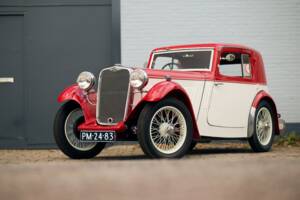
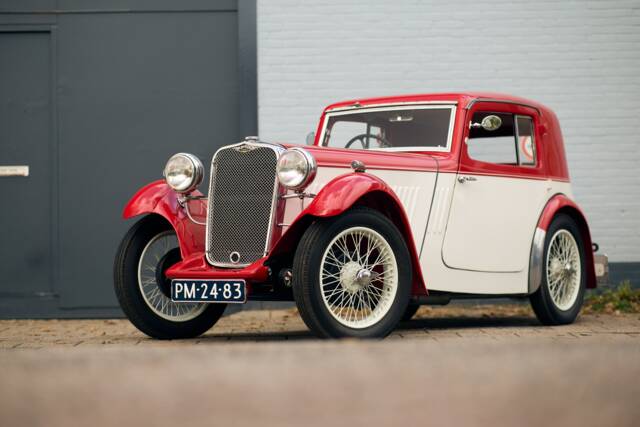
1932 | Singer 9 Le Mans
Nine Coupe



1934 | Singer 9 Sports
Ready for immediate use | Belgian registration | Fully restored


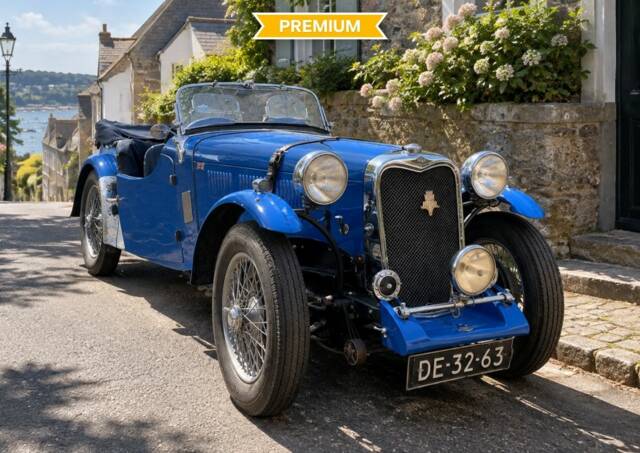
1936 | Singer 9 Le Mans
Singer Nine Le Mans Four-Seater | 1936 | Route 66 Auctions - For sale by auction. Estimate 12000 EUR
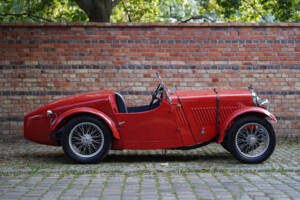
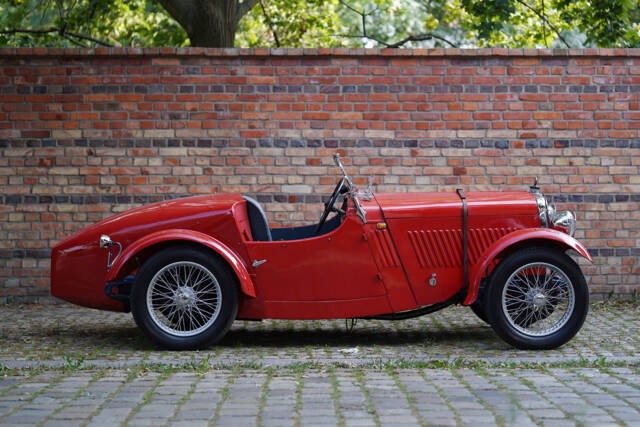
1933 | Singer 9 Sports
Pre-war racing car built to compete at Le Mans

Newsletter
The best Singer listings, straight to your inbox
Get hand-picked Singer listings, plus the best of cars, motorbikes, and auctions on Classic Trader — all in one place.
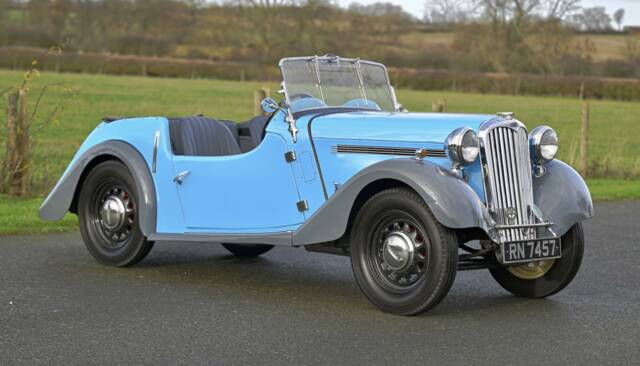

Singer Nine listing references from Classic Trader
Below you will find listings related to your search that are no longer available on Classic Trader. Use this information to gain insight into availability, value trends, and current pricing for a "Singer Nine" to make a more informed purchasing decision.
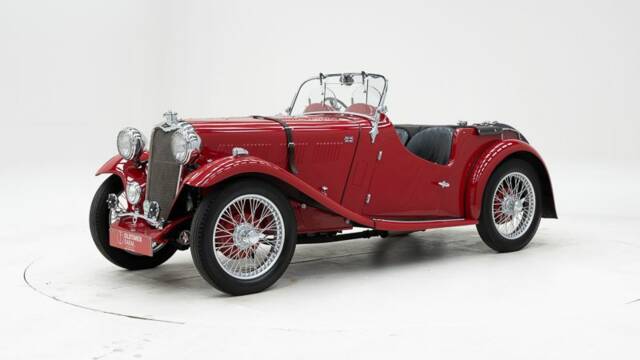
1935 | Singer 9 Le Mans
1935 Singer Nine Le Mans '35

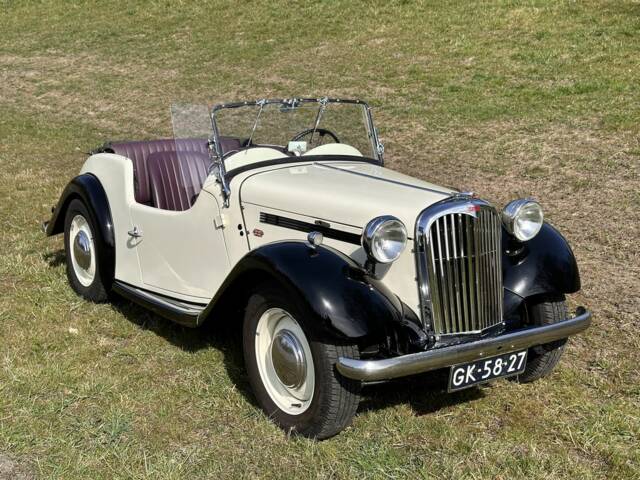
1955 | Singer SM Roadster
Singer 4AD Roadster | 1955 | Route 66 Auctions - For sale by auction. Estimate 16500 EUR
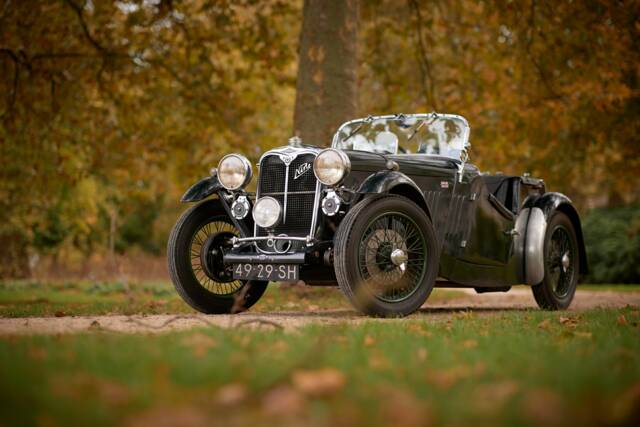
1933 | Singer 9 Sports
Nine ' Le Mans'
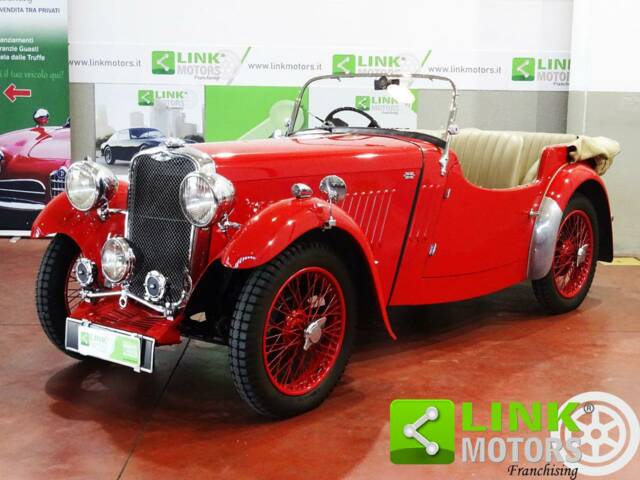
1933 | Singer 9 Sports
SINGER NINE SPORT FOUR SEATER 9

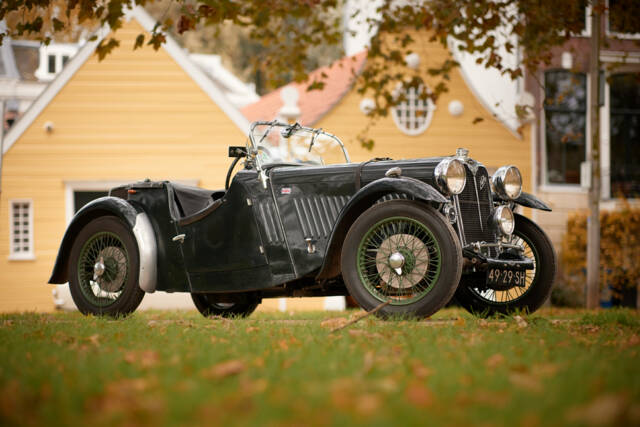
1933 | Singer 9 Le Mans
Singer Le Mans Two-Seater
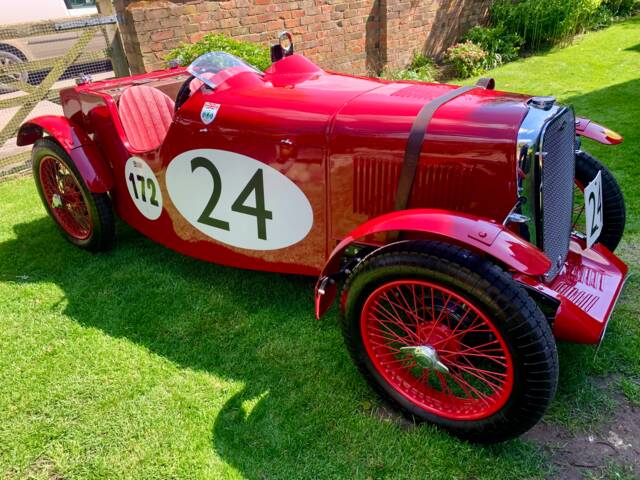
1933 | Singer 9 Sports
A recreation of a Singer 'Brooklands' team car
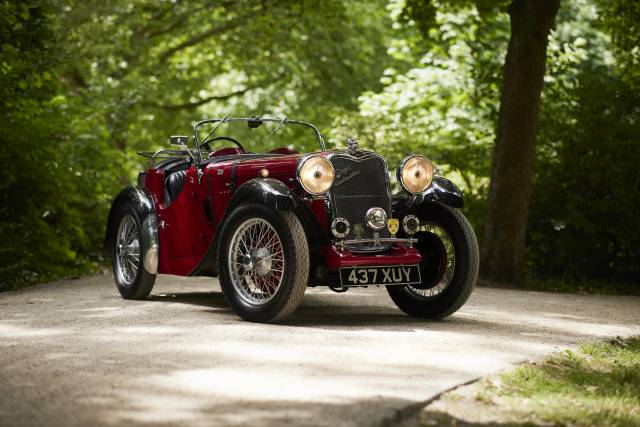
1934 | Singer 9 Le Mans
Le Mans 1.5 Litre 6 cylinder
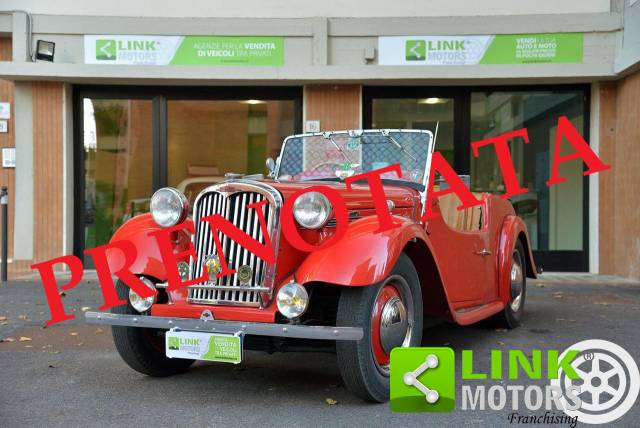
1951 | Singer 4AB Roadster
SINGER 4AB Roadster RESTAURATA GUIDA DESTRA
Singer Nine Classic Cars: Prices & Market Values
History of the Singer Nine
Singer launched the Nine in February 1933, replacing the earlier Junior series. Briefly, the Nine engine appeared inside the older Junior body—these 'Junior Nines' are recognisable by their unique cursive badge. The model quickly established Singer as a key competitor to MG, especially in the realm of affordable, agile two-seater British sports cars. Singer’s strong participation in events like Le Mans cemented its motorsport credentials. The model series survived the interruption of World War II, with production resuming as the Nine Roadster from 1939 through to 1955, adapting to postwar needs while keeping its unmistakable open-road ethos.
Model History and Variants
The Nine range evolved through several phases. Early models ('9A') gave way to 4A, 4AB, 4AC, and 4AD variants. Its predecessor was the Singer Junior, while successors within the Singer range included updated Roadster and 1.5 Litre models. The Le Mans edition (1935-36) epitomised Singer’s competition spirit, echoing success at the 24 Hours of Le Mans and sporting distinctive technical upgrades. After a three-year production gap, the post-war Nine Roadster (starting 1939) featured several technical and design modifications, with continuous improvement in running gear, bodywork, and comfort.
Highlights of the Singer Nine Model Series
Among the defining features of the Singer Nine are its 972 cc overhead-cam four-cylinder engine, lightweight sports chassis, manual gearbox with either 3, 4, or 5 gears, and rear-wheel drive. The Le Mans edition featured an alloy sump, uprated camshaft, twin SU carburettors, and a 28 kW output at 5,000 rpm. Twin spare wheels and an enlarged 55-litre external fuel tank were designed with endurance and rally competition in mind. Hydraulic Lockheed brakes set the Singer apart from many period competitors. Interior touches—such as a simple but functional dashboard and robust leather seating—reinforce the sports focus. The Singer Nine’s popularity is evident: 74.4% of listed Singer models on the market are Nines, and the demand figures are even higher, with Nines accounting for 81.6% of Singer listing views.
Technical Data
Special Editions and Collectible Models
The Singer Nine Le Mans, produced from 1935–36, remains notable for its competition-spec upgrades, including an enlarged alloy sump, high-lift camshaft, and visually distinctive twin spare wheels suited to endurance racing events. Another collectible is the 1.5 Litre Le Mans, sharing much of its chassis with the Nine but equipped with a more powerful six-cylinder engine and triple carburettors. Extremely rare bodywork by coachbuilders such as James Young or Lemaitre adds collectibility, as do original rally-equipped cars that competed in events like the RAC Rally, Le Mans, and Monte Carlo.
Engine and Performance, Transmission and Handling
With its relatively high-revving 972 cc engine, the Singer Nine delivers a responsive driving experience characterised by predictable handling and well-balanced road manners. The Le Mans variant tops out at about 116.9 km/h, with lower-powered versions achieving only slightly less. Contemporary road tests praised the Nine’s agility and ability in long-distance competitions. Suspension and chassis set-up favour stability and cornering grip, supported by effective Lockheed hydraulic brakes. Gearboxes vary, with close-ratio variants amplifying the sporting nature, especially on twisty or undulating routes. - Singer Nine Le Mans (1935–36): 34 hp, twin SU carburettors, increased cooling, enlarged fuel tank, endurance event credentials.
- Singer Nine Sports: Early, lightweight, focused on agility rather than outright power.
- Nine Roadster (1939–55): Broadly available, two or four seats, mix of practicality and sports performance.
- 1.5 Litre Le Mans: 1,493 cc six-cylinder engine, triple carburettors, 35 kW output, built in small numbers—especially prized for rarity and performance.
Interior, Comfort, Exterior and Design
The Singer Nine stands out with its streamlined yet purposeful bodywork, often crafted by bespoke coachbuilders or finished with unique features per customer specification. Many examples feature a foldable windscreen for improved aerodynamics and competitive spirit. Interiors prioritise function over luxury—robust leather seats, clear analogue gauges, and a simple wooden dashboard are standard. The Roadster’s flowing lines, open body, and side-mounted twin spare wheels remain visually striking. Colour schemes include blue, beige, and black leather interiors. Optional accessories such as auxiliary fuel pumps and extra fans have often been fitted to improve usability and reliability, especially in historical motorsport.
Other noteworthy details
Many Singer Nine cars today remain eligible for prestigious historic events including the Le Mans Classic and Flying Scotsman rallies. The cars were renowned in their era for rally and trial successes in events like the Brooklands and RAC Tourist Trophy. Later Nines, particularly the 4AB and 4AD, were built on Singer Bantam underpinnings but offered as pure sports models with unique designs.
Summary
The Singer Nine encapsulates the charm, technical innovation, and competitive pedigree of British sports cars from the 1930s and 1940s. Its light weight, sharp handling, and bespoke design details make it a distinct choice in the classic car market, supported by strong interest among enthusiasts and collectors. With high supply and exceptional demand on the market today, the broad Nine model family—particularly the Le Mans and Roadster variants—continues to offer rewarding ownership for those seeking historic motorsport flavour with authentic period engineering.